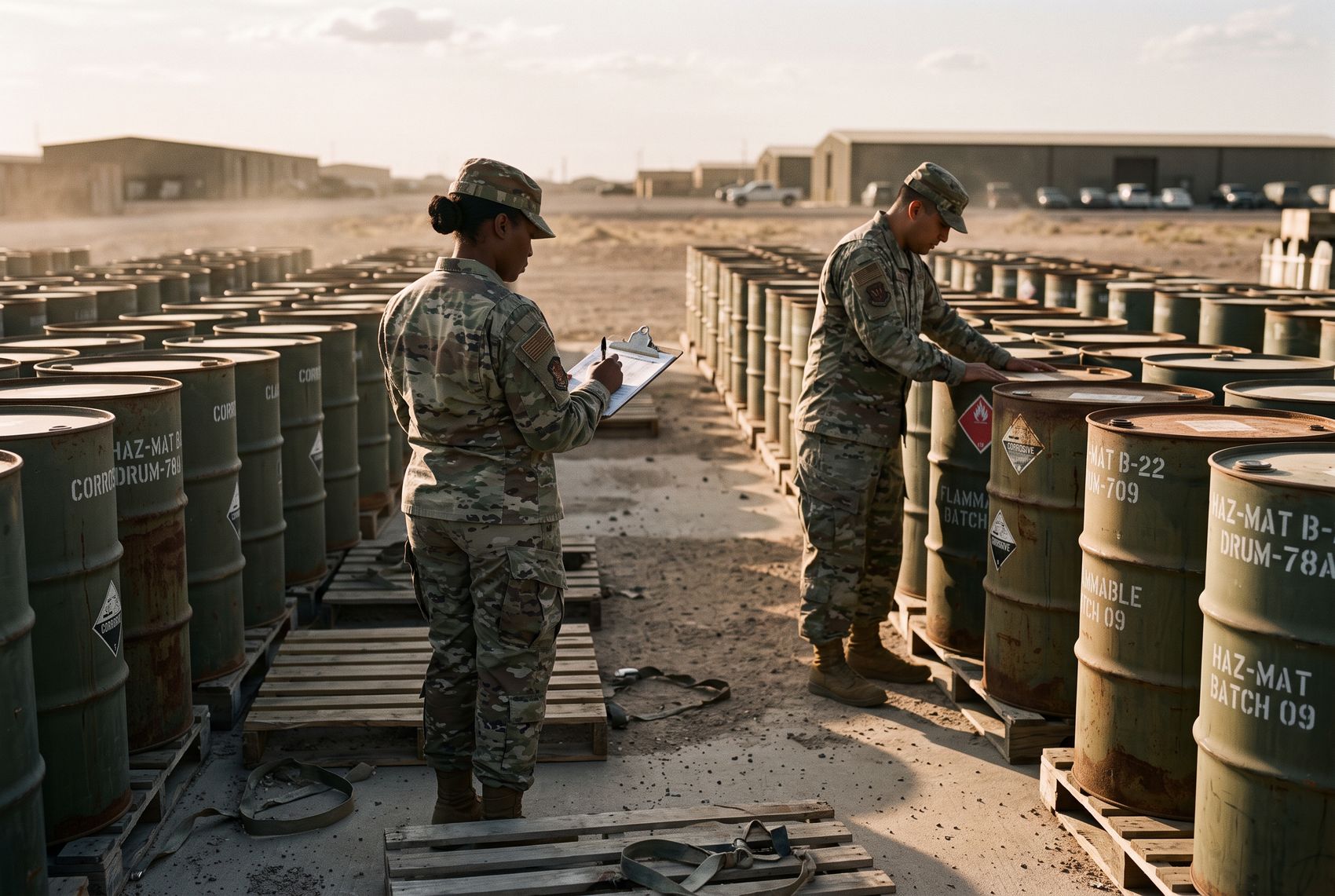
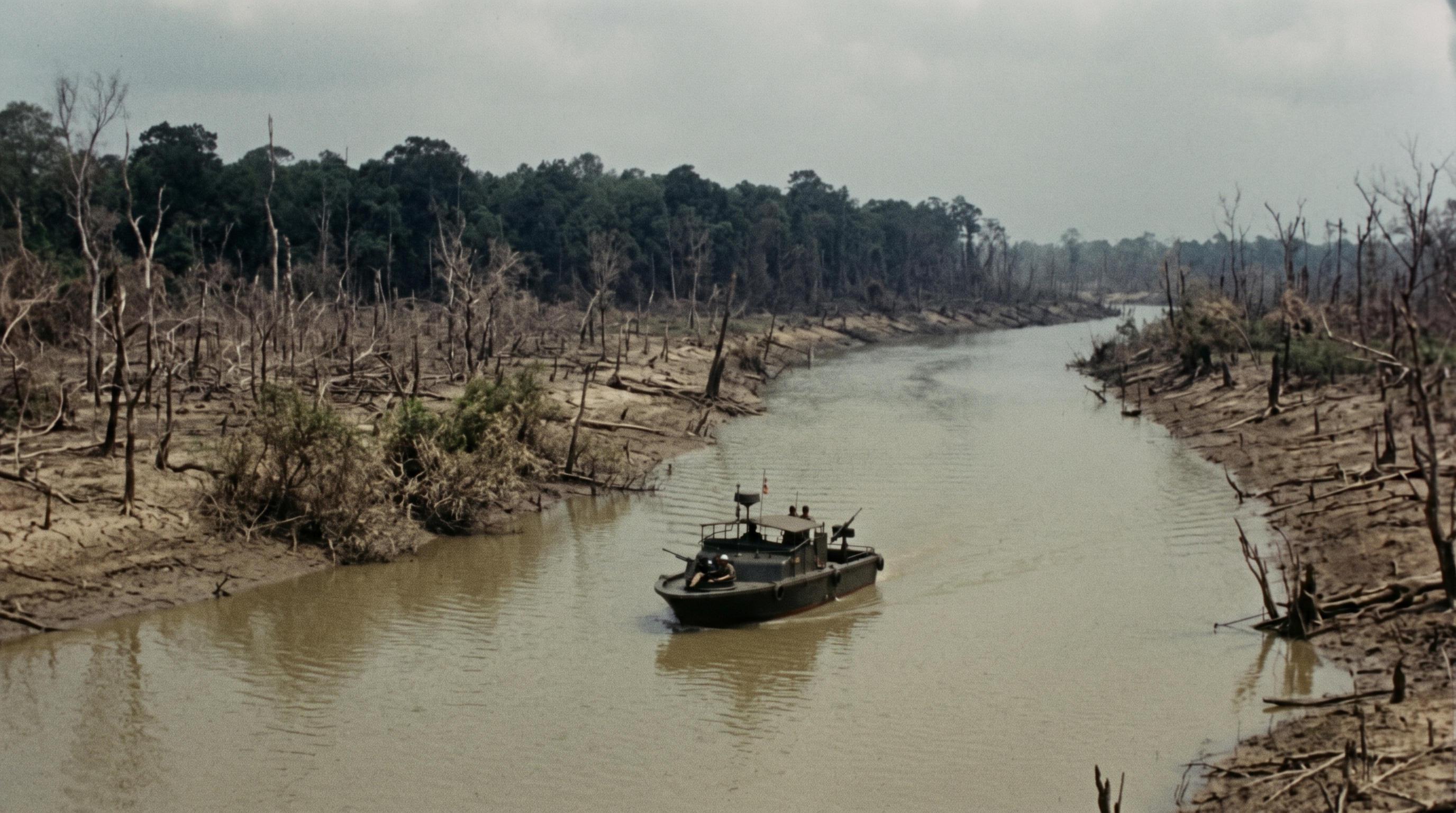
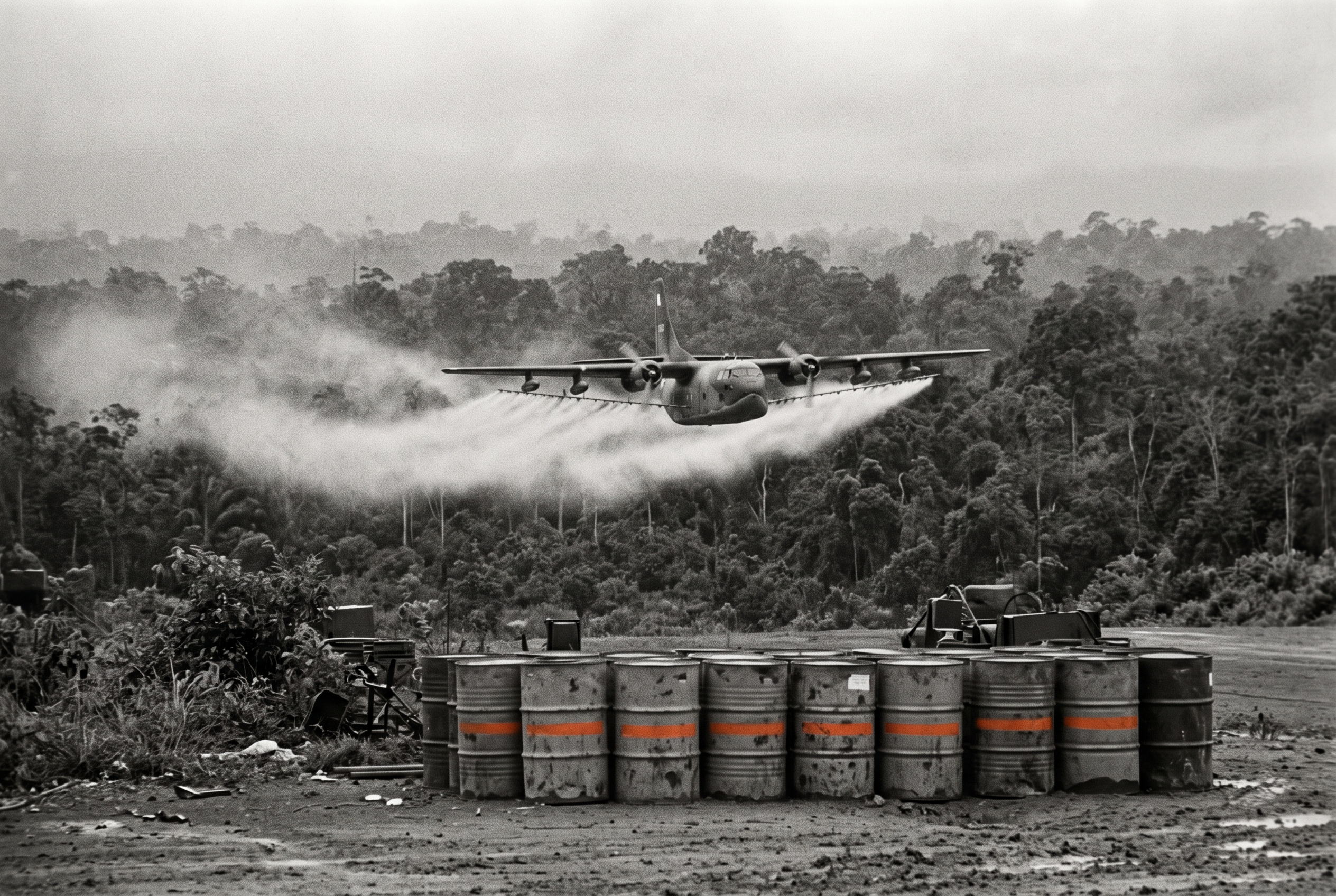
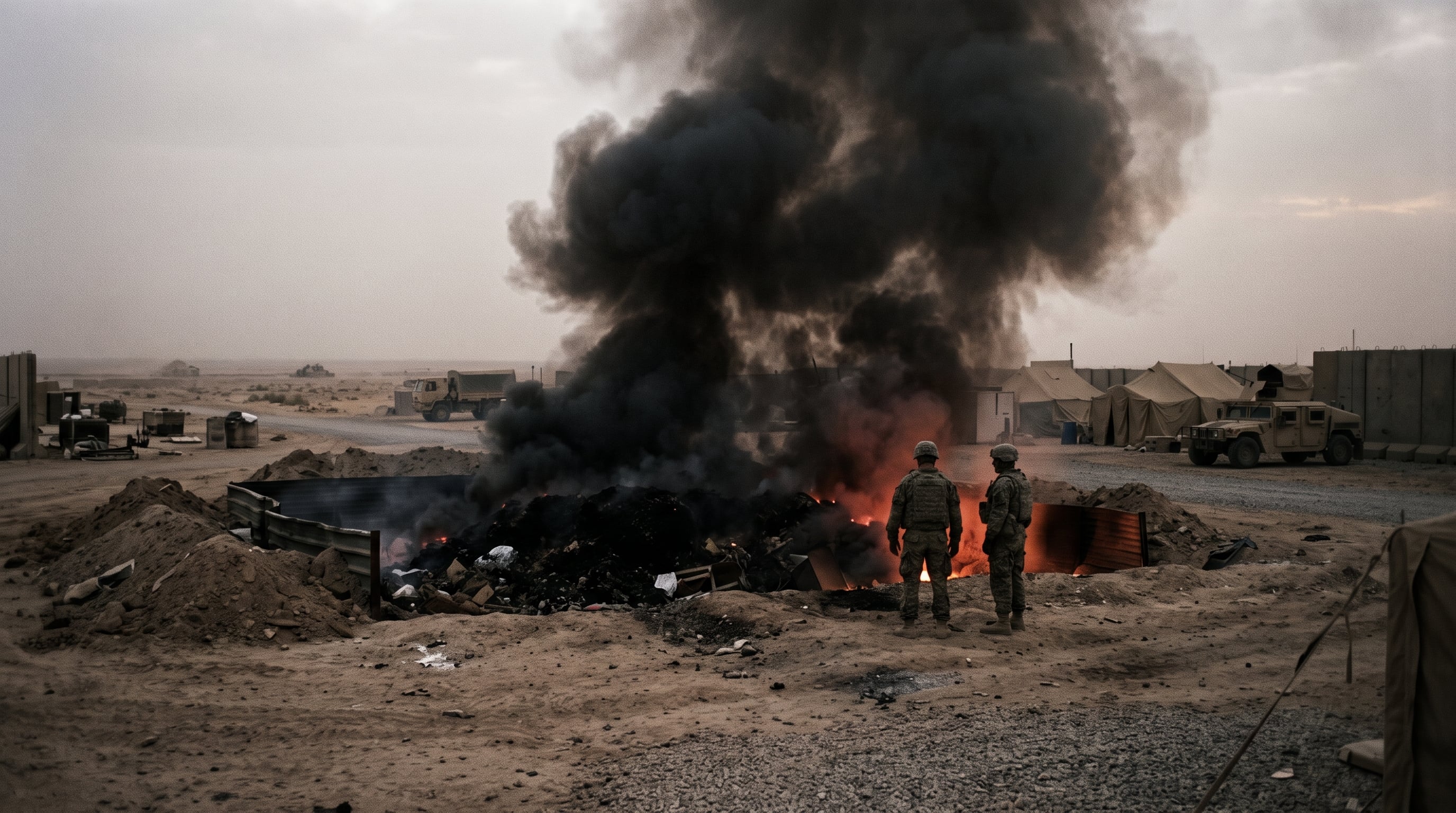
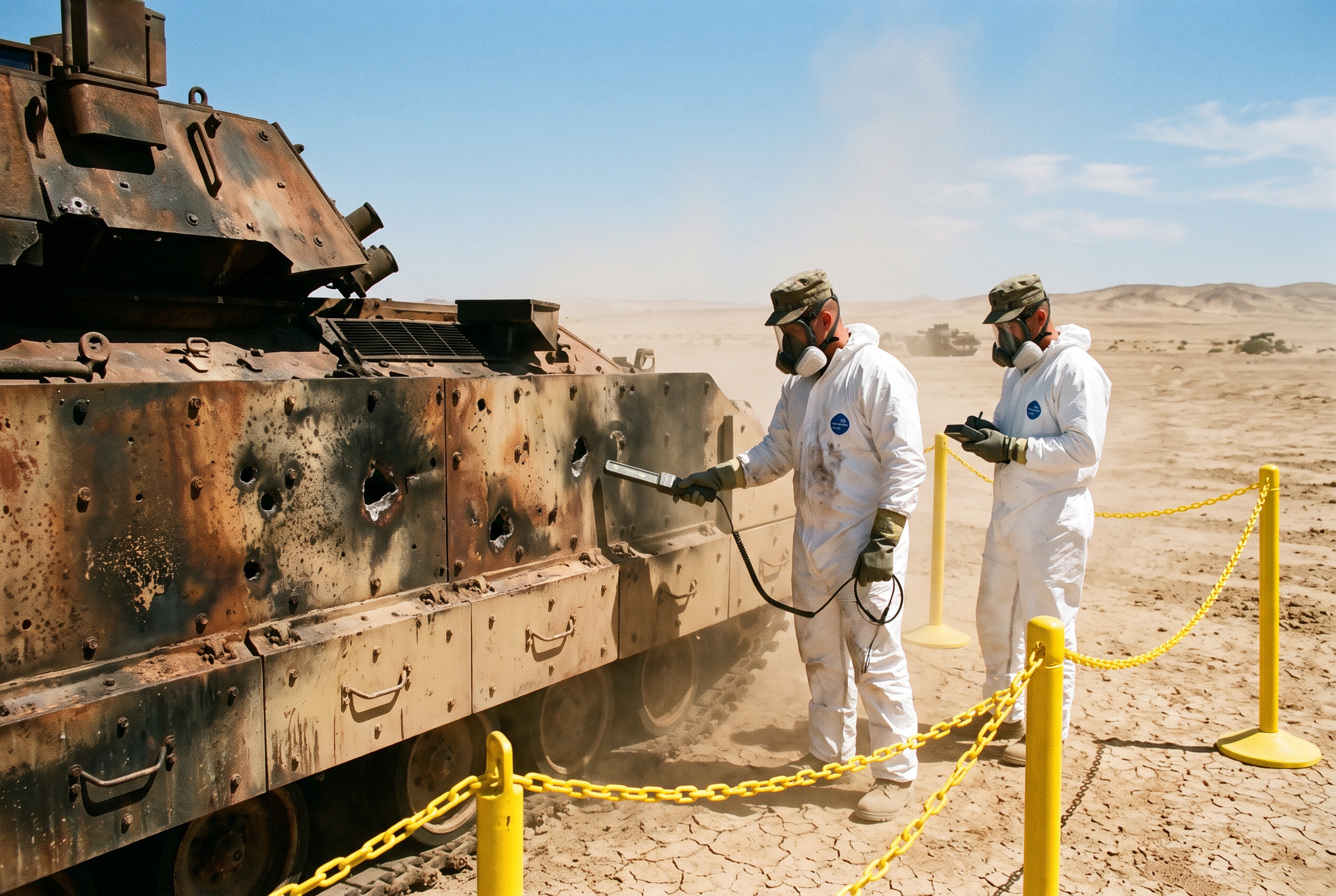
Every toxic exposure, and the exact route to a decision.
Fourteen exposure files. Each one explains what the agent is, where and when the military used it, whether a presumption exists, how you qualify without one, and the forms to file in order.
Read this first
There are three ways a toxic exposure claim gets granted
Almost every veteran who gets turned away is turned away on the first one. They are told their exposure is not on a presumptive list, and they hear that as a verdict. It is not. A presumption is a shortcut that removes the burden of proving the link. When no shortcut exists, the claim is still available — it just has to be built. Knowing which route your case is on is the difference between a filing that goes somewhere and one that goes nowhere.
Each file below tells you plainly which route applies, because guessing wrong costs months. Presumptive cases are decided on service records. Facts-found cases are decided on the strength of a medical opinion. Those are two completely different pieces of work, and preparing the wrong one is the single most common reason a truthful claim comes back denied.
Presumptive service connection
VA concedes the link. You show the service and the diagnosis, and the connection is presumed by regulation. Agent Orange, PACT Act burn pits, Camp Lejeune, radiation-risk activity, and mustard gas all have one.
Facts-found service connection
No presumption exists, so you prove it: a current diagnosis, documented in-service exposure, and a medical opinion that the two are connected at least as likely as not. Most exposures live here — and most of them are winnable.
Secondary service connection
A condition caused or worsened by an already service-connected condition is rated separately under 38 CFR 3.310. This is where the largest amount of unclaimed rating percentage sits in exposure cases.
Two different things — never combine them
A presumption and a TERA determination are not the same thing
These two get mixed together constantly — by veterans, by service officers, and sometimes in the decision letter itself. They are separate mechanisms that answer separate questions. One asks where and when you served. The other asks what you did while you were there. Treating either one as a substitute for the other is how a winnable claim gets prepared the wrong way and comes back denied.
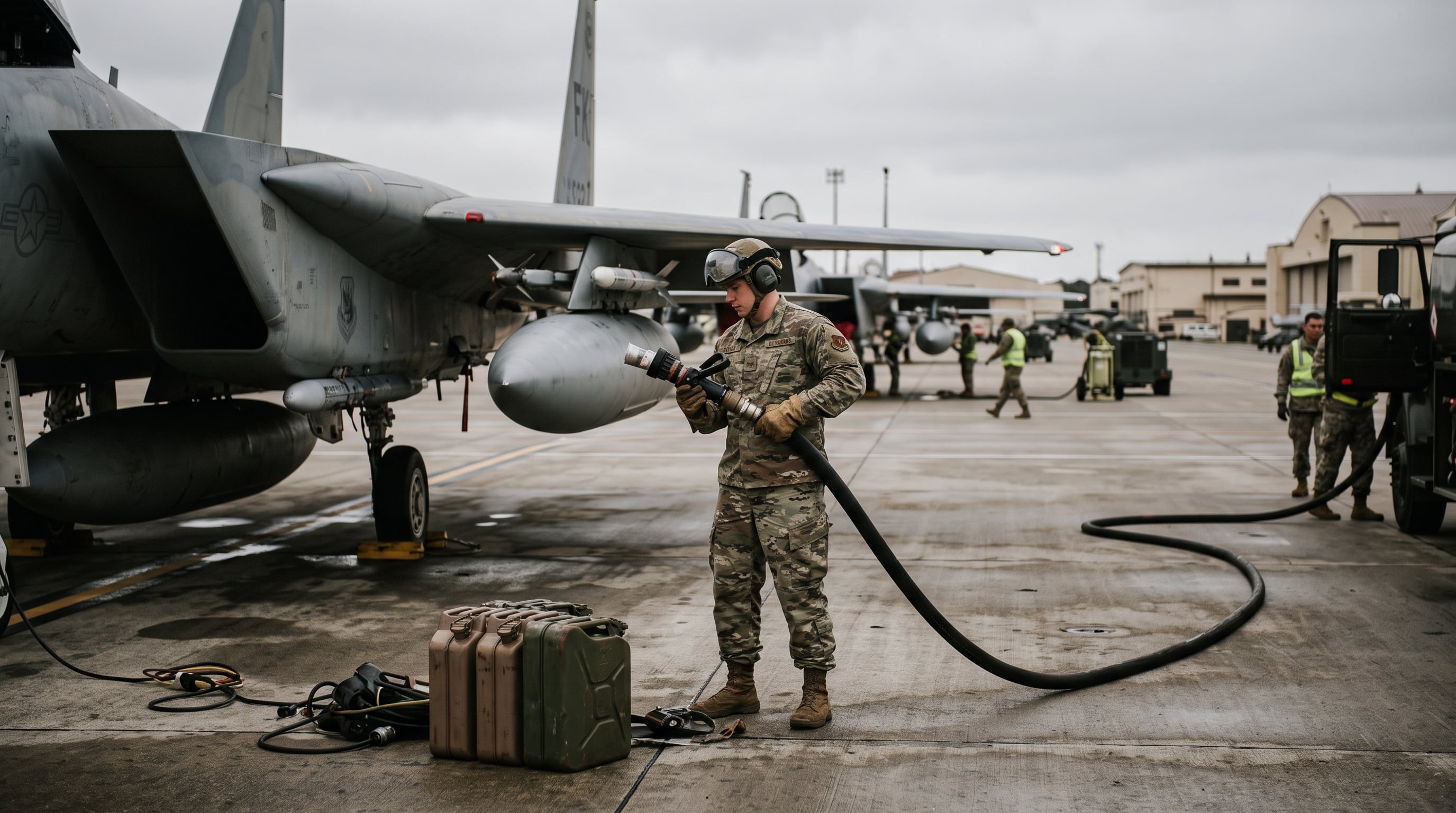
Here is the fastest way to tell which lane you are standing in. A presumption almost always comes out of a deployment or an assignment to a place that has already been named — Vietnam, the Gulf, the Korean DMZ, the burn-pit countries, Camp Lejeune. Congress or VA drew a box around a region and a set of dates, and if your service falls inside that box and your diagnosis is on the list attached to it, you are in the presumptive lane and the law does the connecting for you. TERA is for everything else. If your exposure did not come from being sent to one of those named locations — if it came from the aircraft you turned wrenches on, the fuel you pumped, the foam you sprayed, the paint and solvent you stripped with, the engine room you stood watch in, the stateside installation where the work itself was the hazard — then no list is ever going to carry your claim. That is a TERA case, and it is proved with your duties.
Read both columns before you decide what to gather. If you are in the presumptive lane, the work is proving your service facts — orders, dates, locations. If you are in the TERA lane, the work is documenting what you actually did and then getting a medical opinion that ties it to the diagnosis. Those are two entirely different piles of paper, and preparing the wrong one costs months. And plenty of veterans are standing in both lanes at the same time — one condition that qualifies off a deployment, another that only ever gets connected through the work.
Set by law — where and when you served
A presumption
A presumption is written into statute and regulation. It has three moving parts and all three have to line up: a specific place, a specific date range, and a diagnosis that appears on the list attached to that place. When they do, VA presumes the exposure and presumes the connection — you never have to produce a medical opinion tying the disease to the service.
It is decided on service records, not on medical evidence.
Miss the location or the date window by anything at all and the presumption simply does not apply.
The condition list is closed — a diagnosis that is not on it is not presumptive, however strong the science behind it.
If you do qualify, it is the fastest route to a decision that exists.
Based on what you actually did
A TERA determination
TERA stands for Toxic Exposure Risk Activity. It is VA’s finding that your service involved an activity that put you at risk of a hazard, and it comes out of your duties, your assignments, and the work you actually performed — not out of a list of places and dates. It is not a presumption, and on its own it does not grant service connection.
What it does: it puts the exposure into the record, and under 38 U.S.C. § 1168 it generally obligates VA to obtain an exam and a medical opinion when there is a current disability and the file is otherwise short of proof.
What it does not do: it does not concede the medical link. VA can find TERA and still deny the claim for “no nexus.”
It is also used on the health care side, to establish eligibility to enroll and to get the toxic exposure screening.
It is frequently missing from the file, or built off your primary job code alone — which misses the duties that actually exposed you.
Keep them apart — four rules that decide claims
No presumption does not mean no claim. It means your claim is facts-found, and the link gets built with evidence instead of handed to you by regulation.
A TERA finding is not a presumption. It never removes the need for a nexus opinion — it is what forces VA to go get one.
You can be in both lanes at once. Presumptive on one condition and facts-found on another, inside the same application.
Serving somewhere with a documented hazard is not the same as qualifying for a presumption. The presumption needs the exact place, the exact dates, and a listed condition — all three.
Exposure files
Find what you were exposed to
Every file covers the same ground in the same order: the agent, where and when it was used, who was standing there, how you qualify, the condition lists that actually apply, the evidence to gather, the examiner shortcuts to expect, and the forms to file.
One exposure rarely stands alone. A fuel handler on a burn pit base breathed both, and each one is a separate argument. Read every file that touches your service, not only the one you have heard of. General information, not legal or medical advice.
The whole library on one screen
Every hazard, the chemicals in it, and the lists it reaches
Fourteen files is a lot of reading when all you want to know is whether your exposure has a door in it. This is the index: the named chemical agents VA associates with each hazard, and the condition lists that actually govern it, with the number of conditions on each list. Two things to watch. A health-care list is not a compensation list — Camp Lejeune has both, and they are different lengths. And a red row is not a lost cause; it means the exposure is proven on the facts of your service instead of by regulation.
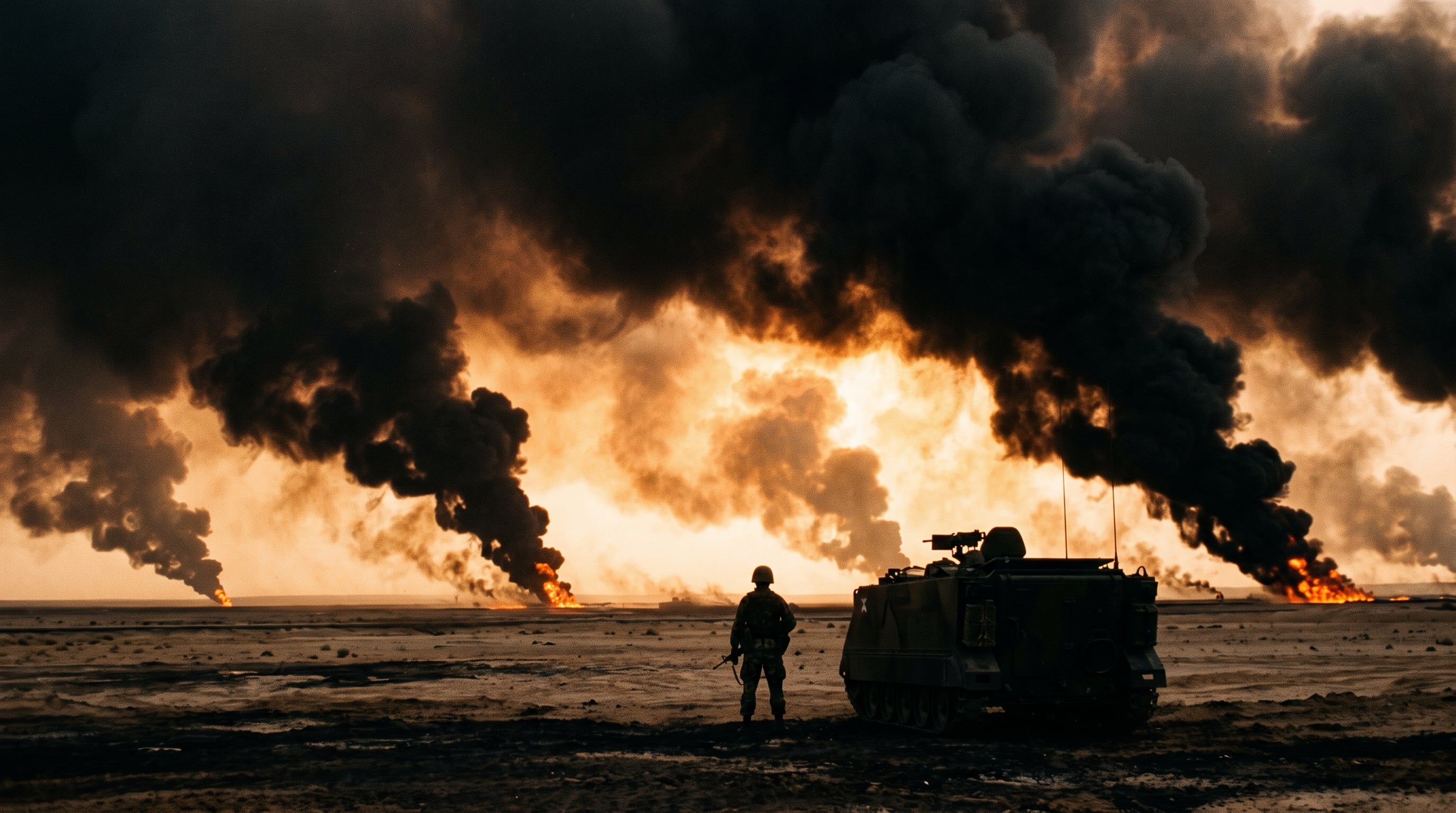
Oil well fire smokeSarin and cyclosarin (Khamisiyah plume)Pyridostigmine bromide (PB pills)Organophosphate pesticidesDEET and permethrinDepleted uraniumFine desert particulate
Qualifying chronic disabilities under 38 CFR 3.31712
Presumptive infectious diseases for Southwest Asia service9
Mustard gas (sulfur mustard)LewisiteSarin and VX nerve agentsBZ (3-quinuclidinyl benzilate)LSD and psychoactive compoundsBiological simulants and live agentsRiot control agents
Presumptive conditions under 38 CFR § 3.316 — mustard gas and Lewisite14
Conditions reported among Edgewood and Project 112 or SHAD participants8
Depleted uranium metalUranium oxide aerosolEmbedded DU fragmentsHeavy metal particulate
Health concerns associated with depleted uranium exposure8
The number beside each list is how many conditions are on it, not how many you can claim. Match your exact diagnosis to the exact entry — “lung problems” is not on any list, and a rater will not translate for you. Every list in full, with the regulation behind it, is inside the file.
Straight from the VA
The VA on Agent Orange, burn pits and the registries
Four official VA videos covering what the herbicide was, which illnesses the agency connects to it, and what a registry exam is actually for. A registry exam is not a claim — watch that one twice.
What is Agent Orange? | How is Agent Orange Toxic? | Department of Veterans Affairs | theSITREP
What the herbicide was and why the VA treats exposure to it as a health risk.
Source: U.S. Department of Veterans Affairs
Illnesses Caused by and Connected to Agent Orange | Department of Veterans Affairs | theSITREP
The conditions the VA connects to Agent Orange, in the VA’s own words.
Source: U.S. Department of Veterans Affairs
The PACT ACT – Updated Airborne Hazards and Open Burn Pit Registry | #TheBLUF #veterans
The VA explains the updated Airborne Hazards and Open Burn Pit Registry.
Source: U.S. Department of Veterans Affairs
Agent Orange Registries and Why They Matter | Department of Veterans Affairs | theSITREP
What a registry exam is for, and why it is not the same thing as a claim.
Source: U.S. Department of Veterans Affairs
These videos are published by the U.S. Department of Veterans Affairs and are embedded here unedited. They are the agency’s own explanation of its rules, not ours, and they are not legal or medical advice. If what the VA said on camera does not match what your decision letter says, that gap is worth a conversation.
Why representation changes the odds
Register with us and let an accredited agent build the exposure record
You do not have to work out which route your case is on, which records prove the exposure, or how to word a nexus request. That is the job. Tell us what you were exposed to and we will tell you honestly whether we can help.
We identify every exposure in your service history, not just the one you came in asking about — most veterans have more than one and claim only one.
We separate the presumptive route from the facts-found route before anything is filed, so the evidence being gathered is the evidence that actually decides the case.
We read the exam request before you are examined and object when the question posed to the examiner can only produce a denial.
We claim the secondary conditions in the first filing instead of leaving rating percentage behind for a supplemental claim years later.
VA-Accredited Claims Agent #45147
Albert Thombs
An accredited agent personally reviews every request — we’ll reach out within 48 hours.
Registering opens the secure sign-up form of the advocate who is next to take a new file, in a new tab. If you would rather have someone look at your situation before you decide anything, ask for the free case review instead.
Office hours: Mon–Fri, 11am–6pm Pacific
Both options are free · No obligation
Two ways to work with us — both free
Talking to a VA-accredited claims agent costs nothing either way. Pick the one that fits: get answers to your questions, or register to hire us to take on your claim.
Free information — just ask
You can ask Albert, our AI claims assistant, anything about exposure, evidence, or the claims process — he answers instantly. If you would rather have a direct, personal answer, send your question below and an accredited agent will come back to you. No cost, no obligation.
Or send your question
Ready to hire us? Register with us
For veterans who have decided they want us on their claim. Registering is free too, and it takes the registration form plus a signed VA Form 21-22a.
Until VA Form 21-22a is signed we cannot accept your claim, access your VA file, or do any work on your behalf. That is federal law, not firm policy.
What happens after you register
You register. This simply starts the conversation — you are not our client yet, and you owe us nothing.
You sign and return VA Form 21-22a. It appoints us as your accredited representative and gives us access to your VA file.
Once we have your signed 21-22a and access to your case, we verify everything is in order.
We review your case in full and conduct your interview with an accredited agent.
Only then do YOU decide whether to move forward with us. If you choose not to, we will not proceed on your behalf — no pressure, no obligation.