

You breathed it, drank it, wore it.
Now prove it.
Burn pits. Agent Orange. Contaminated water. Radiation. Solvents. Build the chain from your unit, every location, and every job actually performed—to the hazard, the diagnosis, the science, and the correct legal path. The exposure did not stop with you—it can reach your family and survivors too.
Real accreditation. No claim sharks.
Albert Thombs · VA-accredited claims agent #45147 · 20+ years · Team of 10 advocates
Start here
Map your exposure in about a minute
Era points you to the right evidence shelf. Location and the jobs you actually performed build the individual pathway. Answer three quick prompts to see where to look next—then take it to the evidence.
60-second starting point
Quick exposure screener
Choose what fits—more than one location and job may matter.
This estimates possible research paths. It is not the ILER, does not access VA records, and does not establish exposure or nexus.
Free flagship tool
Know your combined rating before VA tells you
VA does not add your ratings together—it uses “whole-person” math, and a wrong combination can quietly cost you a rating level. Enter your conditions and dependents to see your estimated combined rating and monthly payment on verified 2026 VA rates.
- Real 38 CFR §4.25 math plus the §4.26 bilateral factor
- Monthly estimate on verified 2026 VA rates
- Free, private, and never touches VA records
Worked example
Added up, that looks like 90%. Under VA whole-person math it combines to…
Combined rating
70%
A 20-point difference that changes your check.
Start with service context
Every era carried a different exposure landscape
Era gets you to the right evidence shelf. Unit, location, duty, route, frequency, and combined exposures build the individual pathway—and each era reached the veteran’s family in its own way.
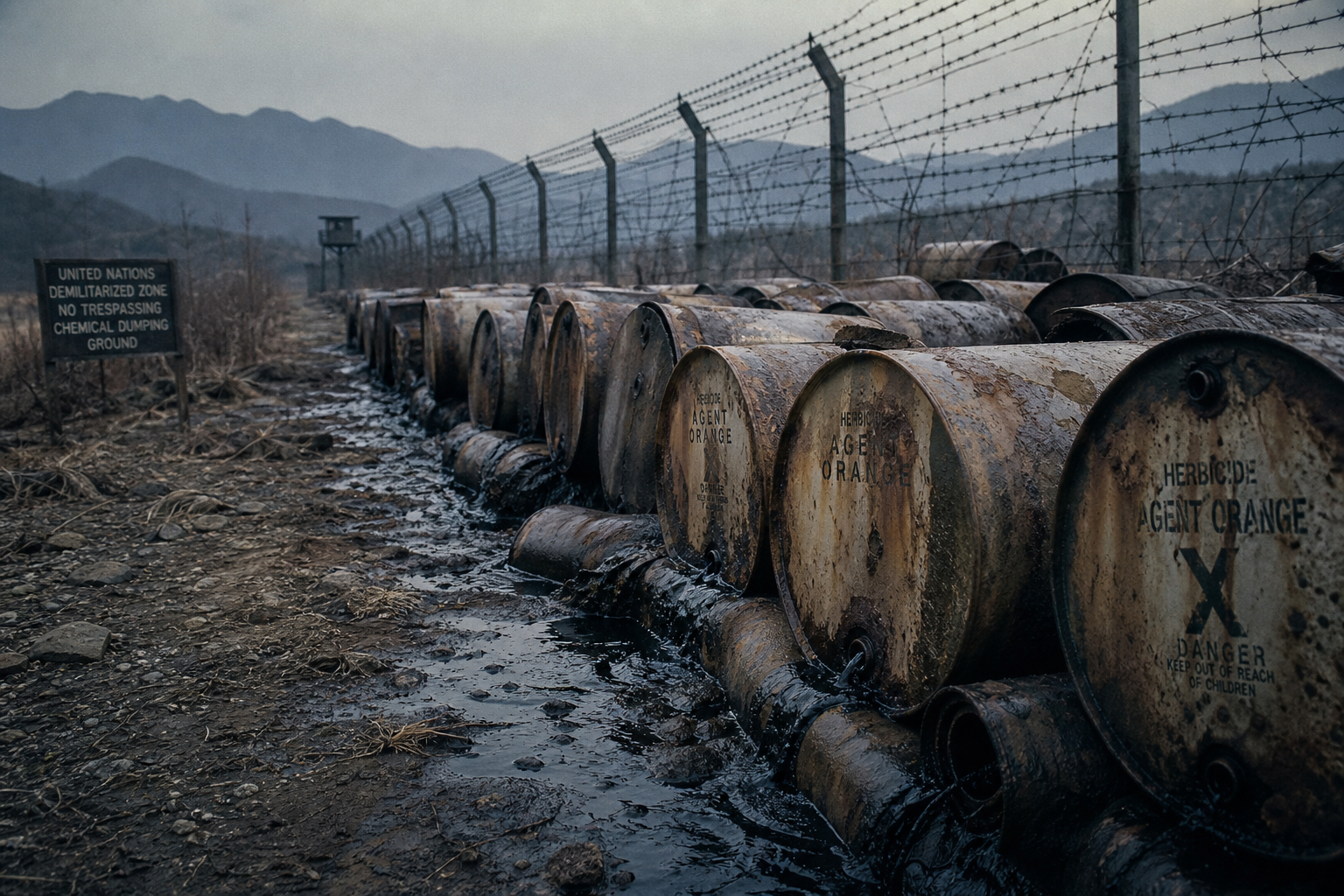 1950s–1970s
Korean War & DMZ Exposures
Korea claims can involve tactical herbicides near the DMZ, radiation, fuels, pesticides, asbestos, and industrial chemicals. Qualifying DMZ service has a defined presumptive window; service outside it may still support direct, facts-found exposure.
 1962–1975 and expanded locations
Vietnam War Exposures
Vietnam-era analysis includes Agent Orange and other tactical herbicides, the TCDD dioxin contaminant, shipboard asbestos, fuels, solvents, lead, coatings, and combustion products.
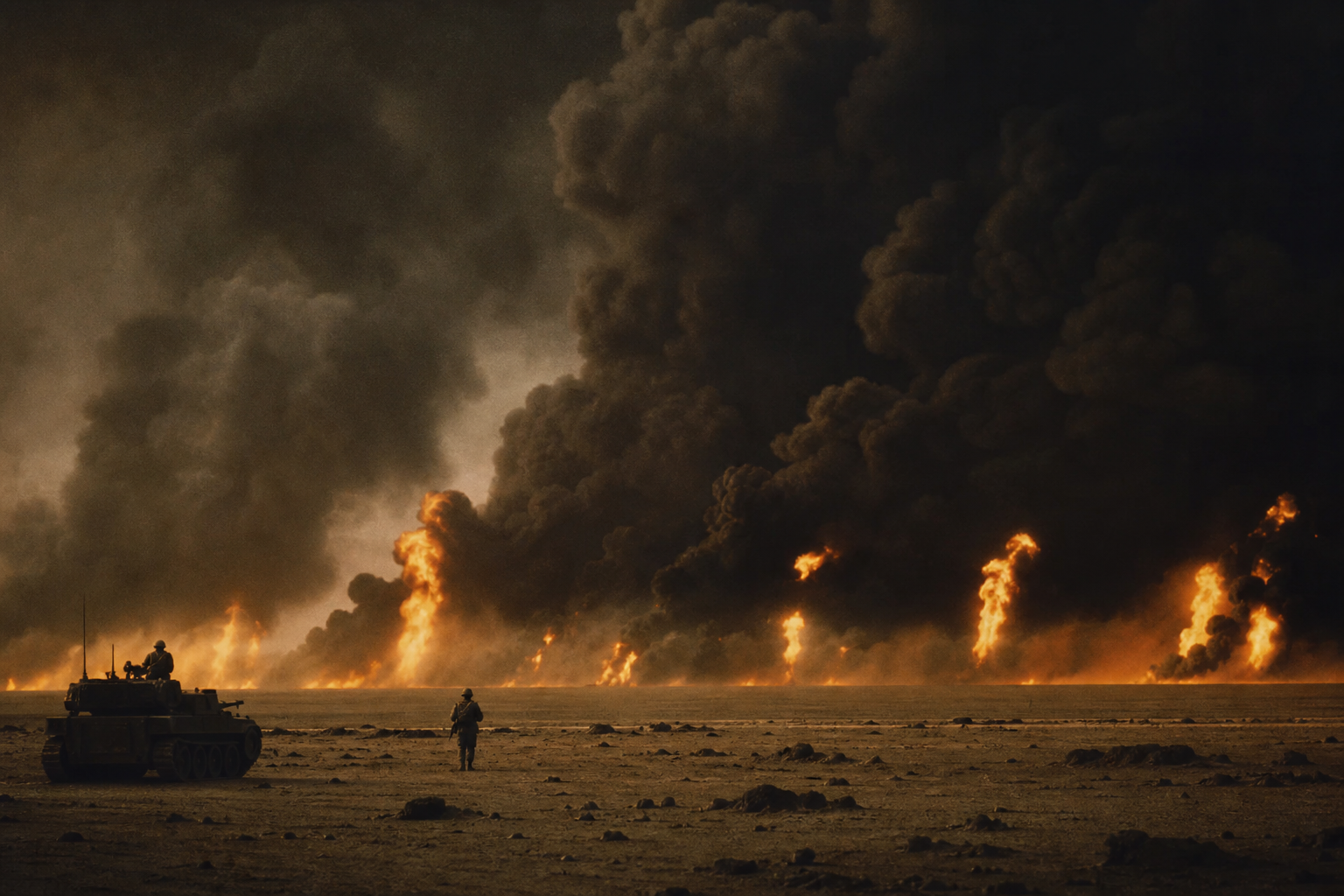 1990–1991 and Southwest Asia service
Gulf War Exposures
The Gulf War was a multi-exposure environment: more than 600 burning oil wells, pesticides, pyridostigmine bromide pills, Khamisiyah nerve-agent concerns, depleted uranium, sand, fuels, exhaust, vaccines, and environmental stressors.
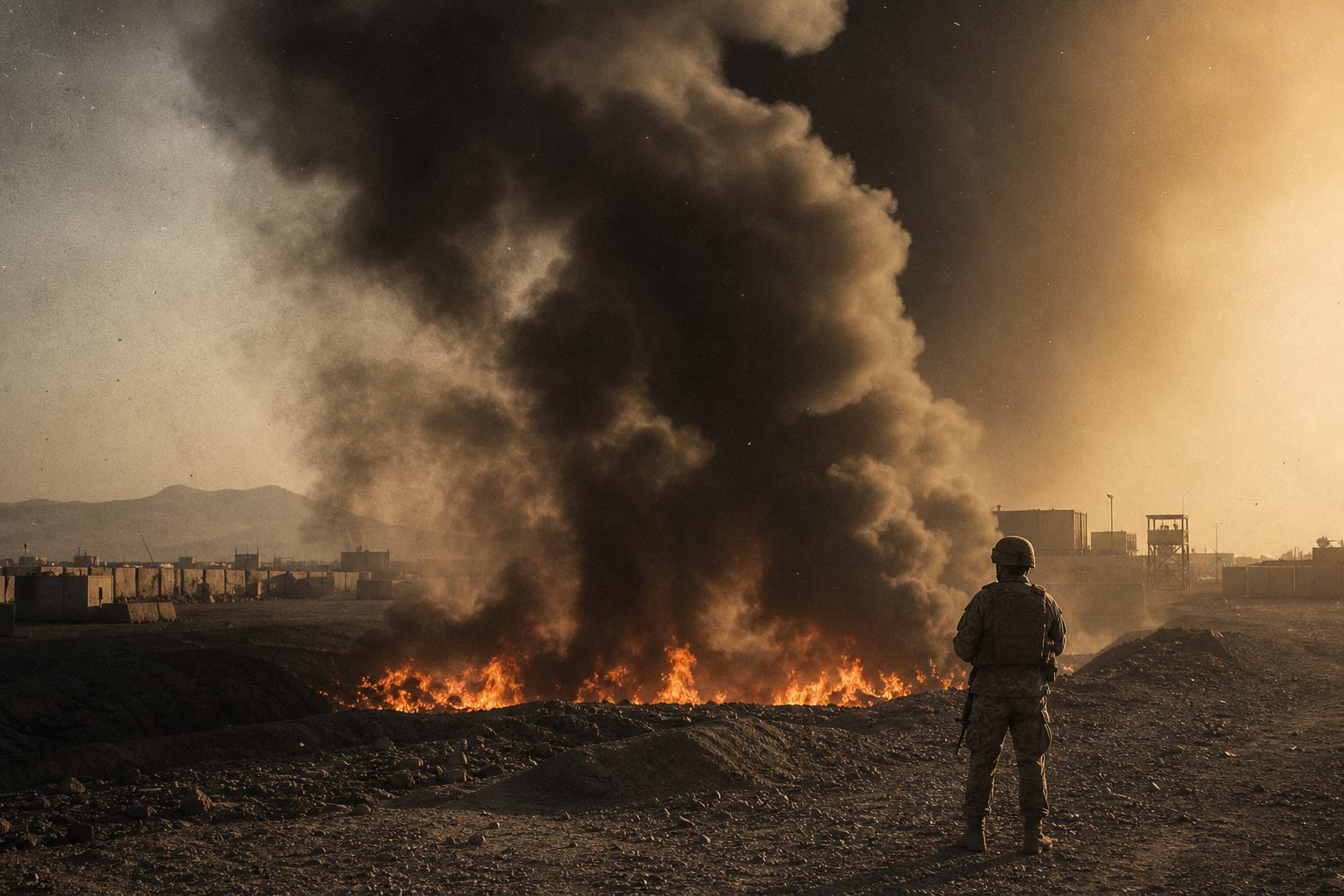 2001–present qualifying service
GWOT / Post-9/11 Exposures
Burn pits disposed of plastics, chemicals, paint, medical and human waste, and petroleum products—sometimes using JP-8. Veterans also encountered sand, dust, diesel exhaust, industrial pollution, sulfur-fire smoke, and task-specific hazards.
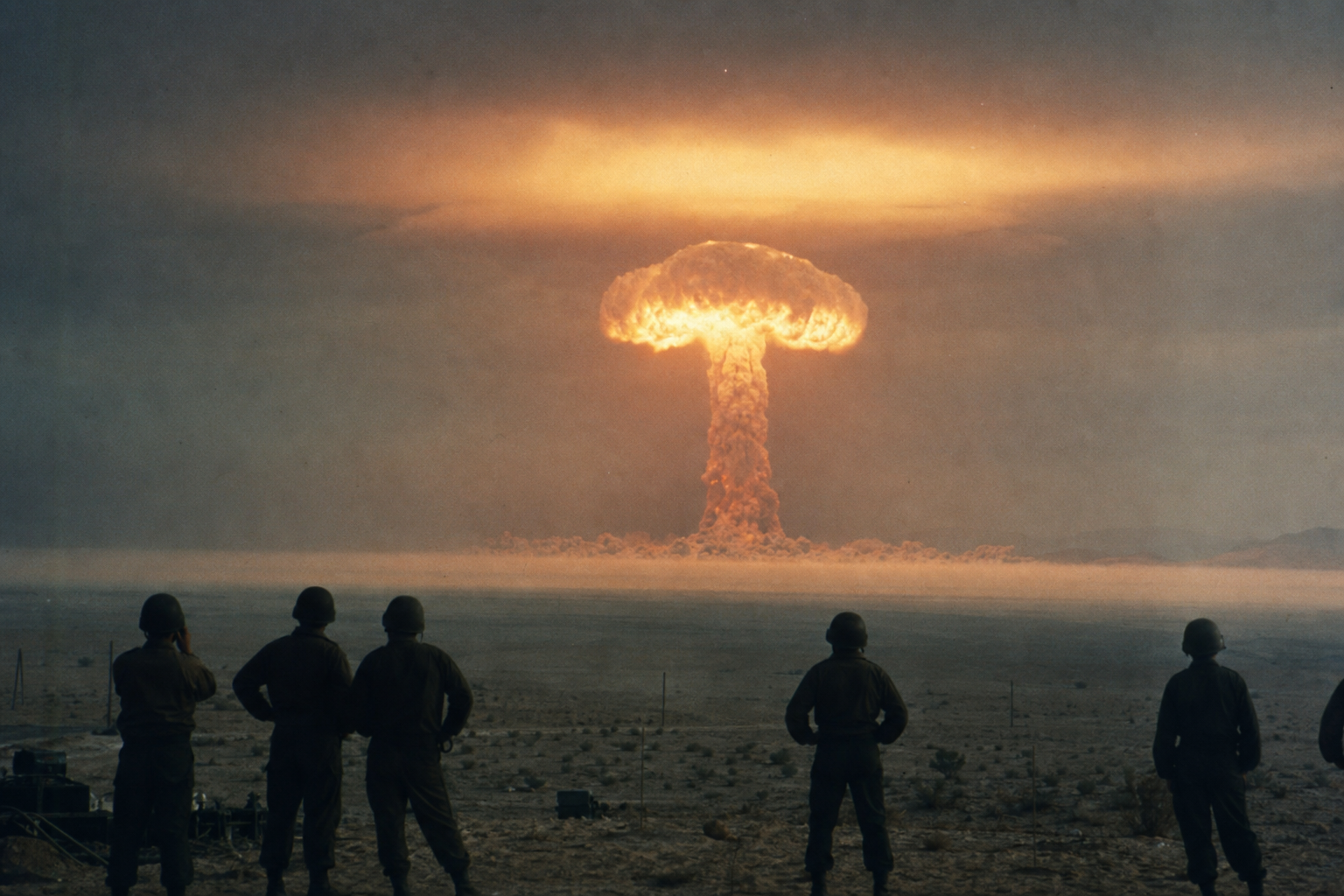 1945–1991
Cold War Exposures
Cold War claims can involve atmospheric nuclear testing, Enewetak cleanup, Palomares or Thule response, Project 112/SHAD, chemical-agent training, calibration sources, fuels, solvents, and contaminated installations.
Open the whole record
The rest of the evidence file is already built
Era is the shelf. These are the files sitting on it. Every one of them is written out in full here—the hazard, the duty, the installation, the law, the appointment and the paperwork—so you never have to leave this site to find the substance.
The hazard library
Fourteen hazards written out in full — what it is, where it was used, the diseases tied to it, and whether a presumption exists or you have to prove it on the facts.
Open the libraryWhat the job actually did
Twelve military jobs across every branch, Guard and Reserve, built around the duty you actually performed rather than the risk somebody assigned to the MOS code.
Find your jobThe installations
Twenty-three bases with a documented contamination record, filterable by hazard: burn pits, water, Superfund, fuel and solvents, chemicals, asbestos.
Search the basesTERA, ILER and the PACT Act
What each document is in plain words, what it can actually prove in a claim, and the part nobody tells you — the common VA errors that make it fail as evidence.
Read the explainerTalk to your doctor
The exposure inventory to fill in before the appointment, the words that have to reach the chart, and how to ask for the testing and the referral without losing the visit.
Prepare for the visitThe registries
Ten programs — six at VA and four outside it — how a registry evaluation actually runs, and why you go before you have a diagnosis instead of after.
See every registryThe four appeal lanes
Supplemental Claim, Higher-Level Review, the Board, and the fourth lane that is not a VA office at all, with the form, the deadline and the evidence rule for each.
Compare the lanesThe printable sheet
One page you hand across the desk with your service, your locations, your hazards and your dates already written down, so the appointment does not run out of time.
Build your sheetExposures that reached the family
The same service that exposed the veteran can open a door for a child, a spouse, or a survivor. These are separate programs with their own eligibility rules—several of them do not require the veteran’s own disability claim to be granted first, and several do not require the veteran to still be living. Families routinely go decades without being told any of this exists.
Here is what each program actually is, who it reaches, and the authority it sits on. Payment amounts change every December—confirm the current figure on VA.gov before you rely on it.

Children of herbicide-exposed veterans
Spina Bifida Monthly Allowance
Who: Biological children of Vietnam veterans — and of veterans who served in or near the Korean DMZ between September 1, 1967 and August 31, 1971 — who have spina bifida in any form except spina bifida occulta. The child must have been conceived after the veteran’s qualifying service began.
Provides: A tax-free monthly monetary allowance paid at one of three levels based on the child’s degree of disability, plus VA health care and vocational training and rehabilitation. The benefit belongs to the child and is paid directly for the child.

Children of women Vietnam veterans
Covered Birth Defects — Children of Women Veterans
Who: Biological children of women who served in the Republic of Vietnam during the recognized period, where the child has one or more covered birth defects that resulted in permanent physical or mental disability.
Provides: A tax-free monthly monetary allowance based on the level of disability, plus VA health care and vocational training. Spina bifida is handled under its own program; other covered defects fall here.

Families who lived at Camp Lejeune
Camp Lejeune Family Member Care
Who: Family members who lived at Marine Corps Base Camp Lejeune or MCAS New River for at least 30 days (consecutive or nonconsecutive) between August 1, 1953 and December 31, 1987 — including those exposed in utero.
Provides: Reimbursement of out-of-pocket health-care costs for 15 covered conditions, including bladder, breast, esophageal, kidney and lung cancer, leukemia, multiple myeloma, myelodysplastic syndromes, non-Hodgkin’s lymphoma, Parkinson’s disease, scleroderma, female infertility, miscarriage, hepatic steatosis, and renal toxicity.

Surviving spouses, children, and parents
Dependency & Indemnity Compensation (DIC)
Who: Surviving spouses, dependent children, and in some cases dependent parents of a service member who died in service or a veteran who died of a service-connected condition — or who was rated totally disabled for a set period before death.
Provides: A tax-free monthly payment. The base surviving-spouse rate is $1,699.36 per month effective December 1, 2025. Add-ons can apply: an 8-year provision (+$360.85), Aid and Attendance (+$421.00), Housebound (+$197.22), each child under 18 (+$421.00), and a 2-year transitional benefit (+$359.00). The SBP–DIC offset was fully eliminated as of January 1, 2023.

Low-income survivors of wartime veterans
Survivors Pension
Who: Needs-based benefit for eligible low-income surviving spouses and unmarried dependent children of deceased wartime veterans who meet service and income/net-worth limits.
Provides: A monthly payment that brings countable income up to a set limit, with higher maximums available for survivors who are housebound or who need aid and attendance.

Spouses and children
CHAMPVA Health Coverage
Who: The spouse and eligible children of a veteran who is rated permanently and totally disabled from a service-connected condition, or who died from a service-connected condition (and who are not eligible for TRICARE).
Provides: A comprehensive health-coverage program that shares the cost of covered services and supplies, including doctor visits, hospital care, and prescriptions.
Chapter 35 education for dependents, the eligibility fine print on all seven programs, and what to send with each one are laid out on the family page. If the veteran has already died, the survivors path walks the exposure backward from the death certificate—because a pending claim does not die with the veteran.

Opinion quality matters
Negative is allowed. Unsupported is not.
A sufficient opinion identifies accepted service facts, evaluates route, intensity, duration, latency, literature, lay evidence, and the synergistic combined effect of all applicable exposures. “Not presumptive,” “ILER is negative,” or “no literature” does not finish that analysis.
The ammunition library
What the science actually says

Migraines & Chronic Headache
That categorical statement is medically overbroad. Carbon monoxide is a recognized cause of acute headache; organophosphate exposure repeatedly produces neurologic symptoms including headache; Gulf War illness includes headache; and a nationwide cohort reported increased migraine incidence after carbon-monoxide poisoning.
Read the file
Respiratory & Small-Airway Disease
Some deployed personnel with biopsy-confirmed constrictive bronchiolitis had relatively unrevealing noninvasive tests. Normal routine testing does not automatically exclude every small-airway disease.
Read the file
Cancers
Both shortcuts are wrong. IARC hazard classification shows an agent can cause cancer under some circumstances; individual analysis still requires pathology, primary site, route, intensity, latency, and competing risks unless a legal presumption applies.
Read the file
Neurological Conditions
Research reports associations between pesticide and solvent exposure and Parkinson’s disease and other neurologic outcomes, with proposed oxidative-stress, mitochondrial, protein-aggregation, and neuroinflammatory mechanisms. Substance and task specificity remain essential.
Read the fileThe part no one talks about
Your exposure may have reached your family too
Toxic-exposure benefits are not only for the veteran. Children with spina bifida or covered birth defects, families who lived at Camp Lejeune, and surviving spouses and dependents all have their own programs—and most never hear about them.

In their own words
What veterans say about working with us
Real reviews from veterans and families we’ve helped — every one read and approved before it appears here.
Design preview. These are placeholder cards showing the layout. Your real, approved veteran reviews will appear here automatically once the review feed is connected.
“This is where an approved review from a veteran you helped will appear — in their words, exactly as you cleared it.”
Sample Review
U.S. Army veteran
“Each card shows the star rating, the quote, and a first-name / last-initial byline. You decide which reviews appear here.”
Sample Review
U.S. Air Force veteran
“Only reviews you approve in VADIS — and that you allow on this site — are ever shown. A past-due client cannot post here.”
Sample Review
U.S. Marine Corps veteran
Reviews are collected and approved through our practice management system before they are published. There is no public post form on this site.
Straight from the VA
Watch the VA explain the law it has to follow
These are the VA’s own videos, from its official channel. Nothing here is our commentary — it is the agency describing the PACT Act and toxic-exposure claims in its own words. Read that carefully, because what the VA says on camera and what a rating decision says are not always the same thing.
5 Ways the PACT Act Helps Veterans | VA Health Care | VA Disability | Vietnam, OIF, OEF | theSITREP
The VA walks through what the PACT Act actually changed for Vietnam, Gulf War and post-9/11 veterans.
Source: U.S. Department of Veterans Affairs
VA Disability Claims for Burn Pits, Agent Orange, and More | PACT Act | theSITREP
How the VA describes filing a disability claim tied to burn pits, Agent Orange and other exposures.
Source: U.S. Department of Veterans Affairs
These videos are published by the U.S. Department of Veterans Affairs and are embedded here unedited. They are the agency’s own explanation of its rules, not ours, and they are not legal or medical advice. If what the VA said on camera does not match what your decision letter says, that gap is worth a conversation.
When the evidence gets bigger than a free tool
Albert Thombs and his team of accredited advocates can review the exposure chain, actual ILER material available through authorized channels, TERA development, the medical-opinion record, and the family and survivor benefits that come with it.