
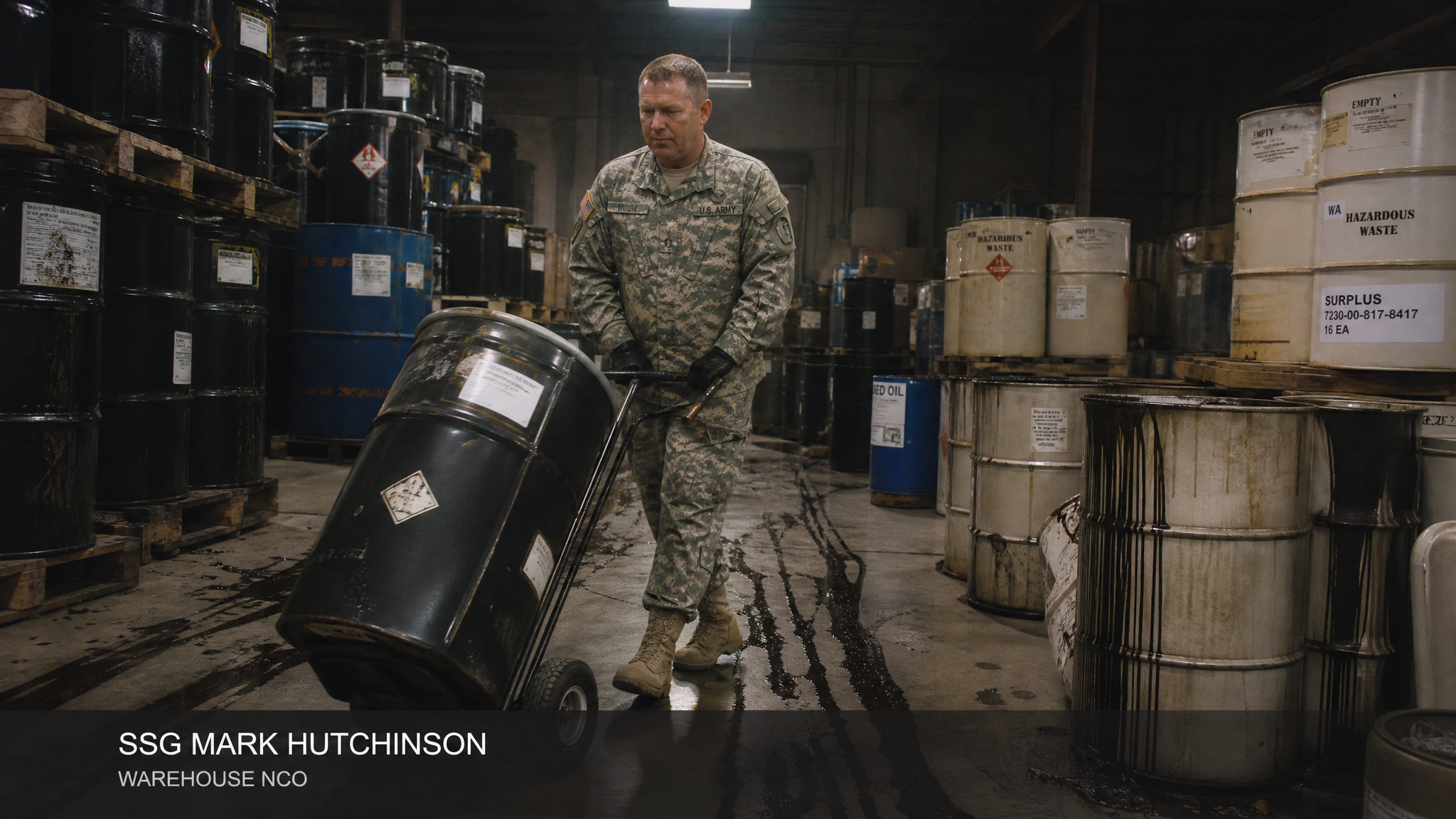
The detail nobody wrote down
You were told to go help, and you went. Working parties, extra duty, a hand loaned to another shop for two weeks. Those hours are often the exposure — and they are almost never in your personnel file.
The examiner is supposed to be told about your exposure. When that handoff fails, denials happen for a paperwork reason, not a medical one. Here is how these two documents work, how they help, and exactly what to check if you were denied.

Duty and location — not your job title
You did not choose the installation. You did not choose the airfield, the motor pool, the burn pit upwind of your tent, or the water main running under your barracks. Somebody else decided all of that, and you went. That is the whole reason a TERA determination turns on what you actually did and where you actually stood — not on the job code printed on your discharge paper. A job code describes a career. Exposure happens in a place, on a shift, doing a task that may never have been written down.
Here is the part that stays quiet. TERA — Toxic Exposure Risk Activity — is not a presumptive, and it is not the PACT Act presumptive lists or Agent Orange. It is a finding about your own service. And because it turns on duty and location instead of job title, far more veterans qualify for that assessment than ever ask for it. Most have never heard the word. Plenty were never told which conditions they might be entitled to claim at all.
You were told to go help, and you went. Working parties, extra duty, a hand loaned to another shop for two weeks. Those hours are often the exposure — and they are almost never in your personnel file.
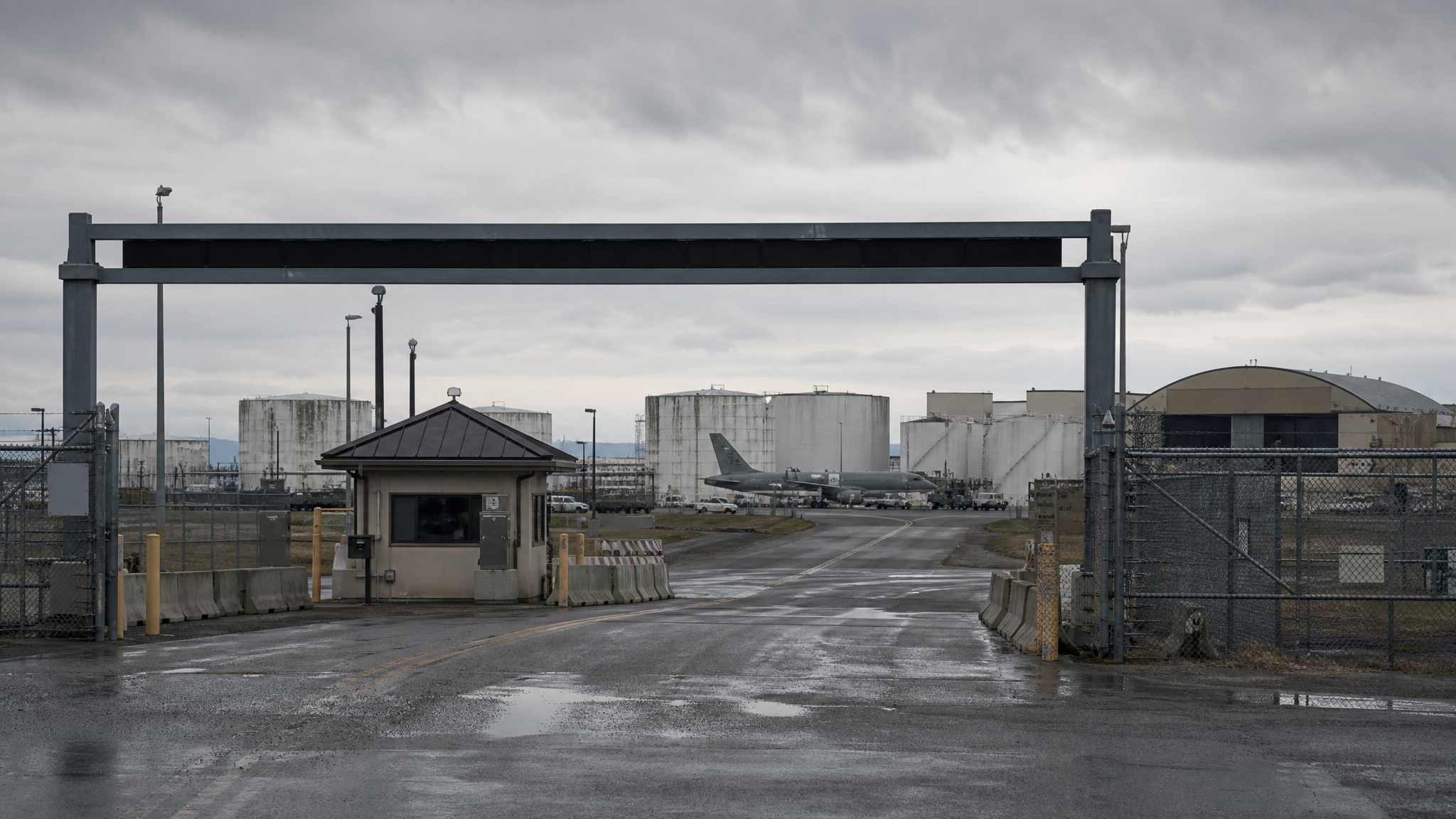
Air, water and soil do not check your job code. If a hazard was in the ground or drifting through the air on that installation, it did not stop at the door of your shop.

You slept, showered, drank and ate on that installation. Twenty-four hours a day, not an eight-hour shift — which is exactly the argument an eight-hour job description cannot make for you.

A statement from someone who stood next to you can place you at the burn pit, the fuel point or the sprayed perimeter. A buddy statement is evidence of duty, not hearsay.
You may already qualify and not know it
Find the work you actually performed and the ground you actually stood on. That is the raw material of a TERA request — and it is the same material that decides whether a presumption reaches you. Do not start with the job code. Start with the task and the location.
These two get mixed together constantly — by veterans, by service officers, and sometimes in the decision letter itself. They are separate mechanisms that answer separate questions. One asks where and when you served. The other asks what you did while you were there. Treating either one as a substitute for the other is how a winnable claim gets prepared the wrong way and comes back denied.
Here is the fastest way to tell which lane you are standing in. A presumption almost always comes out of a deployment or an assignment to a place that has already been named — Vietnam, the Gulf, the Korean DMZ, the burn-pit countries, Camp Lejeune. Congress or VA drew a box around a region and a set of dates, and if your service falls inside that box and your diagnosis is on the list attached to it, you are in the presumptive lane and the law does the connecting for you. TERA is for everything else. If your exposure did not come from being sent to one of those named locations — if it came from the aircraft you turned wrenches on, the fuel you pumped, the foam you sprayed, the paint and solvent you stripped with, the engine room you stood watch in, the stateside installation where the work itself was the hazard — then no list is ever going to carry your claim. That is a TERA case, and it is proved with your duties.
Read both columns before you decide what to gather. If you are in the presumptive lane, the work is proving your service facts — orders, dates, locations. If you are in the TERA lane, the work is documenting what you actually did and then getting a medical opinion that ties it to the diagnosis. Those are two entirely different piles of paper, and preparing the wrong one costs months. And plenty of veterans are standing in both lanes at the same time — one condition that qualifies off a deployment, another that only ever gets connected through the work.

Set by law — where and when you served
A presumption is written into statute and regulation. It has three moving parts and all three have to line up: a specific place, a specific date range, and a diagnosis that appears on the list attached to that place. When they do, VA presumes the exposure and presumes the connection — you never have to produce a medical opinion tying the disease to the service.

Based on what you actually did
TERA stands for Toxic Exposure Risk Activity. It is VA’s finding that your service involved an activity that put you at risk of a hazard, and it comes out of your duties, your assignments, and the work you actually performed — not out of a list of places and dates. It is not a presumption, and on its own it does not grant service connection.
Keep them apart — four rules that decide claims
A screener is not ILER. A screening is not a C&P exam. A TERA concession is not a nexus. Keep them separate — and audit the exact words VA used.

Individual Longitudinal Exposure Record
A secure DoD–VA system that consolidates occupational and environmental exposure data for authorized clinical, research, and claims users. It may contain deployment, duty, registry, monitoring, and occupational records.
Missing entry ≠ proof no exposure occurred. Historical monitoring and source systems can be incomplete.
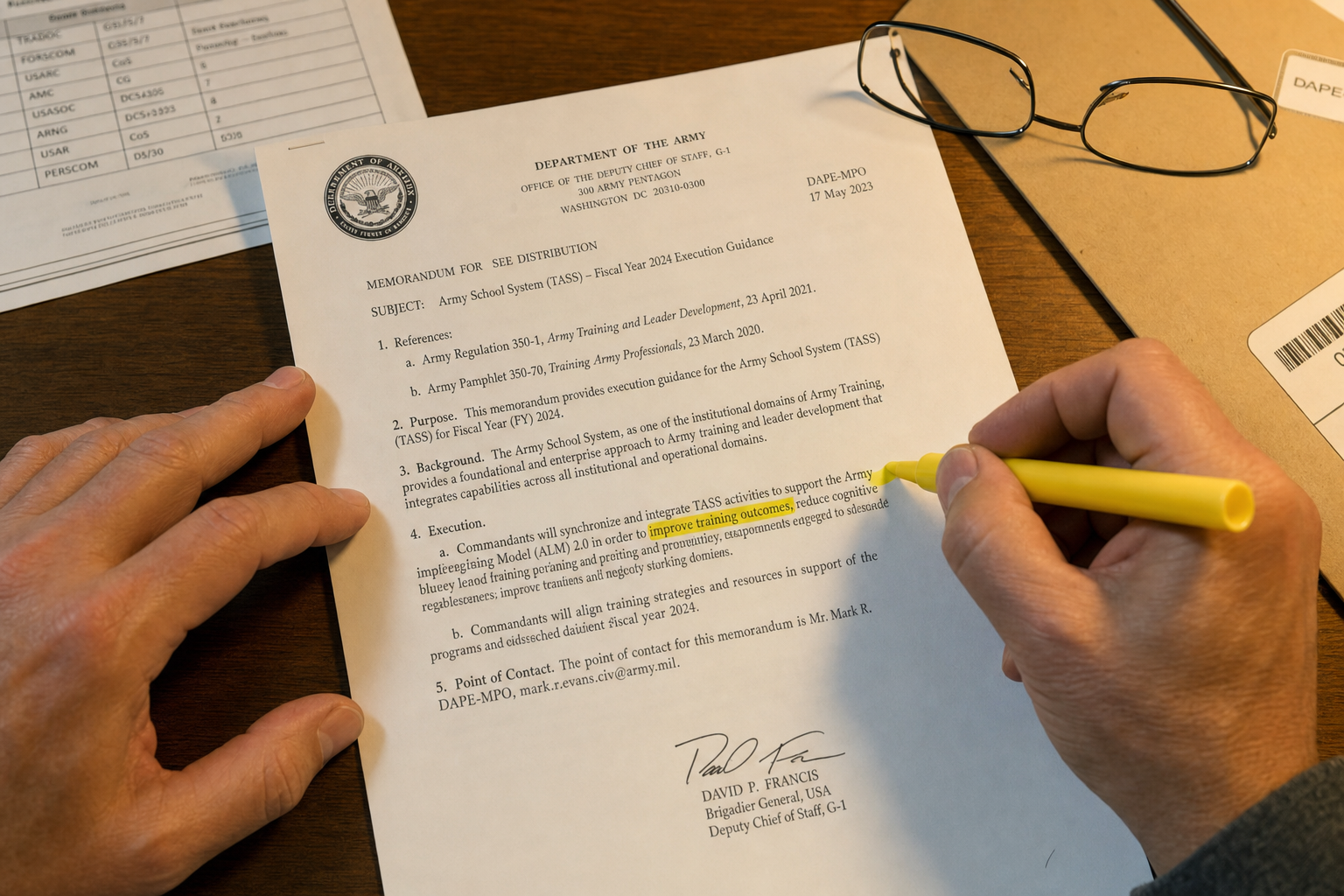
Toxic Exposure Risk Activity finding
An adjudicative finding about participation in a toxic exposure risk activity. Read whether it concedes a specific substance, only an activity, dates, route, or duration.
TERA conceded ≠ nexus conceded for every non-presumptive diagnosis.

Toxic exposure screening
A brief health-care interaction — generally five to ten minutes — to identify concerns and connect veterans with care or resources.
Not ILER. Not diagnostic. Not a nexus opinion. Not required before filing. Not compensation proof.
The handoff that decides your claim
Your exposure has to travel from the battlefield or the flight line all the way to the examiner’s desk. TERA and ILER are the vehicles that carry it there. When the chain holds, the examiner weighs your exposure on the merits. When a link breaks — the duty was never captured, the exposure was left out of the exam request, or the examiner was simply never told — the claim can be denied for a reason that has nothing to do with your health.

The examiner can only weigh what the exam request puts in front of them. If your exposure never made the handoff, no amount of medical truth fixes it — the paperwork does.
Interactive
You are exposed in service
The same exposure happens. What matters next is whether the record work captures it.
Captured in the record (TERA + ILER)
The duty was informal, temporary, or historical — so it never made it into the source systems.
Written into the C&P exam request
Your exposure is left out of the exam request the examiner actually receives.
The examiner reviews and weighs it
The examiner is never told — or overlooks it — and never weighs your toxic exposure at all.
The decision
Denial — not because you were not exposed, but because the examiner was never made aware.
When there is a current disability, evidence of TERA participation, and insufficient evidence to grant, VA generally must obtain an examination and opinion on whether the disability is at least as likely as not related to the TERA, subject to statutory exceptions.
Presumptive exposure
A statute or regulation presumes exposure from qualifying service. Prove the specified service facts and listed diagnosis.
Facts-found exposure
Records, ILER material, duties, location, unit history, environmental reports, and competent lay evidence establish an actual risk activity or hazard pathway.

Both options are free · No obligation
Tell us what happened and what the VA said. An accredited agent reads it and tells you honestly what he sees — no cost, no obligation. When you are ready to have us fight it, register and we start.
An accredited agent personally reviews every request — we’ll reach out within 48 hours. Or call 702-992-4883.
Where these two records go wrong
None of these are medical findings that your exposure was harmless. Every one is an auditable paperwork failure — and every one can be challenged.
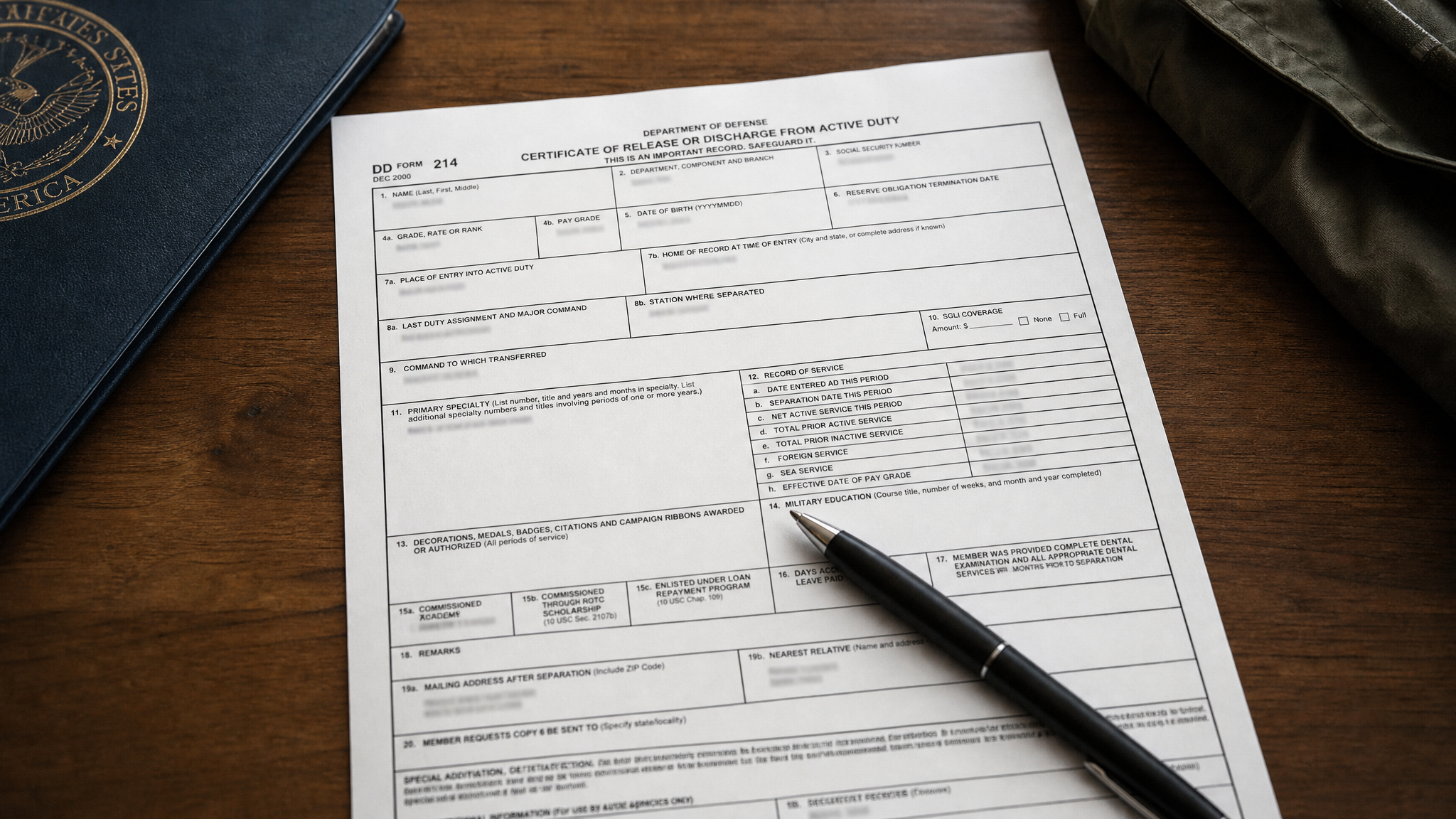
The reviewer looks at your primary job code and stops there — ignoring the actual tasks, details, and duties that put you near the hazard.
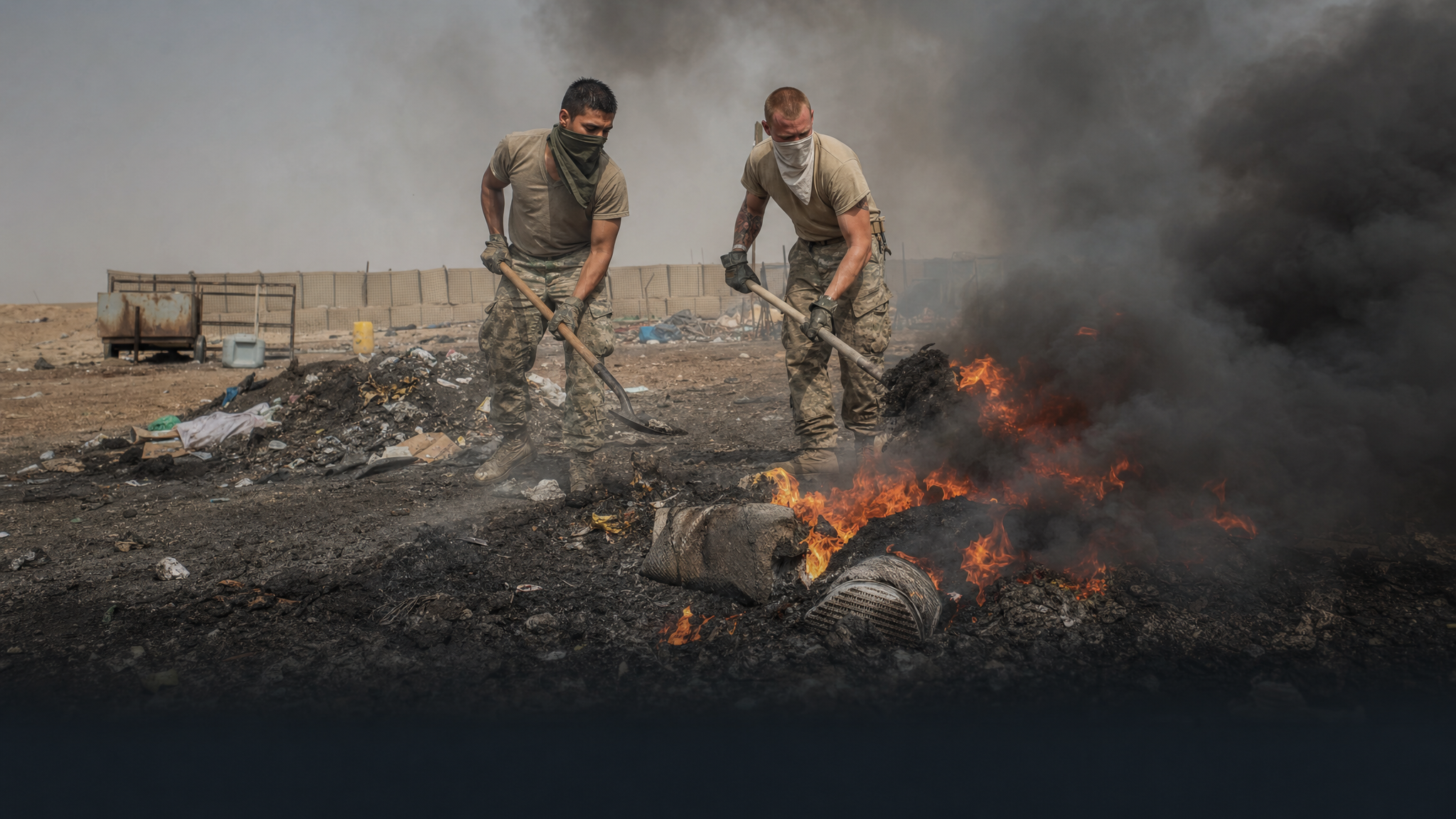
Temporary duty, spill response, base cleanup, and historical exposure often never reach the source systems that feed ILER, so they appear "unverified."
Your documented exposure is not written into the examination request the examiner actually receives — so it is never put in front of them.
Even when it is in the file, a rushed examiner is never told or does not weigh it — and the opinion answers a question you never asked.
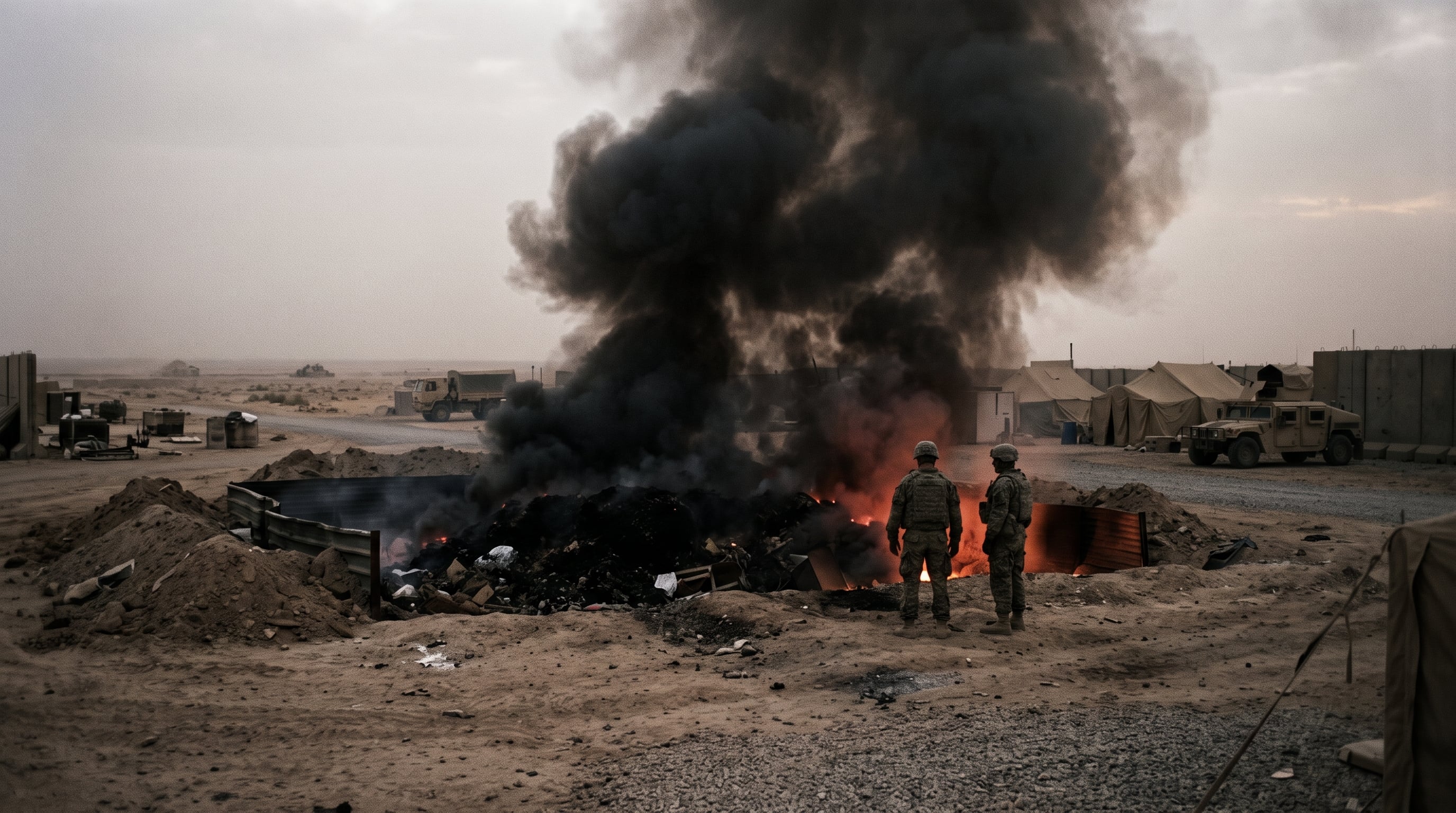
The opinion discusses burn pits but ignores solvents, diesel, dust, or pesticides — failing to weigh total and synergistic combined exposure.

The absence of an ILER entry is treated as evidence that no exposure happened, rather than a limit of an incomplete historical record.

A five-minute toxic-exposure screening is treated as if it were an ILER record, a C&P exam, or a nexus opinion. It is none of those.

The written decision quietly narrows or contradicts what the TERA memorandum actually conceded — without saying so in plain words.
Context, not a scare statistic. As of November 2023, a GAO review reported roughly 17,321 ILER accounts, with about 83% held by VBA claims staff, and recommended stronger goals for how the system is used. That is a measure of who has access — not an error rate. The point: this system is used in adjudication, so what it does and does not say about your service matters.
Thirty years is not an alibi
The illnesses that come from toxic exposure are, for the most part, slow illnesses. A man who handled the drums in 1969 does not get the diagnosis in 1970. He gets it at sixty-eight, or at seventy-four, decades after the last person who could have written it down took off the uniform. The length of the delay is not evidence that service had nothing to do with it. For many of these diseases, a long delay between the exposure and the diagnosis is exactly what the medical literature describes.
This is where we lose the older generation. Vietnam-era veterans and the men and women who served before them have largely given up on the VA — not because they were told no, but because nobody ever told them there was a question worth asking. So the cough, the headaches, the rash, the biopsy all get filed under getting old, and no claim is ever filed at all. The VA has done a poor job of educating the veterans it exposed. That failure is not your fault, and it is not a reason to stop.

“At your age, that is normal.”
A veteran mentions the breathing, the headaches, the lesion that keeps coming back. He is told it comes with the years, and he never brings it up again. Nobody in that room asked where he served or what he handled. An exposure history takes about two minutes to take, and without it the record shows an aging man with unrelated complaints instead of an exposed veteran with a pattern.

Rebuild it from the shoebox up
Photographs with a date on the back. Orders. A base name you have not said out loud in fifty years. The name of the man who worked the next bay over. The record can be rebuilt decades later — that is exactly what a TERA request and an ILER correction are for, and it is exactly what the examiner needs before anyone can honestly say your illness is unrelated.
This is not a list of guaranteed grants, and none of these are marked presumptive here on purpose. Whether your condition is covered by a presumption or has to be proven on the facts found depends on where and when you served — that is a records question, not an age question. What this list is: the things that get blamed on the calendar most often.
The one most often shrugged off as a number that just goes up with age.
Cancer researchBlamed on the cigarettes you quit forty years ago, while what you breathed on duty never comes up.
Respiratory researchBladder, kidney, liver and blood cancers get called bad luck instead of getting a service history.
Cancer researchDecades of shortness of breath treated as normal wear on an aging chest.
Respiratory researchBreathing tests can read close to normal while you still cannot climb a flight of stairs.
Respiratory researchLived with for thirty years, never once written down in a medical record.
Headache researchIrritation, scarring and vision loss dismissed as just getting older.
What you were exposed toRashes and lesions that never fully cleared, going back to the year you came home.
What you were exposed toSaid plainly
We are not going to pretend otherwise. People get older and things wear out, and some of what an older veteran is living with has nothing to do with what he breathed in 1969. The problem is that the question is never asked, so the two possibilities never get separated. Age and exposure are not opposites — an aging body can also be an exposed body, and the only way to know which one you are looking at is to put the service history next to the medical history.
Even if you never file
A veteran who does not know he was exposed does not get screened for what he was exposed to, and that is a health problem before it is ever a benefits problem. Tell a clinician where you served and what you handled, and ask what screening that history calls for. Catching something early is worth more than any rating. Filing a claim is your decision; getting looked at should not wait on it.
How to talk to a doctor about exposureIf you were denied, start here
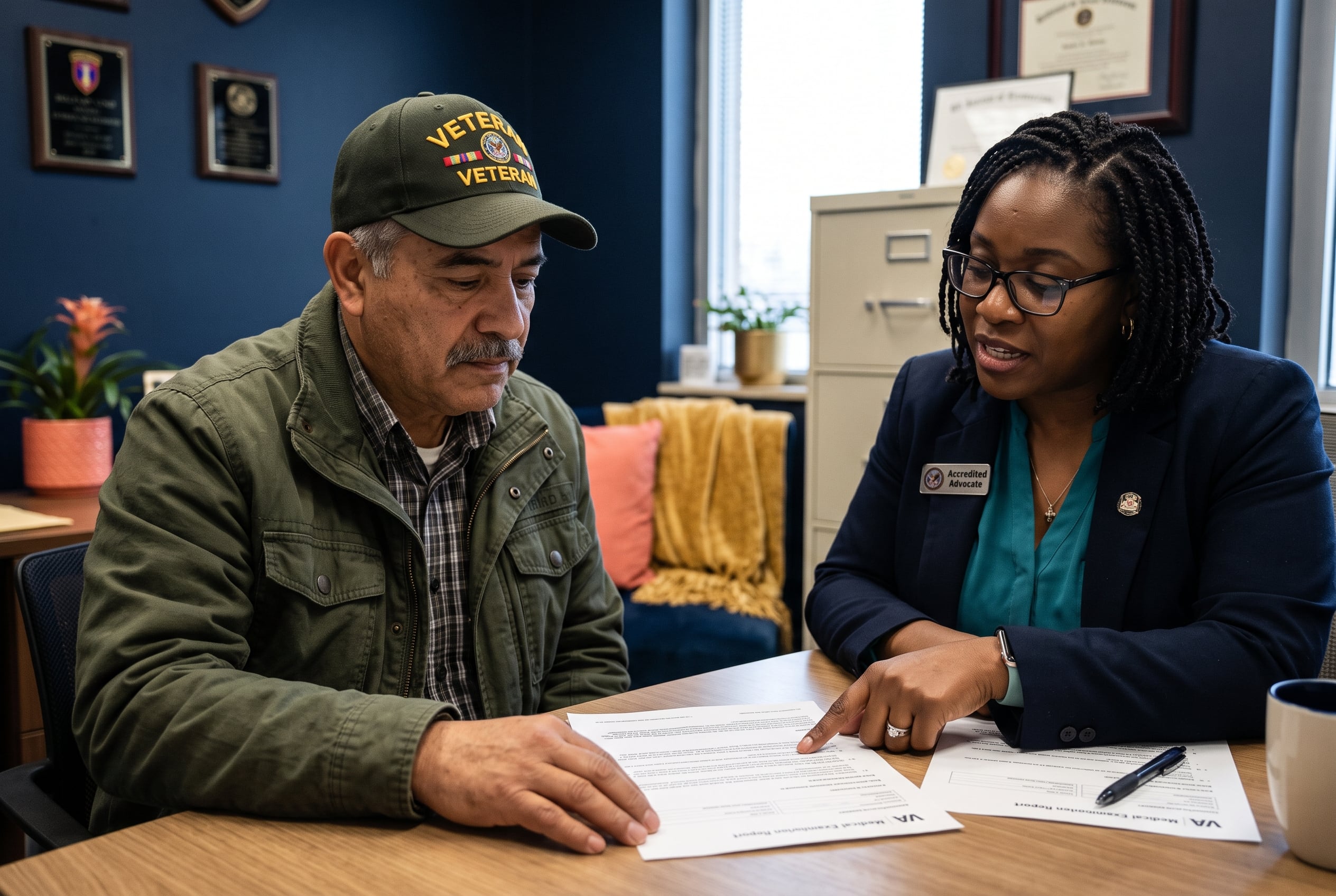
Request a copy of your claim file and look for two things: a TERA memorandum and an ILER report or summary. Then ask the hard question — are they actually there, and are they correct? If the TERA memo is missing, if the ILER record leaves out your real duties, or if your exposure was never written into the exam request, that is often the reason a claim was denied. It is also exactly the kind of error that can turn a denial into a grant.
A missing or incorrect TERA memo or ILER record can be the difference between a denial and a win. General information — not legal advice. We are not the VA.
This is the disciplined sequence an accredited agent follows to rebuild the exposure record and confront each inaccurate premise with the exact contrary evidence.
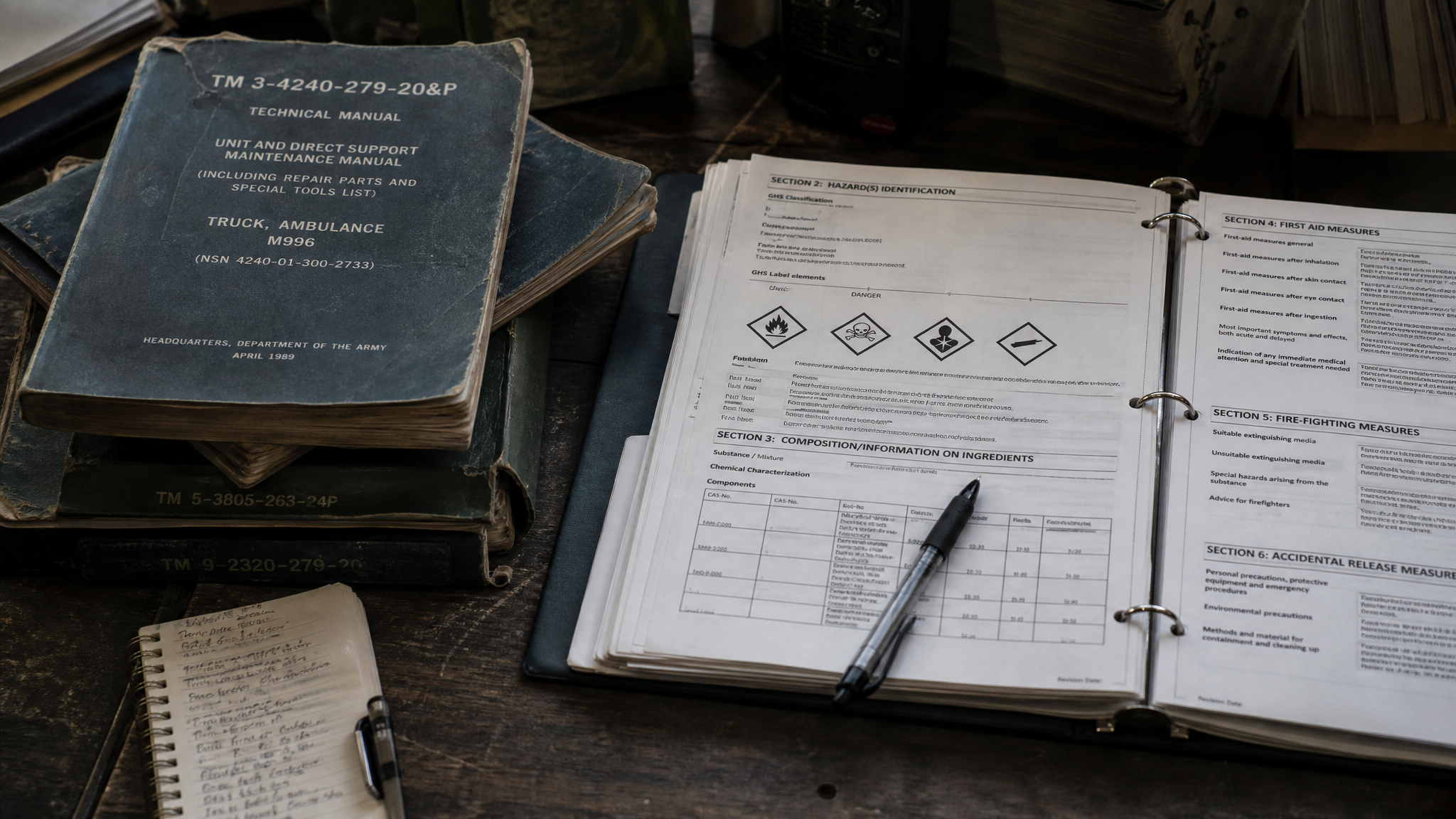
Obtain the TERA memorandum, ILER report or file summary, exam request, opinion, service records, and decision evidence list.
Separate “no presumptive exposure,” “no ILER entry,” “no TERA,” and “TERA conceded but nexus negative.”
Correct branch, component, unit, dates, deployments, ship, installation, and temporary duty.
Add actual task evidence beyond the primary MOS.
Overlay maps, environmental records, unit histories, logs, and witness statements.
Identify inhalation, ingestion, dermal, wound, or embedded-fragment route.
Explain why informal duty, cleanup, spill, or historical exposure may be missing from source systems.
Compare the examination request with whether the opinion addressed total and synergistic combined exposure.
Point to each inaccurate premise with the exact contrary record.
Choose the review lane based on whether new evidence is needed or a duty-to-assist/legal error occurred.
No verified public statistic in the underlying research shows what percentage of TERA memoranda are negative. This site does not claim “most” or any specific rate. It focuses on auditable failure points: incomplete service data, MOS-only analysis, missing tasks and locations, source-record limits, and opinions that ignore combined exposure.
A TERA determination is a finding about your service, not an evaluation of your body. The clocks that stop VA from cutting a check run off the effective date of the rating, not off the memo — and every rating granted in the PACT Act wave is still inside the window where nothing is protected yet.
Straight from the VA
Two official videos on the exposure side of the file — the health-care view of the PACT Act, and what the agency says it can help with.
The PACT Act and Your Benefits
The health-side view of the PACT Act from the Veterans Health Administration.
Source: Veterans Health Administration
Agent Orange Exposure: How VA Can Help | Department of Veterans Affairs | theSITREP
What the VA says it can do for a veteran who was exposed.
Source: U.S. Department of Veterans Affairs
These videos are published by the U.S. Department of Veterans Affairs and are embedded here unedited. They are the agency’s own explanation of its rules, not ours, and they are not legal or medical advice. If what the VA said on camera does not match what your decision letter says, that gap is worth a conversation.
Turn this page into an appointment
Reading a symptom list changes nothing on its own. A dated note in your medical record does — for your health first, and years later for a claim. Below is every route to an appointment, the phrase that gets your exposure history written down, and the numbers to dial. Nothing on this page is a diagnosis, and none of it replaces your doctor.

Some things do not wait for a scheduler
Chest pain or pressure lasting more than a few minutes, or chest pain with sweating, nausea, or pain spreading to the jaw or arm
Sudden trouble breathing, or breathlessness while sitting still
Face droop, weakness or numbness on one side, slurred speech, or sudden confusion
Coughing up or vomiting blood, or bleeding that will not stop
A first seizure, or fainting you cannot explain
Call 911 or go to the nearest emergency room. Do not wait to reach a VA facility first, and do not drive yourself. Tell VA as soon as you can afterward — VA asks to be notified within 72 hours of emergency care received in the community — and keep every discharge paper and bill.
The PACT Act requires VA to offer this to every veteran enrolled in VA health care. It takes about five to ten minutes, and it is the cheapest way to get your exposure history into VA's own record in VA's own words.
What it is
A short set of questions asking whether you believe you were exposed to open burn pits and other airborne hazards, Agent Orange, radiation, Gulf War-related hazards, or contaminated water at Camp Lejeune.
Who can get it
Every veteran enrolled in VA health care. If you are not enrolled yet, enrollment comes first — call 877-222-8387.
How often
An initial screening, then at least once every five years. If you answer that you do not know whether you were exposed, VA schedules you again a year later.
How to get one
It is often done during a primary care or specialty visit — but you can ask for it sooner. Ask your primary care team directly, or ask your facility for its Toxic Exposure Screening Navigator by name.
What it is not
It is not an exam for any specific illness, and it is not part of the disability claims process. It is optional, and declining it does not affect your health care or your benefits.
Why bother
It creates a dated VA record that you raised military exposure. Years later, that entry is evidence that the concern predated the diagnosis.
A civilian or community provider cannot perform this screening — it lives inside VA's own health record. If you only see a private doctor, that is a reason to enroll in VA health care as well.
Since August 1, 2024, VA and the Defense Department enroll eligible veterans and service members in the Airborne Hazards and Open Burn Pit Registry automatically, from deployment records. For most people there is nothing to sign up for.
Automatic enrollment covers service between August 2, 1990 and August 31, 2021 in the listed operations and locations — Desert Shield, Desert Storm, Iraqi Freedom, Enduring Freedom and New Dawn, the Southwest Asia theater, Egypt, Afghanistan, Djibouti, Jordan, Lebanon, Syria, Uzbekistan, Yemen, and the associated airspace and waters.
You do not need to have been knowingly exposed, and you do not need any current health problem, to be included.
If you enrolled yourself before the redesign, your enrollment carried over. There is nothing to redo.
To check your status, contact the Environmental Health Coordinator at your VA facility.
The registry holds deployment and demographic data only. No medical information is stored in it.
Participation is optional and you can opt out. Being in the registry is not required to file a claim, and it does not affect your eligibility for care or benefits either way.
Being in the registry is not evidence of exposure on its own, and it is not a claim. Treat it as a research tool, and do not let anyone tell you a claim depends on it.
Write the duties your tera determination should cover at the top of that sheet, in the words the military used for it.
VET-HOME — VA's exposure team
833-633-8846
Monday to Friday, 9:00 a.m. to 7:30 p.m. ET
The number to call about a military environmental exposure specifically. VET-HOME books a free telehealth evaluation with a clinician trained in military exposures, and that clinician writes your exposure history into your VA record. Say you want a military environmental exposure assessment.
MyVA411 — VA main line
800-698-2411
24 hours a day, 7 days a week
The one number to call if you do not know who to call. Ask to be put through to your VA medical center's scheduling line, or press 0 for a person.
VA Health Benefits Hotline
877-222-8387
Monday to Friday, 8:00 a.m. to 8:00 p.m. ET
Enrolling in VA health care, health-care eligibility, VA medical bills, and community care billing.
Veterans Crisis Line
988, then press 1
24 hours a day, 7 days a week
Any crisis, and you do not need to be enrolled in VA health care to use it. You can also text 838255.
My HealtheVet help desk
877-327-0022
Monday to Friday
Trouble signing in, secure messaging, or online scheduling.
VA Benefits Hotline
800-827-1000
Monday to Friday, 8:00 a.m. to 9:00 p.m. ET
Claims, ratings, and back pay — the benefits side rather than the medical side.
TTY
711
Relay service
If you are deaf or hard of hearing.
These are VA's own published lines. If a number ever gives you a runaround, MyVA411 at 800-698-2411 will transfer you — it is staffed every hour of every day.
Both options are free · No obligation
Talking to a VA-accredited claims agent costs nothing either way. Pick the one that fits: get answers to your questions, or register to hire us to take on your claim.

Free information — just ask
You can ask Albert, our AI claims assistant, anything about exposure, evidence, or the claims process — he answers instantly. If you would rather have a direct, personal answer, send your question below and an accredited agent will come back to you. No cost, no obligation.

Ready to hire us? Register with us
For veterans who have decided they want us on their claim. Registering is free too, and it takes the registration form plus a signed VA Form 21-22a.
Until VA Form 21-22a is signed we cannot accept your claim, access your VA file, or do any work on your behalf. That is federal law, not firm policy.
What happens after you register
An accredited agent personally reviews every request — we’ll reach out within 48 hours.