Every base has a history. Some of that history is buried in the soil, the water, and the air. This resource connects military installations to documented toxic exposures, known health conditions, and what the VA needs to see in your claim.
Jump to the locations with this hazard
Your ILER is the key document
An Individual Longitudinal Exposure Record links your specific duty assignments to the exposure history of each base you served at. Request yours through My HealtheVet under VA Medical Records, or ask your VA Environmental Health Coordinator. The My HealtheVet help desk is 877-327-0022.
Read this before you rely on it: an empty ILER is not proof that nothing happened. Temporary duty, spill response, base cleanup work and historical exposure frequently never reached the source systems that feed ILER — and VA decisions routinely treat that gap as evidence against the veteran.
The Sergeant First Class Heath Robinson Honoring our Promise to Address Comprehensive Toxics Act, Public Law 117-168, was signed on August 10, 2022. It expanded presumptive service connection under 38 CFR §§ 3.307 and 3.309 and added § 3.320 for burn pits and other airborne hazards. Where a presumption applies, service at a listed location during a covered period is sufficient — you do not have to prove you personally breathed the smoke.
Service on or after August 2, 1990
Bahrain
Iraq
Kuwait
Oman
Qatar
Saudi Arabia
Somalia
United Arab Emirates
The Iraq–Saudi Arabia neutral zone
The airspace above any of these
Service on or after September 11, 2001
Afghanistan
Djibouti
Egypt
Jordan
Lebanon
Syria
Uzbekistan
Yemen
The airspace above any of these
A presumption removes the exposure argument. It does not remove the diagnosis requirement — you still need a listed condition diagnosed and documented, and you still need a rating to be paid.
Before you read the cards
Two pathways. Which one you are on decides what evidence you need.
Every card below is labelled with its pathway, because the difference is the whole claim. A presumptive pathway means the regulation concedes exposure for you. A facts-found pathway under 38 CFR § 3.303(d) means you have to prove exposure and then link it to your diagnosis with a medical opinion. Reading a facts-found case as though it were presumptive is the most common way a well-documented base claim gets denied.
Presumptive — exposure is conceded by rule
Burn pits and airborne hazards — 38 CFR § 3.320
Service on or after the dates above in a covered location. Presumptive respiratory illnesses include asthma diagnosed after service, chronic bronchitis, COPD, chronic rhinitis, chronic sinusitis, constrictive or obliterative bronchiolitis, emphysema, granulomatous disease, interstitial lung disease, pleuritis, pulmonary fibrosis and sarcoidosis — plus a long cancer list: brain and central nervous system, all respiratory cancers, any gastrointestinal cancer, genitourinary, head and neck, lymphoma of any type, hematologic cancers, acute and chronic leukemias, multiple myeloma, myelodysplastic syndromes, myelofibrosis, melanoma and other skin cancers.
Herbicide agents — 38 CFR §§ 3.307(a)(6) and 3.309(e)
Vietnam and its inland waterways, ships within 12 nautical miles, Thailand, Laos, Cambodia at Mimot and Krek, Guam and American Samoa, Johnston Atoll, and the Korean demilitarized zone — each with its own date window. The window matters as much as the place.
Camp Lejeune water — 38 CFR § 3.309(f)
Thirty cumulative days at Camp Lejeune or MCAS New River between August 1, 1953 and December 31, 1987, and one of exactly eight listed diseases. Eight — not fifteen. The fifteen-condition list is a health care reimbursement list and does not pay compensation.
Radiation-risk activities — 38 CFR §§ 3.309(d) and 3.311
A narrow, specifically defined set of activities: atmospheric nuclear testing, the occupation of Hiroshima or Nagasaki, gaseous diffusion plants, and a handful of others. Routine duty near radioactive material is not on that list — those claims run through § 3.311, which requires a radiogenic diagnosis and a dose estimate.
Facts-found — you carry the exposure burden
Most installations on this page are facts-found. You need three things and VA will test all three: documentation that the hazard existed where and when you were there, evidence that puts you in contact with it — assignment orders, the part of post you lived and worked on, your job, your worksite, buddy statements — and a medical opinion stating it is at least as likely as not that the exposure caused or aggravated your condition. The standard is equipoise: a genuine fifty-fifty is a win.
A Superfund listing is not a presumption. It is something better than nothing: independent, dated, government documentation you can cite by site unit — which is exactly what a facts-found claim is built from.
Three corrections that cost veterans claims
There is no VA presumption for PFAS. Not at any installation, as of 2025. VA is formally reviewing a possible link between PFAS and kidney cancer under the PACT Act, but until a rule exists every PFAS claim needs documented exposure plus a nexus opinion.
Asbestos and mesothelioma are not presumptive either. VA presumes neither the exposure nor the disease. You need the diagnosis, an in-service exposure history — your rate, your ship, your spaces — and a nexus opinion, and you should expect VA to weigh any civilian construction, insulation or shipyard work against you. Mesothelioma is also specifically excluded from the Agent Orange soft-tissue-sarcoma presumption.
Appearing on a herbicide test-and-storage list is not Agent Orange presumption. Locations like Dugway appear on VA’s testing and storage list. That list does not create a presumption — VA still requires evidence that you were actually exposed.
Two different things — never combine them
A presumption and a TERA determination are not the same thing
These two get mixed together constantly — by veterans, by service officers, and sometimes in the decision letter itself. They are separate mechanisms that answer separate questions. One asks where and when you served. The other asks what you did while you were there. Treating either one as a substitute for the other is how a winnable claim gets prepared the wrong way and comes back denied.
Here is the fastest way to tell which lane you are standing in. A presumption almost always comes out of a deployment or an assignment to a place that has already been named — Vietnam, the Gulf, the Korean DMZ, the burn-pit countries, Camp Lejeune. Congress or VA drew a box around a region and a set of dates, and if your service falls inside that box and your diagnosis is on the list attached to it, you are in the presumptive lane and the law does the connecting for you. TERA is for everything else. If your exposure did not come from being sent to one of those named locations — if it came from the aircraft you turned wrenches on, the fuel you pumped, the foam you sprayed, the paint and solvent you stripped with, the engine room you stood watch in, the stateside installation where the work itself was the hazard — then no list is ever going to carry your claim. That is a TERA case, and it is proved with your duties.
Read both columns before you decide what to gather. If you are in the presumptive lane, the work is proving your service facts — orders, dates, locations. If you are in the TERA lane, the work is documenting what you actually did and then getting a medical opinion that ties it to the diagnosis. Those are two entirely different piles of paper, and preparing the wrong one costs months. And plenty of veterans are standing in both lanes at the same time — one condition that qualifies off a deployment, another that only ever gets connected through the work.
Set by law — where and when you served
A presumption
A presumption is written into statute and regulation. It has three moving parts and all three have to line up: a specific place, a specific date range, and a diagnosis that appears on the list attached to that place. When they do, VA presumes the exposure and presumes the connection — you never have to produce a medical opinion tying the disease to the service.
It is decided on service records, not on medical evidence.
Miss the location or the date window by anything at all and the presumption simply does not apply.
The condition list is closed — a diagnosis that is not on it is not presumptive, however strong the science behind it.
If you do qualify, it is the fastest route to a decision that exists.
Based on what you actually did
A TERA determination
TERA stands for Toxic Exposure Risk Activity. It is VA’s finding that your service involved an activity that put you at risk of a hazard, and it comes out of your duties, your assignments, and the work you actually performed — not out of a list of places and dates. It is not a presumption, and on its own it does not grant service connection.
What it does: it puts the exposure into the record, and under 38 U.S.C. § 1168 it generally obligates VA to obtain an exam and a medical opinion when there is a current disability and the file is otherwise short of proof.
What it does not do: it does not concede the medical link. VA can find TERA and still deny the claim for “no nexus.”
It is also used on the health care side, to establish eligibility to enroll and to get the toxic exposure screening.
It is frequently missing from the file, or built off your primary job code alone — which misses the duties that actually exposed you.
Keep them apart — four rules that decide claims
No presumption does not mean no claim. It means your claim is facts-found, and the link gets built with evidence instead of handed to you by regulation.
A TERA finding is not a presumption. It never removes the need for a nexus opinion — it is what forces VA to go get one.
You can be in both lanes at once. Presumptive on one condition and facts-found on another, inside the same application.
Serving somewhere with a documented hazard is not the same as qualifying for a presumption. The presumption needs the exact place, the exact dates, and a listed condition — all three.
Showing 23 of 23 documented locations
🪖
Army Installations
7 locations
Solvent and degreaser plumes, firefighting foam, chemical and biological test ranges, and legacy landfills.
The confirmed problem at Fort Liberty is PFAS. Army site inspections completed in 2022 found PFOA and PFOS in groundwater beneath Pope Army Airfield, Simmons Army Airfield and other former fire-training and crash-response areas, and the Army has been sampling private wells in Cumberland and Moore Counties under a CERCLA remedial investigation. A February 2020 Defense Department report also listed the installation among more than 600 sites with contaminated groundwater or drinking water, and monitoring-well trichloroethylene has been reported in the range of roughly 6 to 132 parts per billion. One correction worth making plainly: burn-pit exposure claimed by Fort Liberty veterans almost always comes from their deployments, not from the post itself.
Linked conditions
PFAS is associated in the scientific literature with kidney cancer, testicular cancer, thyroid disease, ulcerative colitis, elevated cholesterol and immune effects. TCE is associated with kidney cancer, non-Hodgkin lymphoma, liver cancer and Parkinson's disease.
Facts-found pathway
Facts-found / direct service connection. There is no VA presumption for PFAS and none for TCE at Fort Liberty, so you need documented exposure plus a medical nexus opinion. If your respiratory or cancer claim comes from a deployment, that is a separate and far stronger presumptive pathway under 38 CFR § 3.320 — file it that way.
Key evidence
Assignment orders with dates, the part of post you lived and worked on, your ILER, the Army PFAS site-inspection report covering your area and era, and a nexus opinion.
PFAS at fire-training areasPCE + disinfection byproducts101st AirborneFacts-found claim
Documented exposures
Fort Campbell is a federal Superfund facility (EPA ID KY5210020140) but it is not on the National Priorities List — EPA classifies it No Further Remedial Action Planned for listing purposes. The documented contamination is PFAS from aqueous film-forming foam at the current fire-training area (Building 7237), the former fire station, and Fire Station #3 (Building 7160), which the Army has been assessing since roughly 2018. Water testing has additionally detected tetrachloroethylene (PCE), hexavalent chromium, chloroform, bromodichloromethane, haloacetic acids and total trihalomethanes. Claims circulating online about heavy TCE and aviation-fuel plumes at Fort Campbell are not supported by the site record — do not build a claim on them, because VA will check.
Linked conditions
PFAS-associated kidney and testicular cancer, thyroid disease, ulcerative colitis and immune effects. PCE is associated with bladder cancer and non-Hodgkin lymphoma. Hexavalent chromium is a documented respiratory carcinogen.
Facts-found pathway
Facts-found / direct service connection. Nothing at Fort Campbell is presumptive. The claim is won by tying your specific housing area, shop or fire-training duty to a contaminant the Army has already documented, then getting a nexus opinion on that contaminant and your diagnosis.
Key evidence
Duty-station and base-housing records showing where on post you were and when, ILER, the Army preliminary assessment / site inspection for the fire-training areas, water-quality reports for your era, and a nexus opinion.
Fort Ord was added to the National Priorities List in 1990 and is one of the largest military Superfund sites in the country. Trichloroethylene used as a degreaser — along with 1,1,1-trichloroethane, tetrachloroethylene and carbon tetrachloride — reached groundwater, and TCE was detected above legal limits between 1985 and 1994. Other documented sources are leaking underground storage tanks, a landfill of roughly 150 acres, motor-pool and fire-drill training areas, and firing ranges carrying unexploded ordnance and lead. PFAS from firefighting foam is also present. The post ran from 1917 until it closed in 1994, which means generations of basic trainees and infantry passed through it.
Linked conditions
TCE and PCE are associated with kidney cancer, liver cancer, non-Hodgkin lymphoma, leukemia, Parkinson's disease and reproductive effects. Carbon tetrachloride is a liver toxin. Range work adds lead and explosive-compound residue.
Facts-found pathway
Facts-found / direct service connection. Superfund listing does not create a presumption — but the EPA administrative record for Fort Ord is exactly the kind of independent, dated documentation that supports direct service connection under 38 CFR § 3.303(d). Cite the specific site unit, not "Fort Ord is a Superfund site."
Key evidence
Orders and training records with dates, the barracks or housing area you occupied, the EPA site record for that operable unit and period, and a nexus opinion.
Open-air agent testingZinc cadmium sulfide · DMMPHerbicide test locationFacts-found claim
Documented exposures
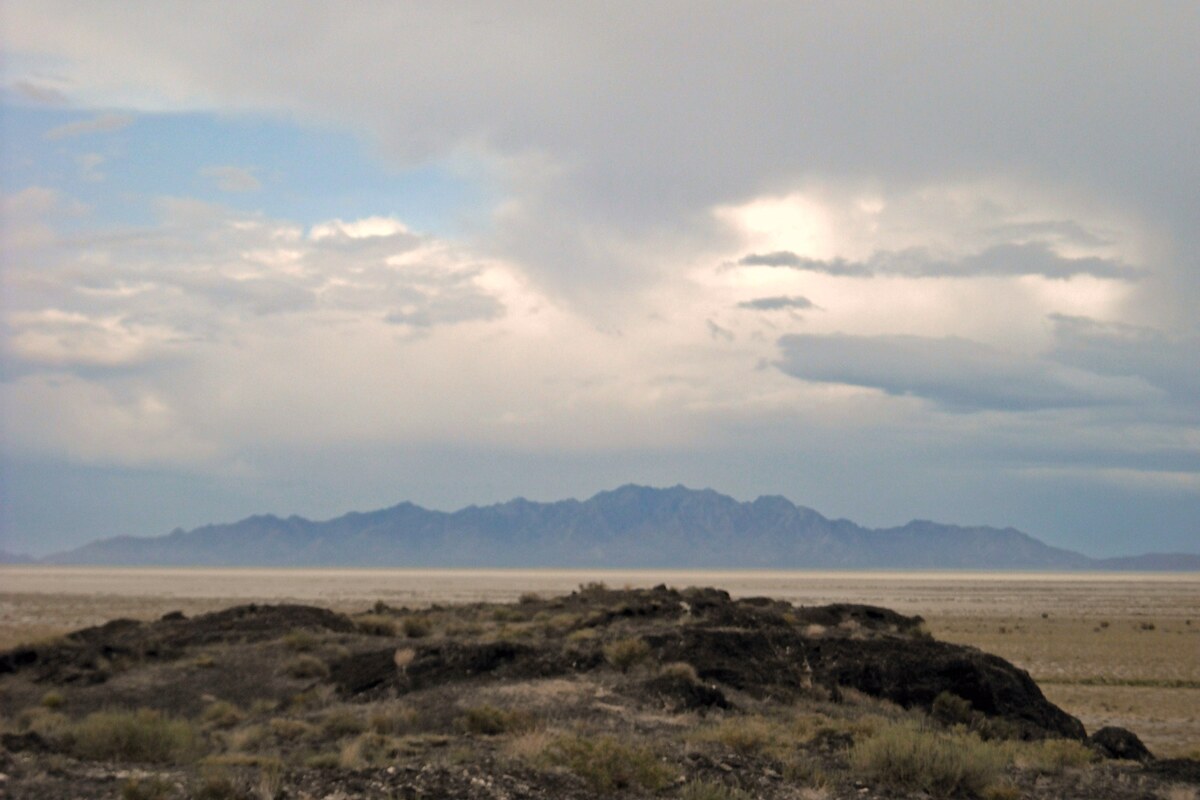
Dugway was the primary U.S. open-air test range for chemical and biological warfare agents and their simulants from World War II through the Cold War. Nerve and blister agents, biological simulants and defoliant systems were released outdoors. Some simulants were withdrawn only after their toxicity was recognized — zinc cadmium sulfide in the 1960s and dimethyl methylphosphonate in the 1980s. Dugway also appears on VA's list of herbicide test and storage locations. Because many tests were classified and participants were frequently not told what was released, service treatment records from Dugway often show nothing more specific than an upper respiratory infection.
Linked conditions
Veterans who served there have reported lung scarring, peripheral neuropathy, respiratory disease, skin conditions, immune effects and various cancers. There is no single agreed disease list, because the agent varied by test — which is why identifying the test matters more than naming the base.
Facts-found pathway
Facts-found / direct service connection. Two corrections that matter: appearing on VA's herbicide test-and-storage list does NOT create an Agent Orange presumption — VA still requires evidence you were actually exposed. And 38 CFR § 3.311 is a radiation regulation; it applies only when the claimed disease is radiogenic and a dose estimate exists, so it is not a general chemical-exposure rule. The Board of Veterans' Appeals has granted Dugway claims where the evidence stood in equipoise, which is the standard to aim for.
Key evidence
Unit and test-participation records, DoD chemical and biological test records identifying what was released during your window, buddy statements from other test participants, and a nexus opinion tied to that specific agent.
Radiological training sourcesCBR school agents + smokePACT Act study cohortFacts-found claim
Documented exposures
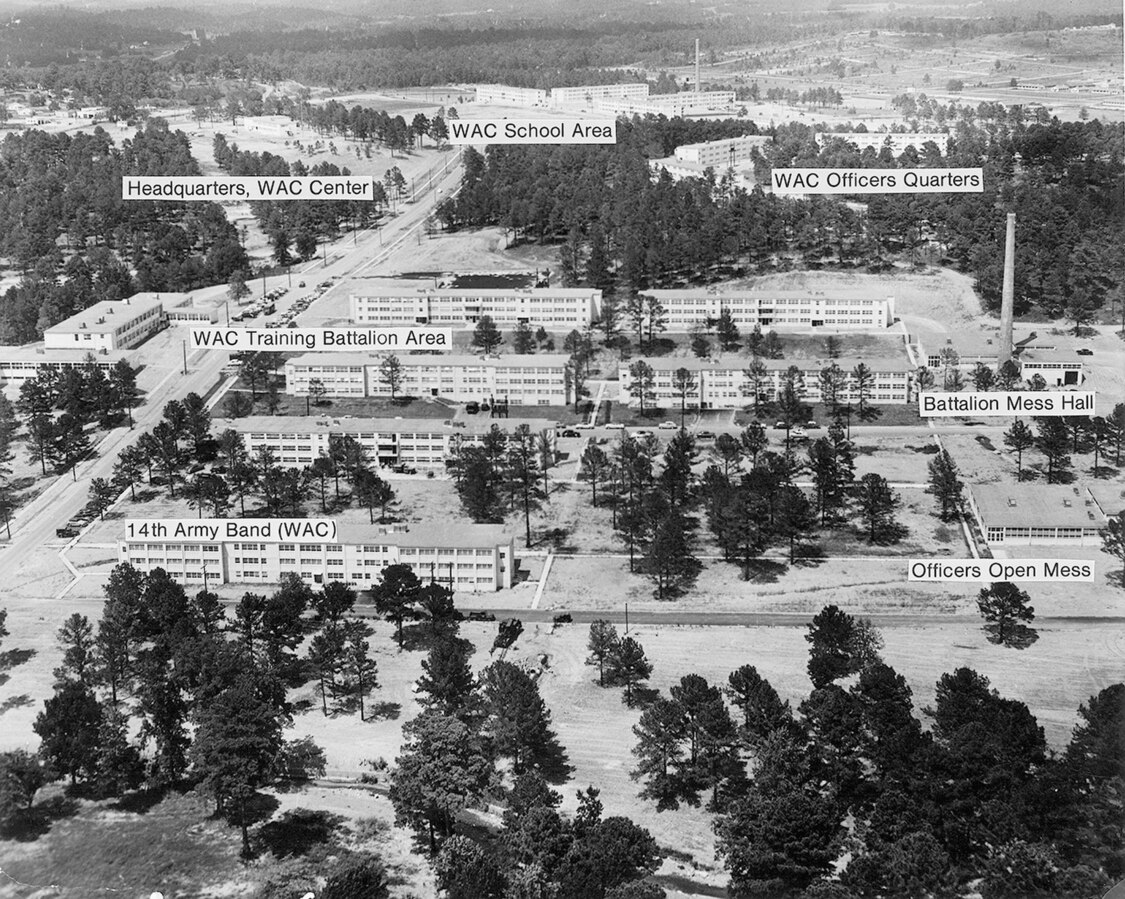
Fort McClellan hosted the Army Chemical Corps School, the Military Police School and radiological training. Documented hazards include cesium-137 and cobalt-60 sources, controlled mustard and nerve-agent training, fog oil and hexachloroethane smoke, and off-post PCB concerns in Anniston.
Linked conditions
There is no general VA presumption and no registry for Fort McClellan. A PACT Act-mandated epidemiological study covers service from January 1, 1935 through May 20, 1999 — a study is not a presumption, but it is citable context.
Facts-found pathway
Facts-found / direct service connection. The claim turns on which school, range, unit, barracks, field exercise, security post or occupational task actually put you near the hazard.
Key evidence
School and course records, unit assignment, barracks location, range and field-exercise records, dates, and a nexus opinion tied to the specific agent or source.
Chemical-warfare researchRadiological + munitions wasteVolunteer test programFacts-found claim
Documented exposures
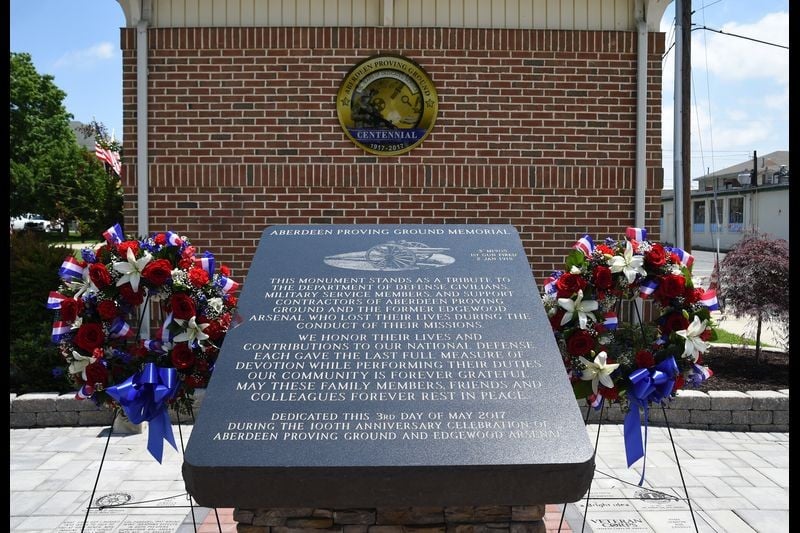
Edgewood covered chemical-warfare research, testing, storage and disposal, along with radiological wastes and localized soil, water, sediment, food-chain and munitions hazards. ATSDR concluded that access controls substantially reduced many potential exposure pathways — which cuts both ways in a claim, so the specific work area matters.
Linked conditions
Depends entirely on the agent and the program. Do not use a generic chemical list; identify the compound documented for your work area and match the medical literature to that compound.
Facts-found pathway
Facts-found / direct service connection. If you were in the Edgewood volunteer test program, records of that participation are the centre of the claim.
Key evidence
Authorized work area and restricted-access records, lab, storage, range, disposal, security or maintenance duty records, volunteer-program participation records, dates, and a nexus opinion.
Area B groundwater — SuperfundArea A — state-led cleanupBiomedical research postFacts-found claim
Documented exposures
Area B groundwater at Fort Detrick is a Superfund site. Area A is a state-led cleanup and is not on the National Priorities List. The distinction is the whole claim: assignment to Fort Detrick alone does not establish exposure to Area B groundwater or to any particular contaminant.
Linked conditions
Tie the disease to the specific contaminant documented for the area and water source you were actually connected to, not to the installation name.
Facts-found pathway
Facts-found / direct service connection.
Key evidence
Workplace and housing location, which water source served you, your task, dates, the relationship of your area to the release area, and a nexus opinion.
The one place a base name alone can win a claim — and the place that misunderstanding costs the most.
August 1, 1953 – December 31, 1987 (regulatory window)
Camp Lejeune & MCAS New River
Jacksonville, North Carolina
Presumptive — 8 listed diseasesTCE · PCE · benzene · vinyl chloride30 cumulative daysIncludes MCAS New River
Documented exposures
From August 1953 through December 1987, drinking water serving Tarawa Terrace and Hadnot Point was contaminated with trichloroethylene, tetrachloroethylene, benzene and vinyl chloride. It is the most thoroughly documented water contamination event in U.S. military history, and the regulation covers Marine Corps Base Camp Lejeune and MCAS New River — not just the main side.
Linked conditions
Eight diseases are presumptive for VA disability compensation under 38 CFR § 3.309(f): adult leukemia; aplastic anemia and other myelodysplastic syndromes; bladder cancer; kidney cancer; liver cancer; multiple myeloma; non-Hodgkin lymphoma; and Parkinson's disease. That is the list — eight. A separate group of fifteen conditions, including breast, lung and esophageal cancer, female infertility, miscarriage, neurobehavioral effects, renal toxicity, scleroderma and hepatic steatosis, qualifies you for VA health care cost reimbursement but is NOT on the disability presumptive list. Confusing the two lists is where most Camp Lejeune claims fail.
Presumptive pathway
Presumptive for the eight listed diseases if you served at Camp Lejeune or MCAS New River for at least 30 cumulative days between August 1, 1953 and December 31, 1987, and the disease became at least 10 percent disabling at any time after service. Anything outside those eight needs direct service connection with a nexus opinion. Separately, the Camp Lejeune Justice Act (PACT Act § 804) is a civil lawsuit in federal court in the Eastern District of North Carolina, open to veterans, civilian workers and family members including in-utero exposure. It has no presumptive list — you must show causation is at least as likely as not — and filing it does not affect your VA eligibility, though a court award is offset by VA disability, Medicare or Medicaid already paid for the same condition.
Key evidence
Personnel records proving 30 cumulative days inside the window, base housing records for dependants, and the diagnosis. For the eight presumptive diseases you do not need a nexus opinion — do not let anyone sell you one.
Marine Corps air station since 1997; Navy air station before that
MCAS Miramar
San Diego, California
PFAS under investigationFlight-line fuels and solventsFixed-wing and rotary hubFacts-found claim
Documented exposures
PFAS from decades of aqueous film-forming foam use is under active environmental investigation at MCAS Miramar, and groundwater sampling is part of the station restoration program. One qualifier you should know before you file: California does not designate the groundwater beneath the installation as a beneficial drinking-water source, so the site record does not currently establish a drinking-water pathway the way Camp Lejeune or Whidbey Island does. The stronger Miramar argument is usually occupational — flight-line and hangar personnel worked around JP-5 and JP-8 fuels, hydraulic fluids, solvents and paint systems every day.
Linked conditions
PFAS is associated with kidney cancer, testicular cancer, thyroid disease, ulcerative colitis, elevated cholesterol and immune effects. Fuel and solvent work is associated with benzene-linked blood cancers and with chronic respiratory and skin conditions.
Facts-found pathway
Facts-found / direct service connection. There is no VA presumption for PFAS anywhere. VA is formally reviewing the science linking PFAS to kidney cancer under the PACT Act, but until that produces a rule, every PFAS claim needs documented exposure plus a nexus opinion.
Key evidence
Your MOS and flight-line or crash-crew duty records, hangar and shop assignments, ILER, the Navy and Marine Corps environmental restoration record for Miramar, and a nexus opinion.
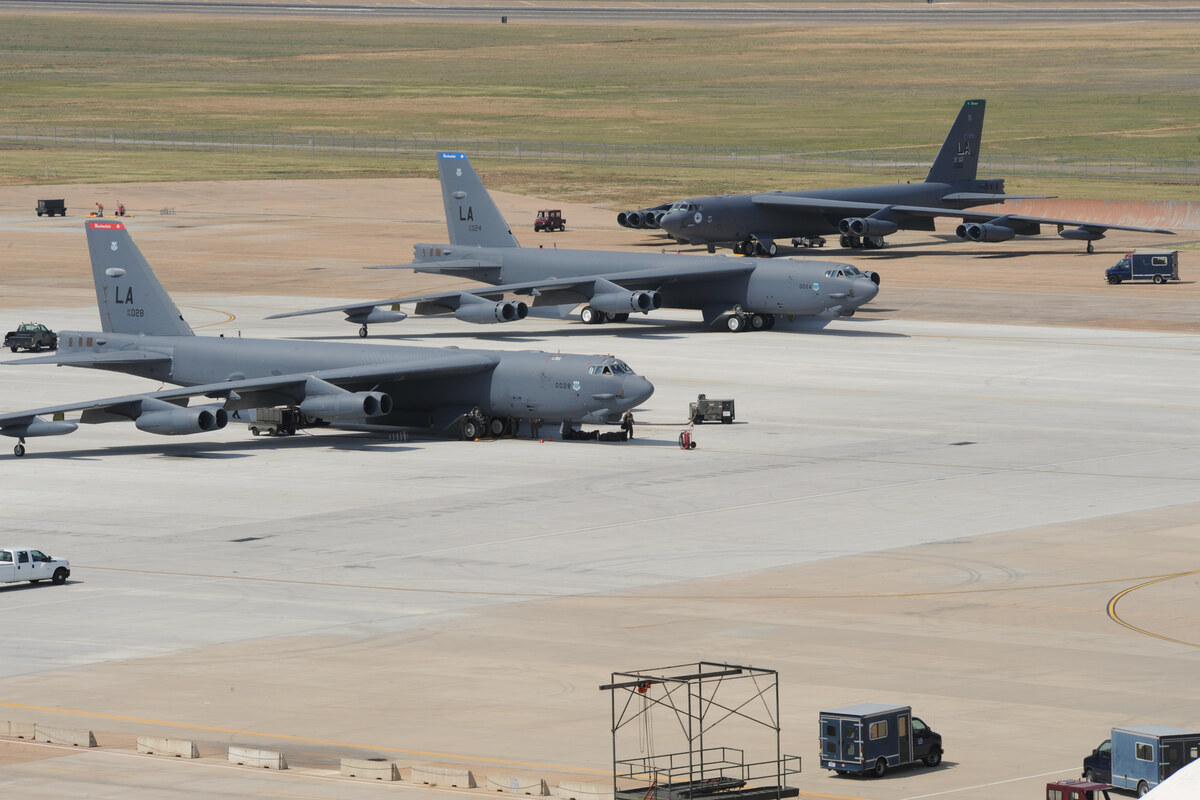
Barksdale's documented environmental issue is PFAS from aqueous film-forming foam used in firefighting and training, and you should know both halves of the record. In 2023 the Air Force environmental management division reported that tested PFAS compounds in the base's treated drinking water were below detectable limits; at the same time, ecological studies have identified PFAS in nearby surface water and sediment. Separately, flight-line work at a bomber base means daily JP-8 exposure from fueling, defueling and maintenance. JP-8 contains benzene, a recognized cause of leukemia, and naphthalene — both absorb through skin as well as lungs.
Linked conditions
Benzene is associated with acute myeloid leukemia, myelodysplastic syndrome, aplastic anemia and other bone-marrow disorders. PFAS is associated with kidney and testicular cancer, thyroid disease and immune effects. Fuel and solvent work is also associated with chronic respiratory and skin conditions.
Facts-found pathway
Facts-found / direct service connection. Neither PFAS nor JP-8 carries a VA presumption. At Barksdale the winning argument is usually occupational rather than geographic — the job you held on the flight line, not the fact that you were stationed there.
Key evidence
Your AFSC (crew chief, fuels, fire protection, aircraft maintenance), flight-line duty logs, bioenvironmental or industrial hygiene survey records for your shop, ILER, and a nexus opinion.
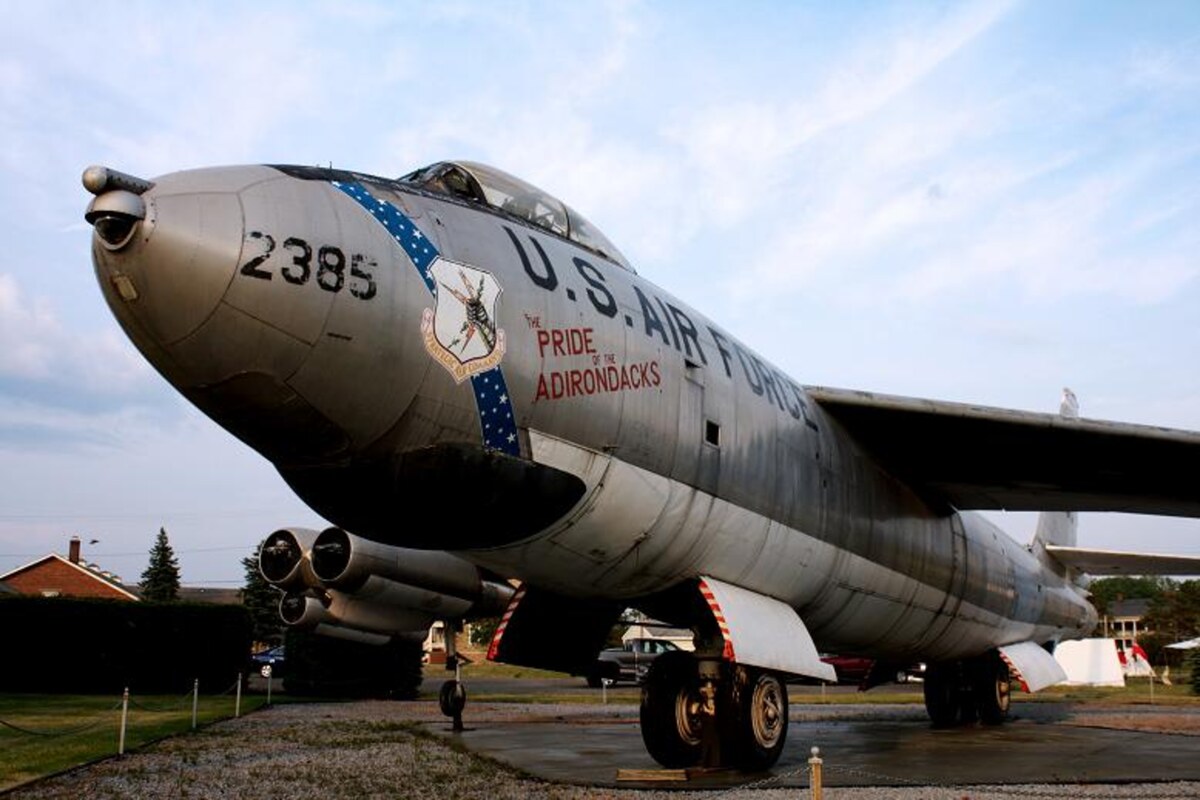
Plattsburgh AFB has been on the National Priorities List since November 1989, after volatile organic compounds were found in monitoring wells. The base operated from 1955 until it closed under BRAC in 1995, and aqueous film-forming foam was in use from about 1970 until closure. PFAS has since been confirmed in soil, groundwater, surface water and sediment above EPA health advisory levels. Private wells within roughly a mile have been sampled and bottled water and granular activated carbon treatment provided, and in 2024 a contract was issued to extend the municipal water line. The remedial investigation continues under a 1991 Federal Facilities Agreement with EPA and New York State oversight.
Linked conditions
PFAS is associated with kidney and testicular cancer, thyroid disease, ulcerative colitis, elevated cholesterol and immune effects. The solvent-class VOCs found in base groundwater are associated with kidney cancer, liver cancer and non-Hodgkin lymphoma.
Facts-found pathway
Facts-found / direct service connection. The NPL record and the Federal Facilities Agreement give you dated, independent documentation — pair it with proof of where on base you lived and worked.
Key evidence
Assignment and base-housing records with dates, the specific area of the base you occupied, the EPA NPL site record and the Air Force PFAS site inspection, and a nexus opinion.
Missile Community Cancer StudyPCBs in launch control centersMinuteman silo and LCC dutyFacts-found claim
Documented exposures
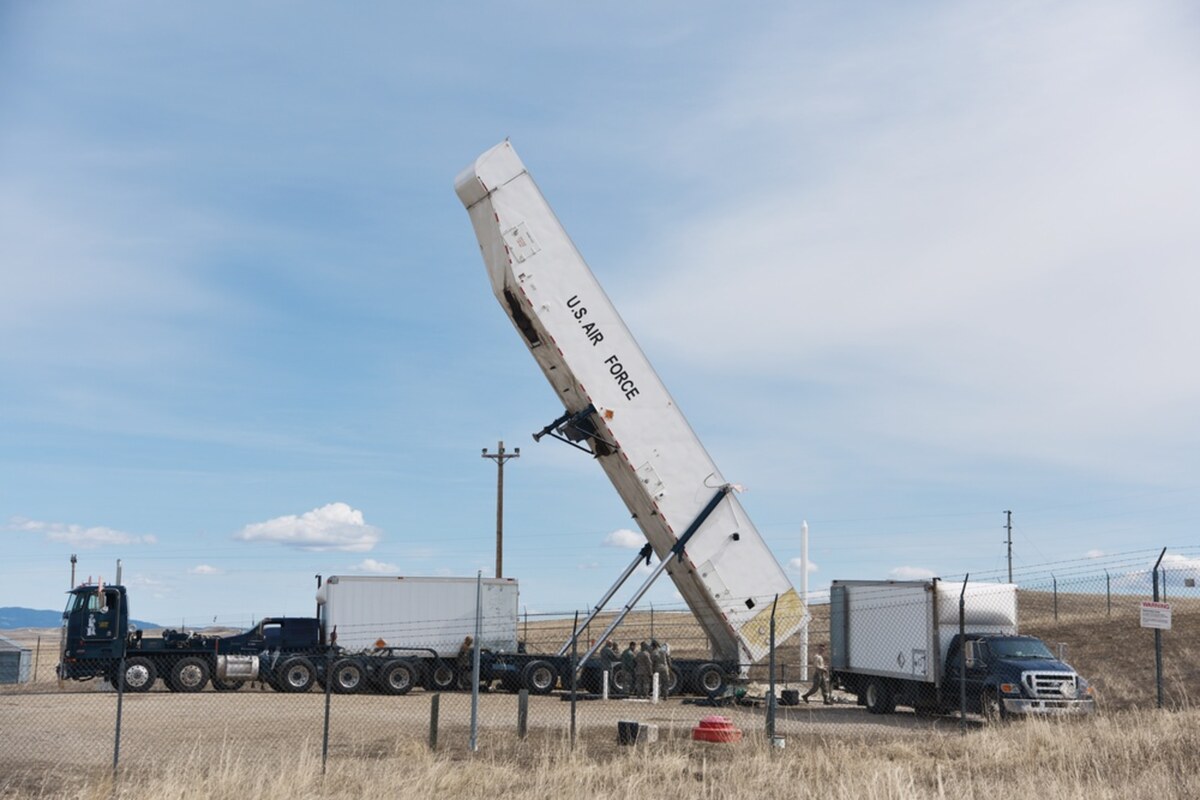
Air Force Global Strike Command opened the Missile Community Cancer Study in early 2023 after missileers raised cancer concerns. Investigators reviewed 148,078 cancer cases among personnel who served in the missile community between 1976 and 2010. PCBs were detected in some launch control centers, prompting mitigation, although toxicologists judged the measured levels to be below occupational exposure limits. Radiation dosimetry practice in the Cold War missile field was inconsistent, and VA now maintains a dedicated missileers exposure page.
Linked conditions
The study found higher rates of testicular cancer and Hodgkin lymphoma than in the broader Air Force, and melanoma rates higher than the U.S. general population. Two findings matter just as much if you want a claim that survives scrutiny: non-Hodgkin lymphoma — the very concern that triggered the study — came in roughly 20 percent LOWER than expected, and overall cancer mortality in the missile community was lower than in the U.S. general population.
Facts-found pathway
Facts-found / direct service connection. Silo and launch-control duty is not a listed radiation-risk activity, so 38 CFR § 3.309(d) does not apply. If your claimed disease is one of the radiogenic diseases in 38 CFR § 3.311, VA must obtain a radiation dose estimate and refer the case for an opinion. And one correction to a claim circulating widely online: the Radiation Exposure Compensation Act does not cover missileers. RECA covers downwinders, onsite participants at atmospheric tests before January 1, 1963, uranium workers from 1942 to 1990, and Manhattan Project waste exposure in specific ZIP codes. It was reauthorized and expanded in July 2025 (Public Law 119-21), and all RECA claims are due by December 31, 2027.
Key evidence
Dosimetry records including DD Form 1141, launch-facility and launch-control-center assignment records, crew rosters, buddy statements from other crew members, ILER, and a nexus opinion.
Soil + groundwater contaminationLeaking chemical storage tanksState-led cleanup, not on NPLFacts-found claim
Documented exposures
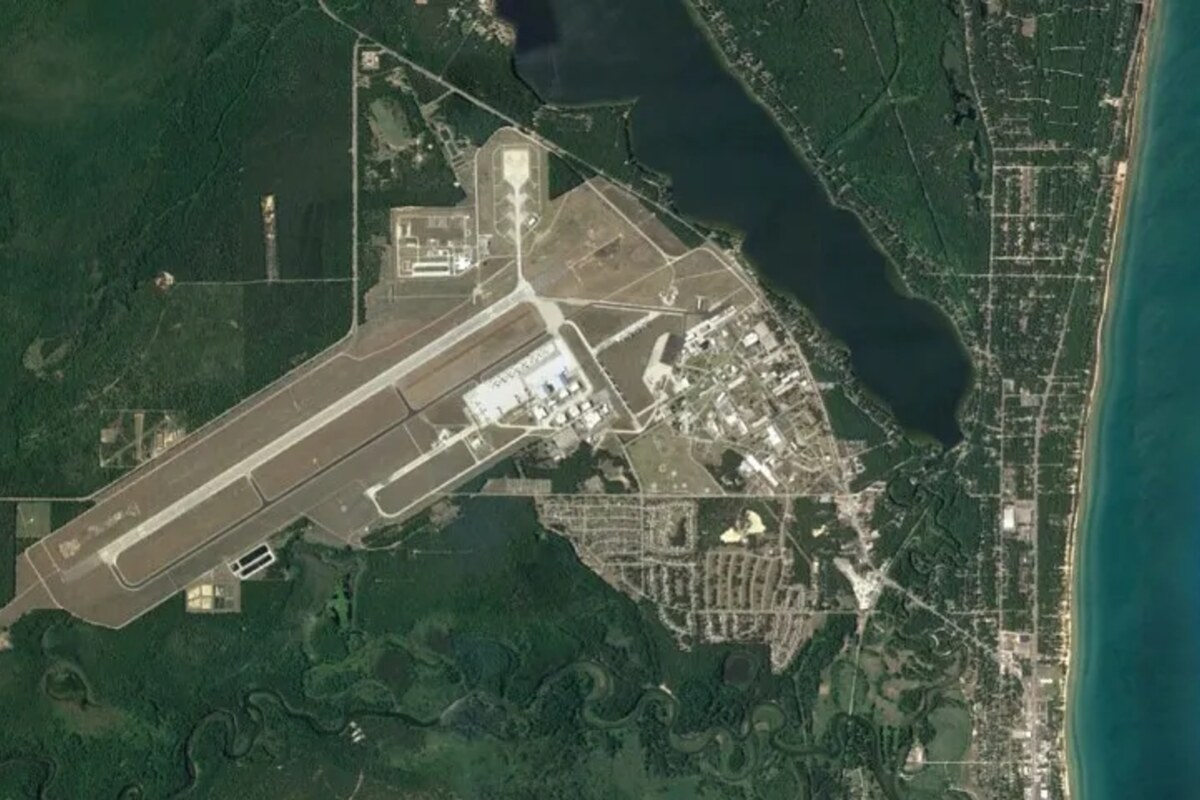
Soil and groundwater contamination at the former Wurtsmith Air Force Base is linked to leaking chemical-storage tanks and waste-disposal operations. The Air Force conducts the cleanup under Michigan state oversight, and the site is not currently on the National Priorities List.
Linked conditions
Do not assume a disease list here. Match the specific contaminant documented for the area where you lived or worked to the medical literature for that contaminant, then build the opinion around it.
Facts-found pathway
Facts-found / direct service connection.
Key evidence
Squadron and shop assignment, base housing and water source, firefighting, fuel or maintenance duties, dates, the Air Force restoration record for that area, and a nexus opinion.
The Navy is investigating PFOA and PFOS from aqueous film-forming foam at both Naval Station Norfolk (Sewells Point) and Norfolk Naval Shipyard; both are Superfund sites. Historical contamination at Sewells Point includes volatile organic compounds, metals, pesticides and PCBs. EPA lists human exposure as under control at both, with groundwater migration data still insufficient to call the plumes stabilized. Asbestos is a different kind of exposure and needs to be argued differently: it comes from the ships and from shipyard work rather than from the base's environmental record — pipe lagging, boiler and engine spaces, and berthing compartments in older hulls. Shore work also involved JP-5, hydraulic fluids and chromate paint systems.
Linked conditions
Asbestos is associated with mesothelioma, asbestosis, pleural plaques and lung cancer. Benzene in fuels is associated with leukemia. PFAS is associated with kidney and testicular cancer and thyroid disease.
Facts-found pathway
Facts-found / direct service connection — and read this carefully, because it is the single most common misunderstanding on Navy claims. There is no presumption of in-service asbestos exposure, and there is no presumptive service connection for mesothelioma or asbestosis. You need three separate things: a current diagnosis, in-service exposure, and a medical nexus opinion that service exposure is at least as likely as not the cause. Even where VA concedes exposure, that satisfies only one of the three elements, and VA will weigh civilian work in construction, insulation or shipyards against your military exposure. Note as well that mesothelioma is specifically excluded from the Agent Orange soft-tissue sarcoma presumption.
Key evidence
Ship's logs and sea-service history, and your rate — boiler technician, machinist's mate, hull technician, engineman and damage controlman all support an asbestos exposure history — plus any ship asbestos survey, civilian work history addressed head-on, and a nexus opinion.
PFAS plume in drinking water1,4-dioxane — Area 6 LandfillAult Field + OLF CoupevilleFacts-found claim
Documented exposures
PFAS from aqueous film-forming foam used in firefighting training at Ault Field and Outlying Field Coupeville has reached the island aquifer. Hundreds of public and private drinking-water wells have been sampled; a portion exceeded federal health advisory levels, some at thousands of parts per trillion, and the Navy has supplied bottled water to affected residents. 1,4-dioxane has also been identified moving from the base's Area 6 Landfill, a former industrial and household chemical waste disposal site. The remedial investigation is ongoing with EPA involvement. Whidbey sits on a single-source aquifer, which is why the plume matters so much locally — and why a drinking-water pathway is genuinely arguable here.
Linked conditions
PFAS is associated with kidney and testicular cancer, thyroid disease, ulcerative colitis, elevated cholesterol, immune effects and developmental effects in children. 1,4-dioxane is classified as a likely human carcinogen.
Facts-found pathway
Facts-found / direct service connection. There is no VA presumption for PFAS. What Whidbey gives you that most PFAS bases do not is a documented drinking-water pathway — use it, and be specific about which well field served your housing.
Key evidence
Base housing address and dates (which well field served you matters), duty section, firefighting or crash-crew records, the Navy PFAS drinking-water investigation results for your area, ILER, and a nexus opinion.
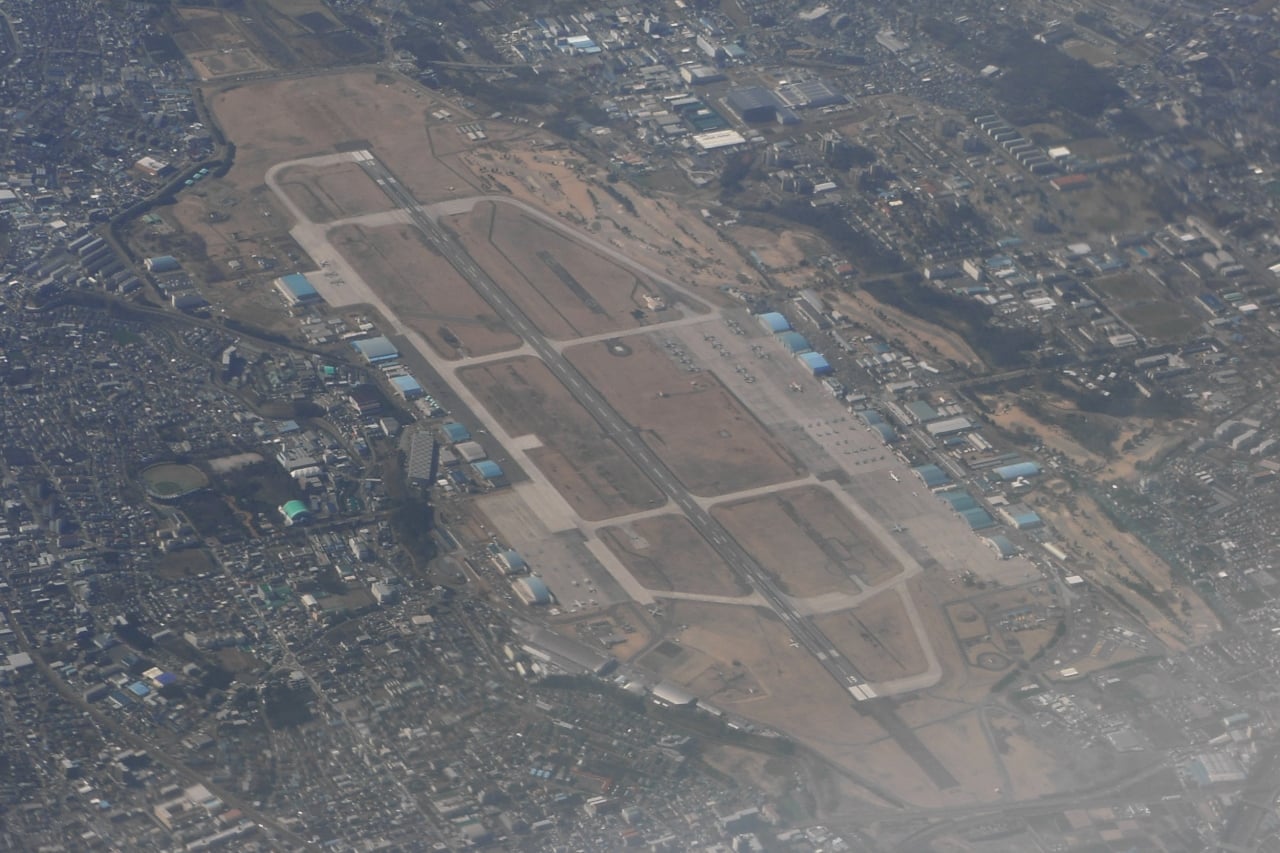
Contaminant profile not verifiedSeparate regional from occupationalFacts-found claim
Documented exposures
The research this site relies on does not verify a specific official contaminant profile for Atsugi, and we will not invent one. Keep regional environmental conditions separate from shop, hangar, aircraft and occupational exposures — they are different arguments with different evidence.
Linked conditions
Determined by the contaminant you can actually document. Use Navy and DoD restoration records, air monitoring data, unit and housing location, and your actual duties.
Facts-found pathway
Facts-found / direct service connection.
Key evidence
Navy and DoD restoration records, air monitoring records, unit and housing location, duty and shop assignment, dates, and a nexus opinion.
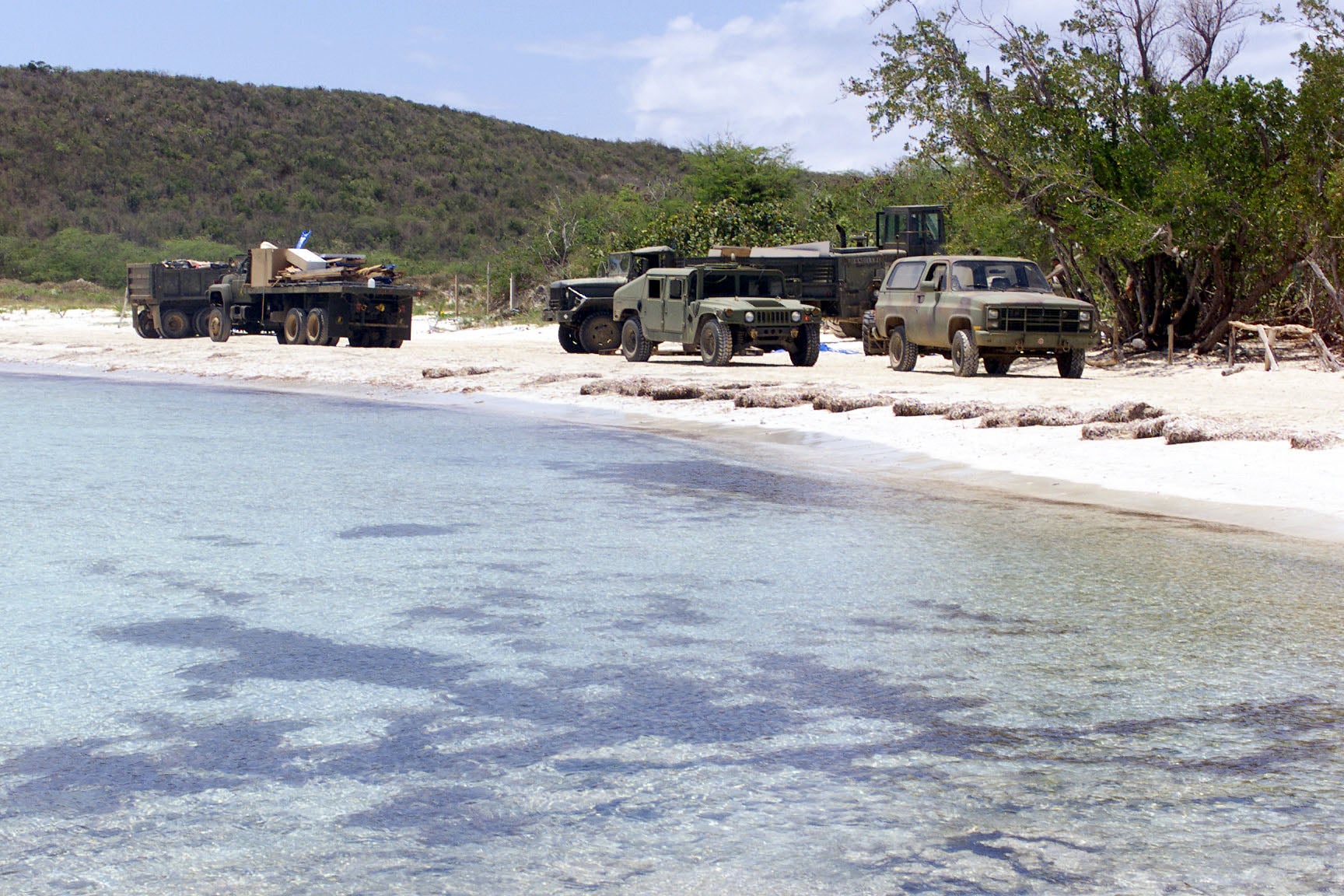
The research does not assert a verified contaminant list, period or pathway for Vieques, so this entry will not give you one. Work from official Navy, EPA, DoD restoration, munitions-response and public-health records for the exact area and dates you were there.
Linked conditions
Determined by the documented contaminant and route of exposure for your assignment and worksite.
Facts-found pathway
Facts-found / direct service connection.
Key evidence
Assignment, range activity, worksite, dates, route of exposure, the Navy or EPA munitions-response record for that area, and a nexus opinion.
Where the presumptions actually live: burn pits, herbicide locations, and one-off industrial releases.
Covered service on or after September 11, 2001
Bagram Airfield
Parwan Province, Afghanistan
Presumptive — 38 CFR § 3.320Open burn pitsPM2.5 and regional dustOEF era
Documented exposures
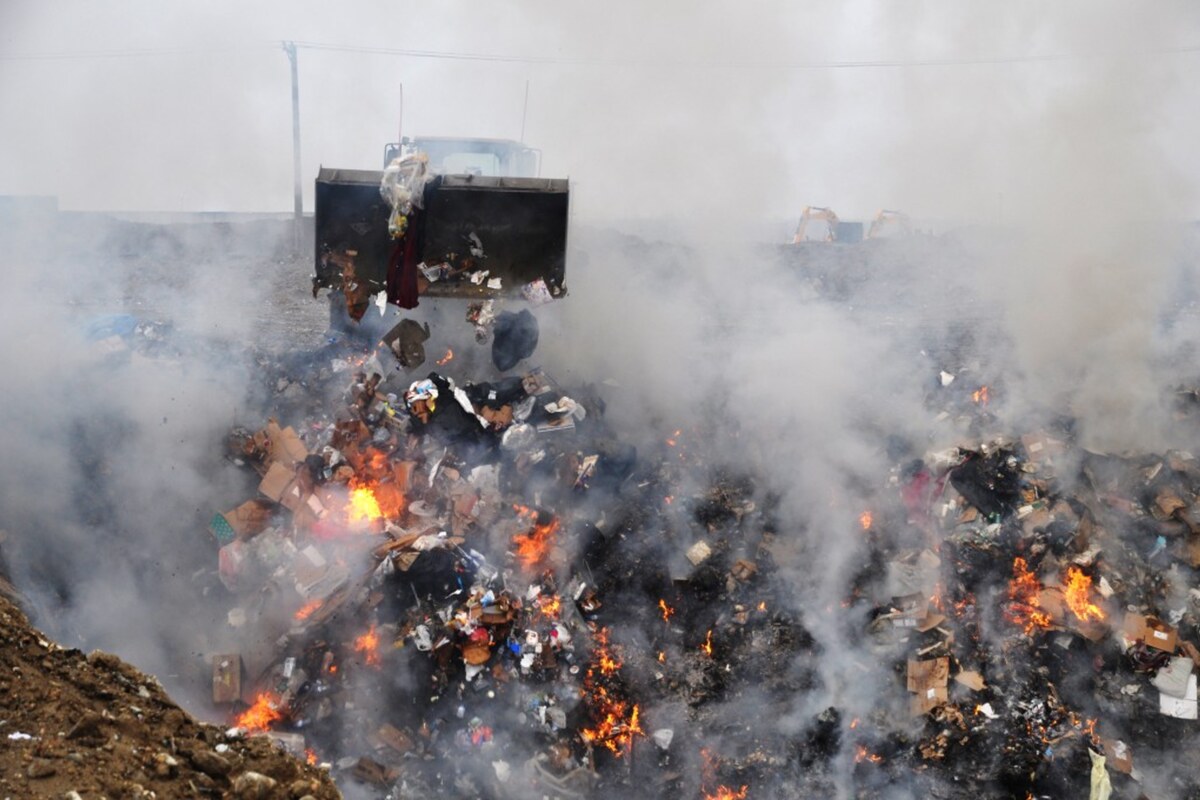
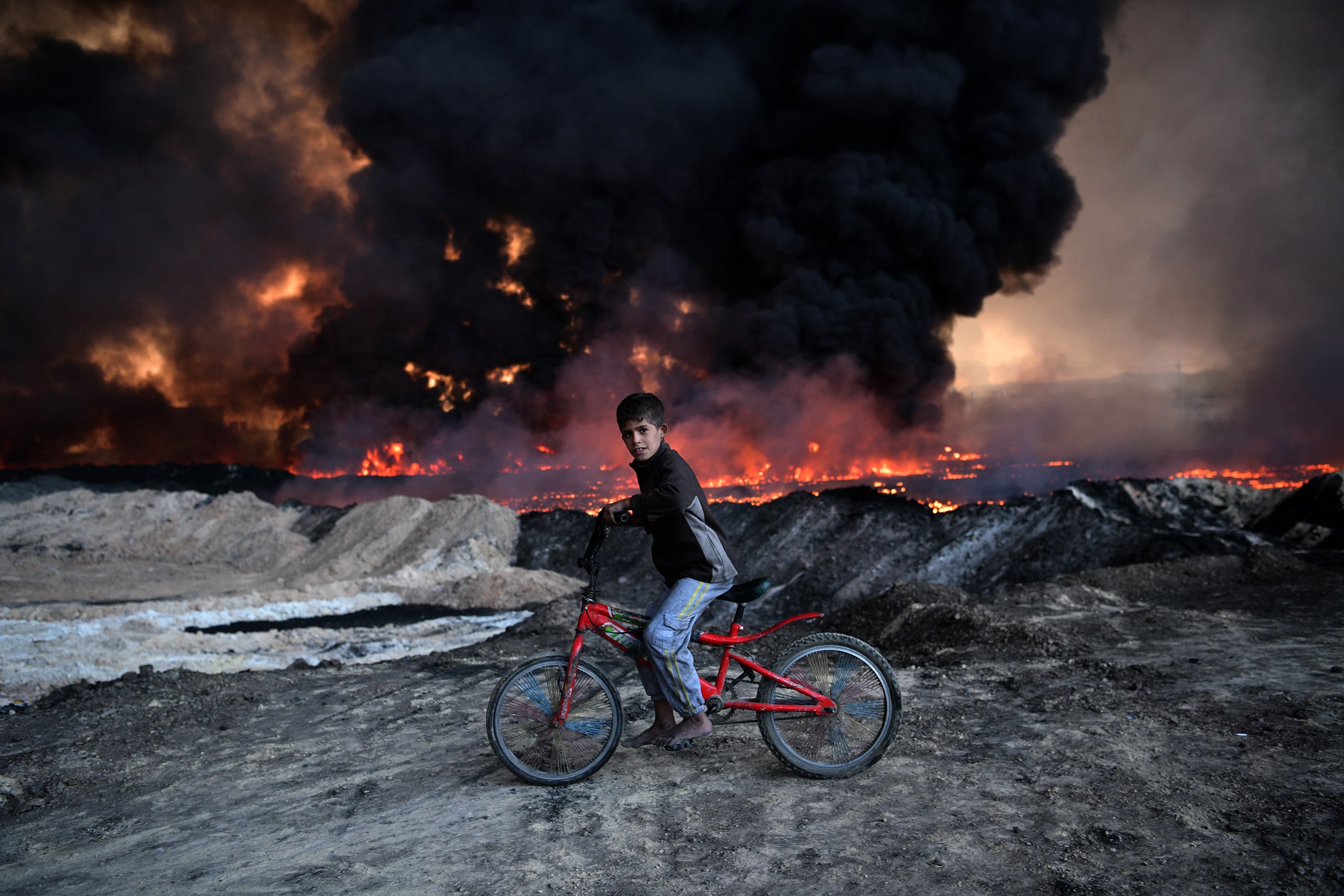
Bagram ran one of the largest open burn pits in theater. Reported volumes vary by year and source, so here are the figures that are actually documented: roughly 300 tons of trash a day were burned in pits in 2009, while by 2018 the base generated about 70 tons of waste a day, most of it sorted and incinerated. Jet fuel was commonly used as an accelerant. Waste streams included plastics, medical waste, batteries, aerosol cans, tires, vehicle parts, construction debris and human waste. A 2011 Army memo about Bagram specifically warned that the smoke plume exposed personnel to contaminants and raised the risk of reduced lung function, chronic bronchitis, asthma and cardiovascular disease. Bagram closed its last open burn pit in 2014. Regional dust also carried silica, heavy metals and microbial material.
Linked conditions
The presumptive respiratory illnesses under 38 CFR § 3.320 are asthma diagnosed after service, chronic bronchitis, COPD, chronic rhinitis, chronic sinusitis, constrictive or obliterative bronchiolitis, emphysema, granulomatous disease, interstitial lung disease, pleuritis, pulmonary fibrosis and sarcoidosis. The presumptive cancers cover brain and central nervous system, all respiratory cancers, any gastrointestinal cancer, genitourinary cancers, head and neck cancers, lymphoma of any type, hematologic cancers, acute and chronic leukemia, multiple myeloma, myelodysplastic syndromes, myelofibrosis, melanoma and other skin cancers. You still need the diagnosis — the presumption covers causation, not diagnosis.
Presumptive pathway
Presumptive. Service in Afghanistan on or after September 11, 2001 is a covered location and period under 38 CFR § 3.320, along with Djibouti, Egypt, Jordan, Lebanon, Syria, Uzbekistan, Yemen and the airspace above them.
Key evidence
Deployment orders and a DD Form 214 or DD Form 220 showing Afghanistan service and the dates, plus the diagnosis. You do not have to prove you stood next to the pit.
Burn pits at Camp Taji and the Victory Base Complex around Baghdad International Airport are documented in Defense Department and Government Accountability Office records. Waste burned included food waste, plastics, Styrofoam, electronics, batteries, tires and medical waste, and audits found prohibited materials routinely entered the burn stream despite CENTCOM guidance. VA Airborne Hazards and Open Burn Pit Registry data show that 88 percent of deployments to Camp Taji reported close proximity to the burn site, and a Periodic Occupational and Environmental Monitoring Summary exists for Taji. Ambient air monitoring was frequently unable to separate burn-pit emissions from dust storms, vehicle exhaust and regional industry — which is exactly why the presumption exists.
Linked conditions
The same 38 CFR § 3.320 list applies — the respiratory illnesses and the presumptive cancers. One practical note: the symptoms veterans reported on site, such as chronic cough, headaches, sore throat, eye irritation and rashes, are not themselves ratable. The ratable claim is the diagnosed disease that followed.
Presumptive pathway
Presumptive. Service in Iraq on or after August 2, 1990 is a covered location and period under 38 CFR § 3.320, along with Bahrain, Kuwait, Oman, Qatar, Saudi Arabia, Somalia, the United Arab Emirates, the Iraq-Saudi Arabia neutral zone and the airspace above them.
Key evidence
Deployment orders and a DD Form 214 showing Iraq service inside the covered period, plus the diagnosis.
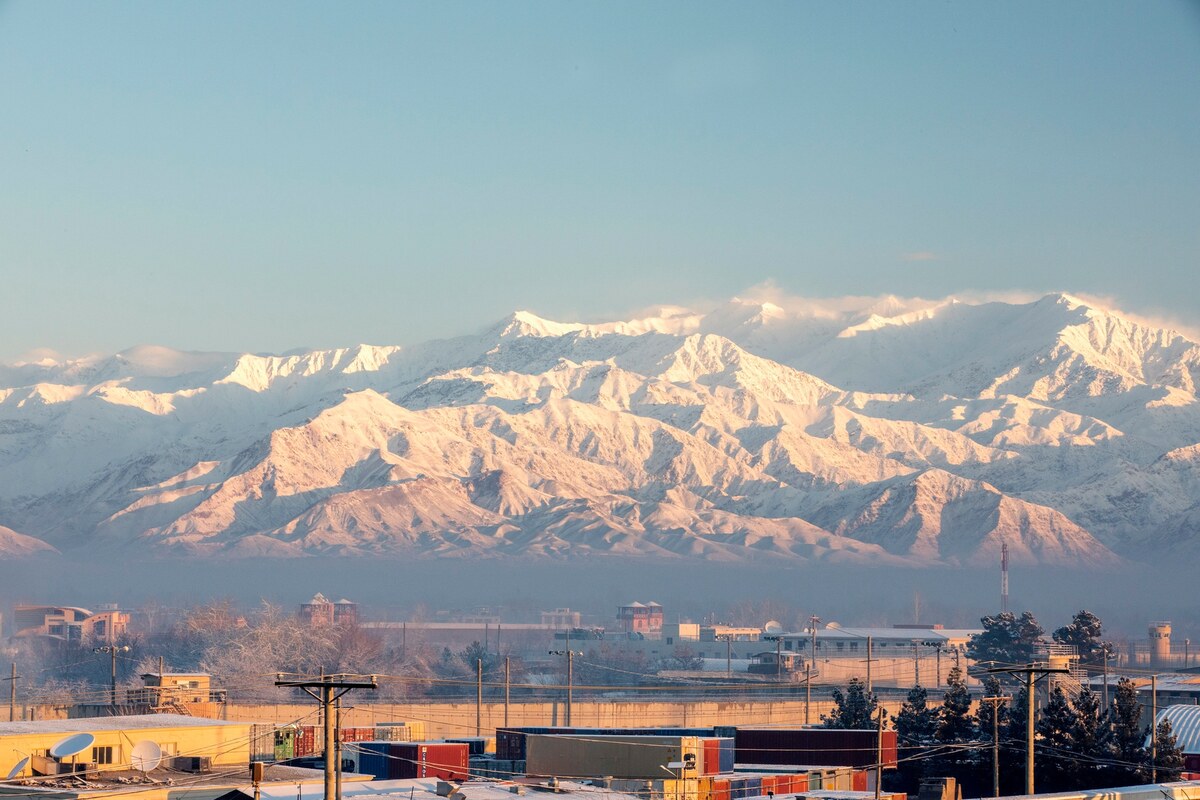
Uzbekistan is a covered locationSite profile not verifiedUse DoD sampling records
Documented exposures
Uzbekistan is a designated covered location, but a contaminant-by-contaminant profile for K2 is not verified by the research this site relies on. Do not build a claim on the uncited generic chemical lists circulating online — use DoD sampling records, ILER material, unit reports and your exact duty and tent location on the base.
Linked conditions
The 38 CFR § 3.320 presumptive list applies to covered service in Uzbekistan on or after September 11, 2001. Anything outside that list needs a diagnosis-specific analysis on documented exposure.
Presumptive pathway
Presumptive for the listed conditions based on covered service; facts-found / direct for everything else.
Key evidence
Deployment orders showing Uzbekistan and the dates, tent or work-area location on the base, unit reports, DoD sampling records, ILER, and the diagnosis.
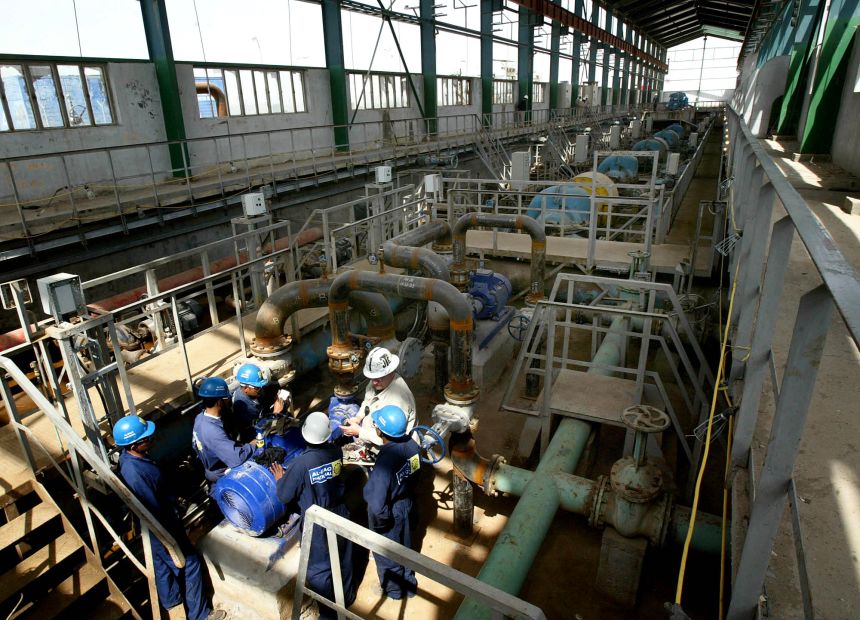
Sodium dichromate dust containing hexavalent chromium was present at the Qarmat Ali water-treatment facility, where approximately 830 U.S. service members were potentially exposed while providing site security and support in 2003.
Linked conditions
High, prolonged hexavalent chromium exposure can cause lung cancer. Nasal, skin and respiratory injury are documented concerns, and acute symptoms recorded at the time are valuable evidence.
Facts-found pathway
Facts-found / direct service connection, and highly task-specific. This is a claim built on where you physically stood and for how long.
Key evidence
Onsite guard or work dates, whether you saw opened bags or yellow dust, your route through the site, what protection you were issued, acute symptoms at the time, buddy statements, and a nexus opinion.
Sulfur dioxide released by the Al-Mishraq mine fire is a pulmonary toxin capable of airway injury. Because it was a single, dated event, plume proximity and unit position carry unusual weight in the claim.
Linked conditions
Early constrictive-bronchiolitis clusters were associated with the event. Be aware that the disease also occurs without Mishraq exposure, so the opinion has to address that directly.
Facts-found pathway
Facts-found / direct service connection, plus diagnosis review under the PACT Act provisions for covered Iraq service.
Key evidence
Unit position and plume proximity, exact dates, acute symptoms, any evacuation, concurrent inhalant exposures, and a nexus opinion.
January 9, 1962 – July 31, 1980, depending on location
Vietnam & the Agent Orange Locations
Vietnam · Korean DMZ · Thailand · Laos · Cambodia · Guam & American Samoa · Johnston Atoll
Presumptive — 38 CFR § 3.307(a)(6)Agent Orange / TCDD dioxinLocation AND dates must matchC-123 aircrews included
Documented exposures
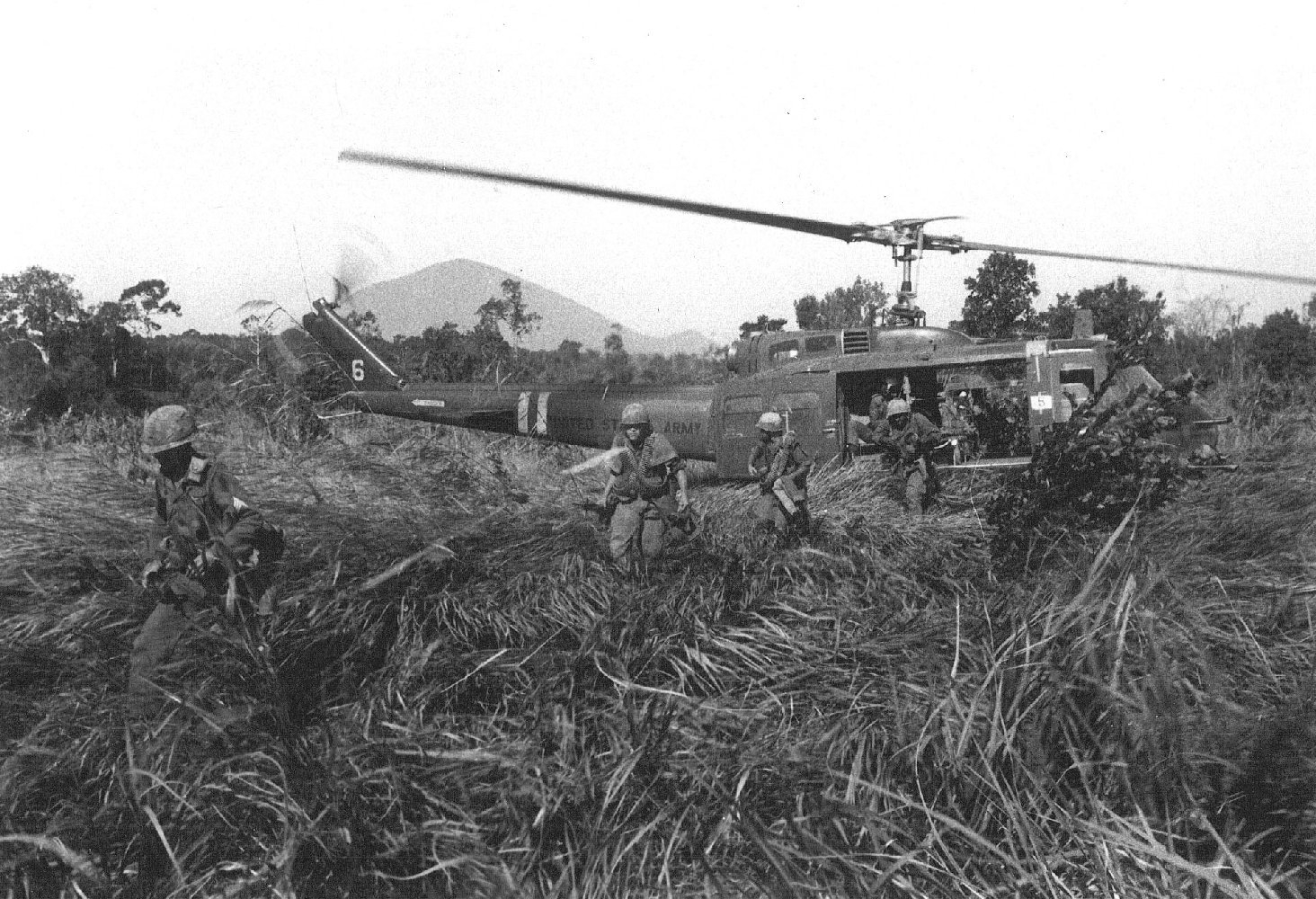
Herbicides containing the dioxin TCDD were sprayed and stored at a defined set of locations during defined periods, and presumed exposure requires your service to fall inside one of them. The Republic of Vietnam including inland waterways, and vessels operating within 12 nautical miles of Vietnam and Cambodia: January 9, 1962 to May 7, 1975. U.S. or Royal Thai bases in Thailand: January 9, 1962 to June 30, 1976. Laos: December 1, 1965 to September 30, 1969. Cambodia at Mimot or Krek in Kampong Cham Province: April 16 to April 30, 1969. Guam, American Samoa and their territorial waters: January 9, 1962 to July 31, 1980. Johnston Atoll or a ship that called there: January 1, 1972 to September 30, 1977. The Korean demilitarized zone: September 1, 1967 to August 31, 1971 — roughly 21,000 gallons were applied along the DMZ in 1968 and 1969 by Republic of Korea personnel. Certain C-123 aircrew, maintenance and medical evacuation personnel who worked on contaminated aircraft between 1969 and 1986 are also covered.
Linked conditions
Presumptive: bladder cancer; chronic B-cell leukemias; Hodgkin's disease; multiple myeloma; non-Hodgkin lymphoma; prostate cancer; respiratory cancers of the lung, larynx, trachea and bronchus; soft tissue sarcomas excluding osteosarcoma, chondrosarcoma, Kaposi's sarcoma and mesothelioma; AL amyloidosis; chloracne; type 2 diabetes; hypertension; hypothyroidism; ischemic heart disease; monoclonal gammopathy of undetermined significance; parkinsonism; Parkinson's disease; early-onset peripheral neuropathy; and porphyria cutanea tarda. Three of those — chloracne, early-onset peripheral neuropathy and porphyria cutanea tarda — must have reached at least 10 percent disabling within one year of your last exposure.
Presumptive pathway
Presumptive under 38 CFR § 3.307(a)(6) and § 3.309(e). If your location and your dates both match, exposure is presumed and you do not need a nexus opinion or buddy statements for a listed disease. Read the Korean DMZ window carefully — it opens September 1, 1967, not 1968, and closes August 31, 1971. The wrong year in a claim is the fastest way to a denial.
Key evidence
DD Form 214, orders, unit records or ship deck logs establishing the location and the exact dates, plus the diagnosis.
Use the site record to identify a hazard, then overlay your unit, worksite, housing, dates, route and actual duties. A cleanup record is a starting point, not the finish line — the claim is won on the overlay.
Evidence map
Select a marker
1917–1999
Fort McClellan
Alabama, USA · Facts-found / direct service connection
No static directory is a complete inventory. Cleanup boundaries, records, and exposure pathways change over time — and thousands of installations have environmental records that never make a list like this one.
Do these in this order
What to do if you served at one of these bases
01
Request your ILER
Your Individual Longitudinal Exposure Record ties your assignments to each installation’s documented exposure history. Get it through My HealtheVet under VA Medical Records, or ask the Environmental Health Coordinator at your VA facility. My HealtheVet help desk: 877-327-0022
A Toxic Exposure Risk Activity determination is a finding about what you did — the duties and activities that put you near a hazard — not about whether your base appears on a legal list. It is a separate thing from a presumption, and it is not a substitute for one. Request it through your service branch records center, then read the wording carefully: a TERA concession is not a nexus concession, and a decision can quietly narrow what TERA actually conceded.
You have to be enrolled to get the toxic exposure screening and to build a VA medical record that reflects your exposure history. Health benefits line: 877-222-8387
04
Request a toxic exposure screening
Your primary care team can order it, or ask your facility for its Toxic Exposure Screening Navigator by name. It takes five to ten minutes and creates a dated VA record that you raised exposure concerns — critical evidence years later. It is not an exam, not a claim, and not required before filing.
05
You are probably already in the burn pit registry
Since August 1, 2024, VA and the Defense Department enroll eligible veterans automatically from deployment records — service between August 2, 1990 and August 31, 2021 in the listed operations and locations. You do not need to sign up, and you do not need symptoms or known exposure to be included. Two things nobody tells you: being in the registry is not evidence of exposure, and it is not required to file a claim. To check your status, ask your VA facility’s Environmental Health Coordinator.
06
Talk to an accredited agent
Base-specific evidence strategy requires someone who knows which regulatory pathway applies to your installation, your era, and your condition. Call: 702-992-4883
Your base is in the record. Is your claim?
The documentation already exists connecting your installation to toxic exposures. What is missing is connecting you to it. That is where an accredited claims agent makes the difference.
Albert Leroy Thombs Jr. · VA-accredited claims agent #45147 · 702-992-4883
No representation until VA Form 21-22a is on file.
Turn this page into an appointment
How to get seen about this
Reading a symptom list changes nothing on its own. A dated note in your medical record does — for your health first, and years later for a claim. Below is every route to an appointment, the phrase that gets your exposure history written down, and the numbers to dial. Nothing on this page is a diagnosis, and none of it replaces your doctor.
Some things do not wait for a scheduler
Chest pain or pressure lasting more than a few minutes, or chest pain with sweating, nausea, or pain spreading to the jaw or arm
Sudden trouble breathing, or breathlessness while sitting still
Face droop, weakness or numbness on one side, slurred speech, or sudden confusion
Coughing up or vomiting blood, or bleeding that will not stop
A first seizure, or fainting you cannot explain
Call 911 or go to the nearest emergency room. Do not wait to reach a VA facility first, and do not drive yourself. Tell VA as soon as you can afterward — VA asks to be notified within 72 hours of emergency care received in the community — and keep every discharge paper and bill.
Call your VA medical center
Fastest
Calling your own VA facility is the quickest way to get an appointment. VA Health Connect gives you round-the-clock phone access to a scheduler, a nurse, and in many regions a provider.
Do not know your facility's number? Call MyVA411 at 800-698-2411, any hour, and ask to be connected to your VA medical center's scheduling line.
Say you are an established patient if you already have a primary care provider, and ask for the next available appointment with that provider.
If nothing is available soon, ask to be added to the cancellation list and ask whether a nurse can advise in the meantime.
Call VET-HOME — VA's exposure team
Exposure-specific
833-633-8846, Monday to Friday, 9:00 a.m. to 7:30 p.m. ET. VET-HOME stands for Veterans Exposure Team — Health Outcomes Military Exposures, and it exists for exactly this conversation.
Say: I want a military environmental exposure assessment. The intake center schedules you with a clinician specially trained in military environmental exposures — by telehealth, so it does not matter how far you live from a medical center. Any veteran enrolled in VA health care, anywhere in the United States or its territories, can use it.
The clinician documents your exposure history, answers exposure-related questions, and recommends follow-up. If labs, imaging, breathing tests, or a specialty consult are needed, they say so. Afterward VA mails you a letter with your results, what they mean, and the recommendations.
Two limits, so you are not surprised: VET-HOME clinicians do not prescribe medication and do not complete disability claim forms. What they produce is a dated VA record of your exposure history — which is the piece most claims are missing.
They also handle the environmental health registry evaluations, and those do not require VA health-care enrollment. If you would rather be seen in person, ask for the environmental health coordinator at your own facility instead — the list is further down this site's Talk To Your Doctor page.
Schedule online or message your care team
Sign in on VA.gov to schedule or request many appointments yourself. What you can book online depends on your facility and the type of care.
You can also send your care team a secure message through My HealtheVet. Use it for non-urgent things — replies typically take up to three business days.
Secure messaging is not for anything urgent. If you need an answer today, call instead.
Locked out or cannot find the option? The My HealtheVet help desk is 877-327-0022.
Not enrolled in VA health care yet
Call the VA Health Benefits Hotline at 877-222-8387, Monday to Friday, 8:00 a.m. to 8:00 p.m. ET, and say you want to enroll in VA health care.
Enrollment is what unlocks VA primary care and the toxic exposure screening. Under the PACT Act many veterans who were turned away years ago are now eligible, so do not assume an old answer still applies.
Enrolling does not mean giving up your own doctor. Plenty of veterans keep a civilian provider and use VA alongside it.
Enrolling in health care is separate from filing a disability claim. One does not require the other.
You see a civilian or private doctor
Ask the front desk for the next available appointment and tell them why: a symptom that has lasted weeks, plus chemical and airborne exposure during military service.
Bring this page, or write the exposures and years on one sheet of paper. Hand it over and ask for it to be scanned into your chart.
A community provider can order tests, refer you, and write your exposure history down — all of which helps. What they cannot do is VA's toxic exposure screening, which only happens inside VA's own record system.
Ask for a copy of the visit note and every result. Those copies are yours, and they are what a claim is eventually built from.
If you are in crisis right now
24/7
Dial 988 and press 1, or text 838255. The Veterans Crisis Line is staffed around the clock.
You do not need to be enrolled in VA health care, and you do not need a service-connected rating, to use it.
You can also start a confidential chat from VA's crisis line website, or ask any VA staff member to walk you to someone.
Ask for your toxic exposure screening
The PACT Act requires VA to offer this to every veteran enrolled in VA health care. It takes about five to ten minutes, and it is the cheapest way to get your exposure history into VA's own record in VA's own words.
What it is
A short set of questions asking whether you believe you were exposed to open burn pits and other airborne hazards, Agent Orange, radiation, Gulf War-related hazards, or contaminated water at Camp Lejeune.
Who can get it
Every veteran enrolled in VA health care. If you are not enrolled yet, enrollment comes first — call 877-222-8387.
How often
An initial screening, then at least once every five years. If you answer that you do not know whether you were exposed, VA schedules you again a year later.
How to get one
It is often done during a primary care or specialty visit — but you can ask for it sooner. Ask your primary care team directly, or ask your facility for its Toxic Exposure Screening Navigator by name.
What it is not
It is not an exam for any specific illness, and it is not part of the disability claims process. It is optional, and declining it does not affect your health care or your benefits.
Why bother
It creates a dated VA record that you raised military exposure. Years later, that entry is evidence that the concern predated the diagnosis.
A civilian or community provider cannot perform this screening — it lives inside VA's own health record. If you only see a private doctor, that is a reason to enroll in VA health care as well.
The burn pit registry: you are probably already in it
Since August 1, 2024, VA and the Defense Department enroll eligible veterans and service members in the Airborne Hazards and Open Burn Pit Registry automatically, from deployment records. For most people there is nothing to sign up for.
Automatic enrollment covers service between August 2, 1990 and August 31, 2021 in the listed operations and locations — Desert Shield, Desert Storm, Iraqi Freedom, Enduring Freedom and New Dawn, the Southwest Asia theater, Egypt, Afghanistan, Djibouti, Jordan, Lebanon, Syria, Uzbekistan, Yemen, and the associated airspace and waters.
You do not need to have been knowingly exposed, and you do not need any current health problem, to be included.
If you enrolled yourself before the redesign, your enrollment carried over. There is nothing to redo.
To check your status, contact the Environmental Health Coordinator at your VA facility.
The registry holds deployment and demographic data only. No medical information is stored in it.
Participation is optional and you can opt out. Being in the registry is not required to file a claim, and it does not affect your eligibility for care or benefits either way.
Being in the registry is not evidence of exposure on its own, and it is not a claim. Treat it as a research tool, and do not let anyone tell you a claim depends on it.
What to take with you
A one-page list of the chemicals and hazards you worked around, with the years and the base or ship
Your job title and MOS or rating, written the way the military wrote it
The symptoms that brought you in, and roughly when each one started
Any breathing tests, blood work, or imaging you already have, including from civilian doctors
A short list of what you want out of the visit — usually: document the exposure, order these tests, refer me
Someone who has watched the change in you, if memory or breathing is the concern
Write the installation you served at and the job you did there at the top of that sheet, in the words the military used for it.
Before you leave, and afterward
Ask for a copy of the visit note before you leave, and actually read it.
Check that your exposure history is in the note. If it is missing, say so and ask for it to be added — politely, but ask.
Get a copy of every test result, including the numbers, not just the word normal.
Keep your own folder. Paper you hold is worth more than paper you assume exists somewhere.
If a symptom persists after a normal test, go back. A normal result rules out some things, not everything.
The numbers, in one place
VET-HOME — VA's exposure team
833-633-8846
Monday to Friday, 9:00 a.m. to 7:30 p.m. ET
The number to call about a military environmental exposure specifically. VET-HOME books a free telehealth evaluation with a clinician trained in military exposures, and that clinician writes your exposure history into your VA record. Say you want a military environmental exposure assessment.
MyVA411 — VA main line
800-698-2411
24 hours a day, 7 days a week
The one number to call if you do not know who to call. Ask to be put through to your VA medical center's scheduling line, or press 0 for a person.
VA Health Benefits Hotline
877-222-8387
Monday to Friday, 8:00 a.m. to 8:00 p.m. ET
Enrolling in VA health care, health-care eligibility, VA medical bills, and community care billing.
Veterans Crisis Line
988, then press 1
24 hours a day, 7 days a week
Any crisis, and you do not need to be enrolled in VA health care to use it. You can also text 838255.
My HealtheVet help desk
877-327-0022
Monday to Friday
Trouble signing in, secure messaging, or online scheduling.
VA Benefits Hotline
800-827-1000
Monday to Friday, 8:00 a.m. to 9:00 p.m. ET
Claims, ratings, and back pay — the benefits side rather than the medical side.
TTY
711
Relay service
If you are deaf or hard of hearing.
These are VA's own published lines. If a number ever gives you a runaround, MyVA411 at 800-698-2411 will transfer you — it is staffed every hour of every day.
Straight from the VA
The VA on Camp Lejeune
Camp Lejeune is the installation the VA has said the most about on camera. Both videos below are the agency’s, including its explanation of how the lawsuit route differs from a disability claim.
Camp Lejeune VA Health and Disability Benefits
The VA on health care and disability benefits tied to Camp Lejeune service.
Source: U.S. Department of Veterans Affairs
Camp Lejeune Lawsuit, Disability & Health Care | Water Contamination | Toxic Water | theSITREP
The water contamination, and how the lawsuit route differs from a VA disability claim.
Source: U.S. Department of Veterans Affairs
These videos are published by the U.S. Department of Veterans Affairs and are embedded here unedited. They are the agency’s own explanation of its rules, not ours, and they are not legal or medical advice. If what the VA said on camera does not match what your decision letter says, that gap is worth a conversation.
Both options are free · No obligation
Not sure where you stand? Let us look at it.
Tell us what happened and what the VA said. An accredited agent reads it and tells you honestly what he sees — no cost, no obligation. When you are ready to have us fight it, register and we start.
An accredited agent personally reviews every request — we’ll reach out within 48 hours. Or call 702-992-4883.
Both options are free · No obligation
Two ways to work with us — both free
Talking to a VA-accredited claims agent costs nothing either way. Pick the one that fits: get answers to your questions, or register to hire us to take on your claim.
Free information — just ask
You can ask Albert, our AI claims assistant, anything about exposure, evidence, or the claims process — he answers instantly. If you would rather have a direct, personal answer, send your question below and an accredited agent will come back to you. No cost, no obligation.
Or send your question
Ready to hire us? Register with us
For veterans who have decided they want us on their claim. Registering is free too, and it takes the registration form plus a signed VA Form 21-22a.
Until VA Form 21-22a is signed we cannot accept your claim, access your VA file, or do any work on your behalf. That is federal law, not firm policy.
What happens after you register
You register. This simply starts the conversation — you are not our client yet, and you owe us nothing.
You sign and return VA Form 21-22a. It appoints us as your accredited representative and gives us access to your VA file.
Once we have your signed 21-22a and access to your case, we verify everything is in order.
We review your case in full and conduct your interview with an accredited agent.
Only then do YOU decide whether to move forward with us. If you choose not to, we will not proceed on your behalf — no pressure, no obligation.