

Agent Orange and TCDD
The PACT Act expanded qualifying locations and added hypertension and MGUS to the herbicide presumptive list.
Vietnam-era analysis includes Agent Orange and other tactical herbicides, the TCDD dioxin contaminant, shipboard asbestos, fuels, solvents, lead, coatings, and combustion products.

The PACT Act expanded qualifying locations and added hypertension and MGUS to the herbicide presumptive list.

Ship, compartment, overhaul period, insulation disturbance, ventilation, and actual maintenance task are more probative than Navy service alone.
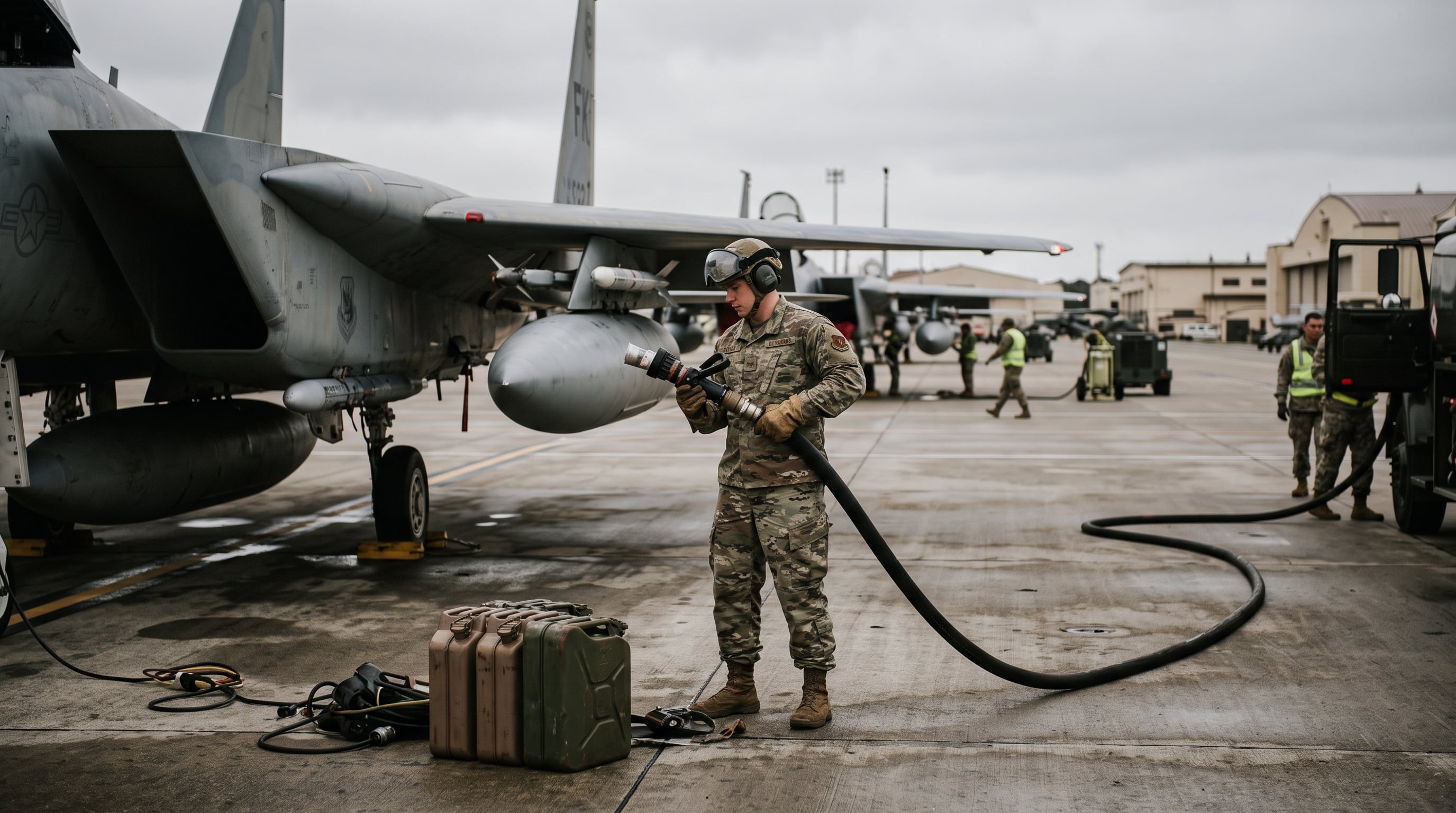
Aircraft, vehicle, vessel, and equipment work may create inhalation and dermal pathways that require task-specific reconstruction.
VA walks through the diseases it accepts as linked to herbicide exposure. Watch it with your own diagnoses in front of you. If one of yours is on that list and your service fits, the claim is presumptive and you do not owe VA a nexus opinion. If it is not on the list, you are in a direct, facts-found claim instead, and the evidence you need is different.
Source: U.S. Department of Veterans Affairs, official channel
Nobody argues about boots on the ground anymore. Set foot in Vietnam between January 9, 1962 and May 7, 1975 and exposure is conceded; the only fight left is over the diagnosis. So the fight moved to the edges of the map. Blue Water Navy service was excluded for decades until the Blue Water Navy Vietnam Veterans Act of 2019 restored the presumption for service within 12 nautical miles of the coast, and it is still denied when a ship’s track or deck logs cannot be produced. Thailand base perimeters, Guam, American Samoa, Johnston Atoll, Laos, and two Cambodian provinces were only added by the PACT Act in 2022. Thousands of veterans were denied under the older, narrower rules, took the denial as final, and never filed again. Those claims are still viable, and the law that killed them no longer exists.
The second problem is that Vietnam service was industrial service, and the words “Agent Orange” swallow the rest of the file. A boiler tender spent three years inside asbestos lagging. A flight-line mechanic breathed JP-4 and washed parts in solvent to the elbow. A hull technician cut lead paint with a needle gun in an unventilated compartment. The moment a claim says herbicide, the examiner answers the herbicide question and stops reading. Asbestos exposure in an engine room from 1968 to 1971 is a different claim under a different regulation, and if it is not pleaded separately it never gets answered at all.
Two veterans of the same conflict rarely carry the same claim, and veterans of different conflicts often carry the same one. The first panel is what belongs to this era alone. The second is the layer this era shares with the rest of the site — and it is the layer that reopens old denials.
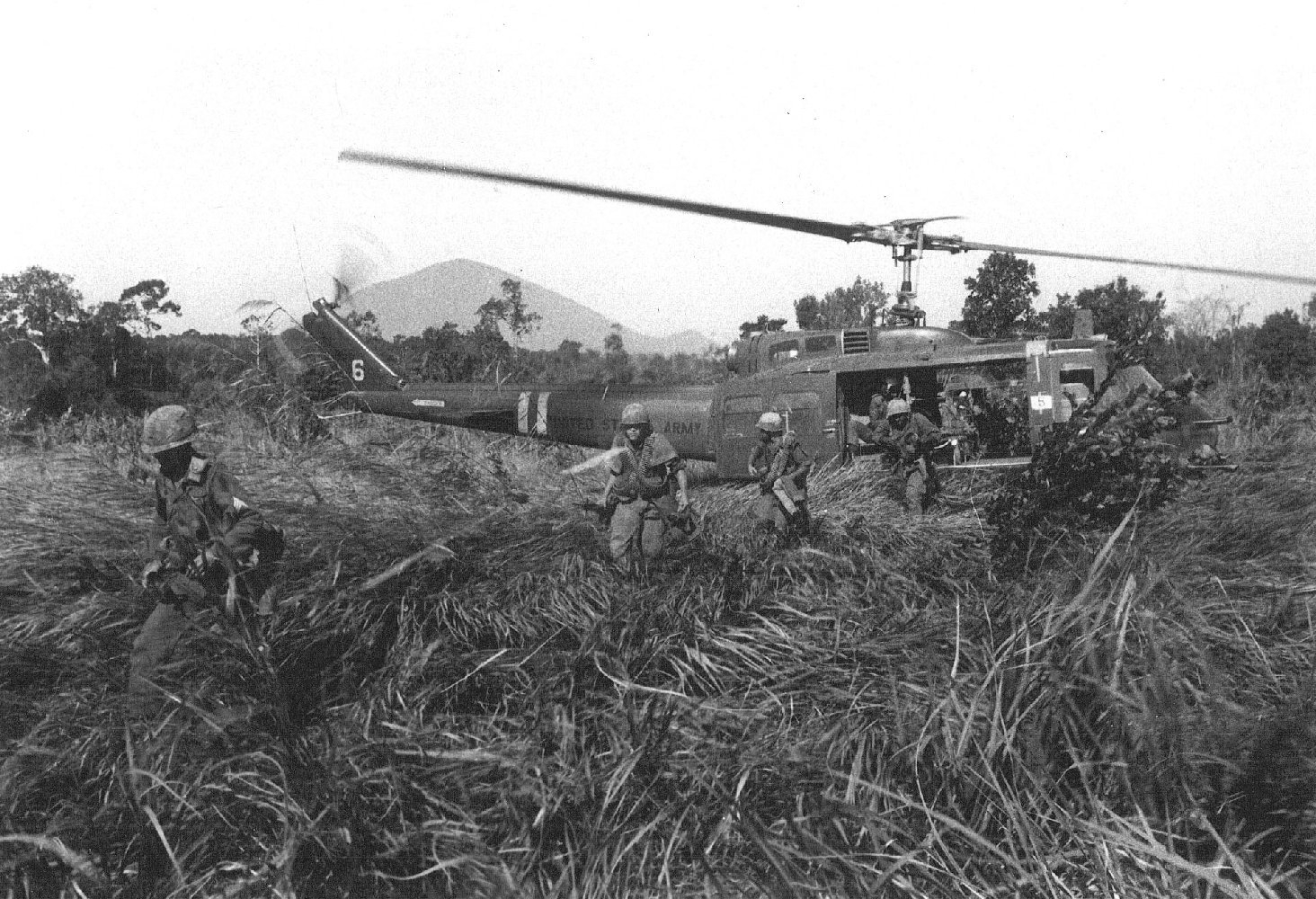
These are the exposures that belong to this era and to the operations that supported it, including operations that continued long after the war ended.

Vietnam veterans are usually surprised by how much of their file runs on regulations shared with other generations. It matters, because a shared regulation means a shared argument — and shared precedent.
A Vietnam file usually has two halves and only one of them gets written. The presumptive half is nearly automatic. The occupational half — what the ship, the shop, and the flight line did to you — has to be built from scratch, and it is often worth more in rating points than the presumption is.

For qualifying service, exposure is conceded and these diagnoses are presumed service-connected without any medical opinion linking them to service. The list at 38 CFR § 3.309(e) holds eighteen entries:

None of this is presumed. Each is granted when the file establishes the exposure, the diagnosis, and an opinion connecting the two — and each is rated separately from anything the herbicide list already covers.

A presumption is a floor, not a ceiling. These conditions are not on any list and are granted every day, because they grew out of something that is already service-connected.
One time limit is written into the herbicide list itself: early-onset peripheral neuropathy must have become manifest to a degree of 10 percent within one year of the last exposure. Later neuropathy is not excluded from compensation — it is argued as a complication of a service-connected disease, or directly on the facts, instead of under the presumption. For asbestos and other interstitial lung disease, the full breathing rating schedule is reproduced in plain language on our respiratory evidence page.
Prostate cancer is the most commonly granted presumptive condition in this era, and it is also the one where veterans are most often surprised by what happens after treatment. Here is what the schedule actually says — including the rule that governs the day VA proposes to take the 100 percent away.
38 CFR § 4.115b
Assigned for active malignancy. The 100 percent evaluation continues for six months following the cessation of surgery, X-ray therapy, antineoplastic chemotherapy, or other therapeutic procedure.
In plain terms: The six months run from the end of treatment, not from the diagnosis and not from the date of the rating decision. If treatment continued longer than VA assumed, the 100 percent should have continued with it.
A mandatory VA examination is required. If there has been no local recurrence or metastasis, the disability is rated on the residuals — voiding dysfunction or renal dysfunction, whichever is predominant.
In plain terms: This is the moment most files are lost. The residual rating is only as good as the examination that measures it, and a veteran who does not describe his pad use, his nighttime voiding, and his catheter use in specific numbers will be rated at zero for problems he lives with every day.
A reduction that lowers compensation must follow 38 CFR § 3.105(e): VA issues a rating proposing the reduction, states the facts and reasons, and gives you 60 days to submit additional evidence or request a predetermination hearing.
In plain terms: Read that word again. It is a proposal, and you are entitled to answer it. A letter proposing to reduce your rating is not a decision — it is a deadline.
Loss of use of a creative organ after prostate surgery or radiation is separately compensable as special monthly compensation under 38 CFR § 3.350, in addition to the schedular rating for the residuals. It is not automatic and it is very often never claimed.
38 CFR § 4.115a
Urine leakage requiring the use of an appliance, or the wearing of absorbent materials which must be changed more than four times per day.
Urine leakage requiring the wearing of absorbent materials which must be changed two to four times per day.
Urinary frequency with a daytime voiding interval of less than one hour, or awakening to void five or more times per night.
Obstructed voiding with urinary retention requiring intermittent or continuous catheterization.
Urine leakage requiring the wearing of absorbent materials which must be changed less than two times per day; or urinary frequency with a daytime voiding interval between one and two hours, or awakening to void three to four times per night.
Urinary frequency with a daytime voiding interval between two and three hours, or awakening to void two times per night; or marked obstructive symptomatology with any of the following: post-void residuals greater than 150 cc, uroflowmetry showing a markedly diminished peak flow rate, recurrent urinary tract infections secondary to obstruction, or stricture disease requiring periodic dilatation.
Voiding dysfunction is rated on whichever of the three areas — urine leakage, urinary frequency, or obstructed voiding — produces the highest evaluation. Only one of the three is paid, so the examination has to capture the worst one accurately. Count the pads. Count the nighttime trips. Bring the numbers in writing.
38 CFR § 4.117
Codes covered
Assigned with active disease or during a treatment phase. The 100 percent evaluation continues for six months following the cessation of therapy, after which a mandatory VA examination is required and the disability is rated on its residuals.
Residuals after a blood cancer are commonly rated as anemia, neuropathy from chemotherapy, bone pain, fatigue, or immune impairment — each under its own diagnostic code, each with its own criteria, and each combined rather than absorbed. A file that reports “in remission” and nothing else invites a zero.
Nothing here is a promise about your claim. The reason to read the criteria is simple: the rating is built from what the examination and the treatment records say about your function, in the schedule’s own vocabulary. When the records are silent, the rating is low — and the fix is a better record, not a louder argument.
Combine your ratingsThree doors, and the one you choose determines which regulation the rater applies. Choose deliberately.

Vietnam between January 9, 1962 and May 7, 1975, including inland waterways and offshore service within 12 nautical miles; Thailand bases through June 30, 1976; Laos, Cambodia, Guam, American Samoa, and Johnston Atoll within their listed windows; C-123 crews from 1969 to 1986. Inside this door, a listed disease is presumed.
What the file needs

Asbestos, solvents, fuels, lead, and noise are never presumed for this era. They are proven. Direct service connection under 38 CFR § 3.303(d) needs the exposure, the diagnosis, and an opinion — and it can be worth more than the presumption.
What the file needs

The most common under-rating in this era is a granted condition whose consequences were never claimed. Prostate cancer rated at zero after treatment while the veteran wears pads daily. Diabetes at 20 percent while the neuropathy and kidney disease sit unclaimed in the chart.
What the file needs
Order matters more than speed. Every step below is free, and the first one protects money you have not been awarded yet.
An Intent to File locks your effective date for one year. Everything you are later awarded is paid back to the date VA received that form, not the date you finished gathering evidence. It takes minutes and costs nothing.
One form can carry many conditions, but each one has to be named. "Breathing problems" is not a claim; asthma, chronic sinusitis, and chronic rhinitis are three claims with three sets of criteria, and each is rated on its own before the ratings are combined.
The Individual Longitudinal Exposure Record compiles what the government already knows about where you served and what was there. For exposure that is not on a presumptive list, ask for a Toxic Exposure Risk Activity determination under 38 U.S.C. § 1168 — that determination is what turns an unlisted exposure into a developed one.
Form 21-22a appoints an accredited agent or attorney; form 21-22 appoints a veterans service organization. Representation is never required. No one may lawfully charge you a fee to prepare or file an original claim.
A Supplemental Claim (20-0995) is for new and relevant evidence. Higher-Level Review (20-0996) is for a decision that got the existing evidence wrong and allows no new evidence. A Board appeal (10182) is for the law itself. Choosing the wrong lane can cost a year and, in the worst case, an effective date.
If you were denied before 2019 for Blue Water service, or before 2022 for Thailand, Guam, American Samoa, Johnston Atoll, Laos, or Cambodia, you were denied under a law that has since changed. That is exactly what a Supplemental Claim exists for. Filing an original claim is free, and no one may lawfully charge a fee to prepare or file one.

A free VA health examination for veterans with possible herbicide exposure. It is not a claim and it is not a compensation and pension examination — but it puts your exposure concern and a documented baseline of your health into the VA system, and a decades-old file usually has neither.
Ask the Environmental Health Coordinator at your VA medical center, or have your VA primary care team place the referral. If you do not know who the coordinator is at your facility, call MyVA411 at 800-698-2411, available 24 hours a day, seven days a week, and ask to be connected.
A registry exam is not a claim, and enrollment in a registry is not evidence of exposure. Do both: get the exam so your health is on the record, and file the claim so the effective date starts running.
Registry exams and exposure evaluations start with a clinician. Our doctor page has the words to use at the appointment, the direct phone number and VA email of the exposure coordinator at your own VA medical center, and every VA registry you can sign up for.

Vietnam-era herbicide service carries the widest family benefits of any era. Biological children with spina bifida and the children of women veterans with covered birth defects have their own dedicated benefit programs — benefits that are separate from, and do not require, the veteran's own claim to be granted first.
Both options are free · No obligation
Talking to a VA-accredited claims agent costs nothing either way. Pick the one that fits: get answers to your questions, or register to hire us to take on your claim.

Free information — just ask
You can ask Albert, our AI claims assistant, anything about exposure, evidence, or the claims process — he answers instantly. If you would rather have a direct, personal answer, send your question below and an accredited agent will come back to you. No cost, no obligation.

Ready to hire us? Register with us
For veterans who have decided they want us on their claim. Registering is free too, and it takes the registration form plus a signed VA Form 21-22a.
Until VA Form 21-22a is signed we cannot accept your claim, access your VA file, or do any work on your behalf. That is federal law, not firm policy.
What happens after you register
An accredited agent personally reviews every request — we’ll reach out within 48 hours.