
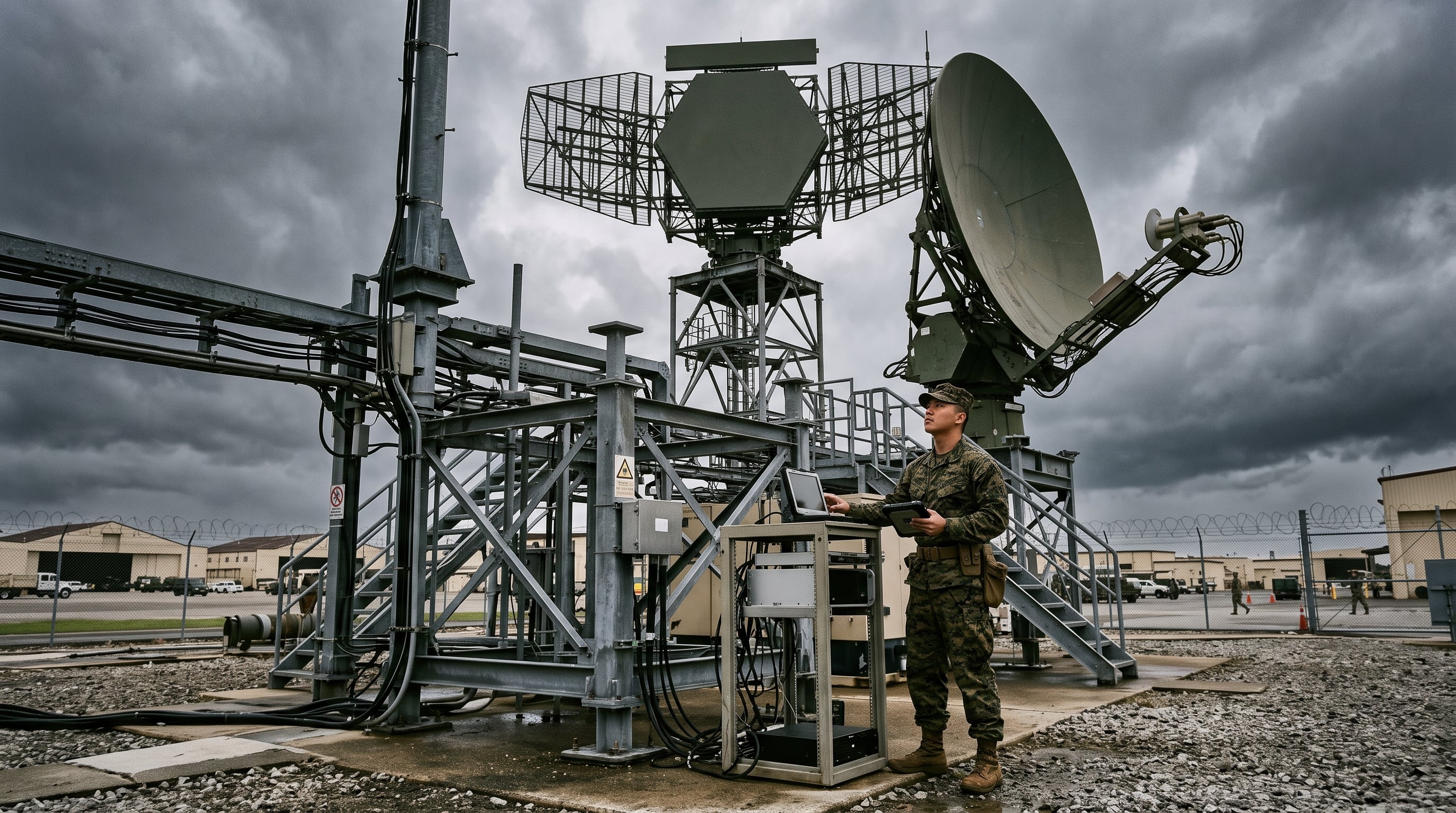
Radiation-risk activities
38 C.F.R. § 3.309(d) defines qualifying activities and listed diseases. § 3.311 provides dose-development procedures for radiogenic disease outside the strict presumption.
Cold War claims can involve atmospheric nuclear testing, Enewetak cleanup, Palomares or Thule response, Project 112/SHAD, chemical-agent training, calibration sources, fuels, solvents, and contaminated installations.
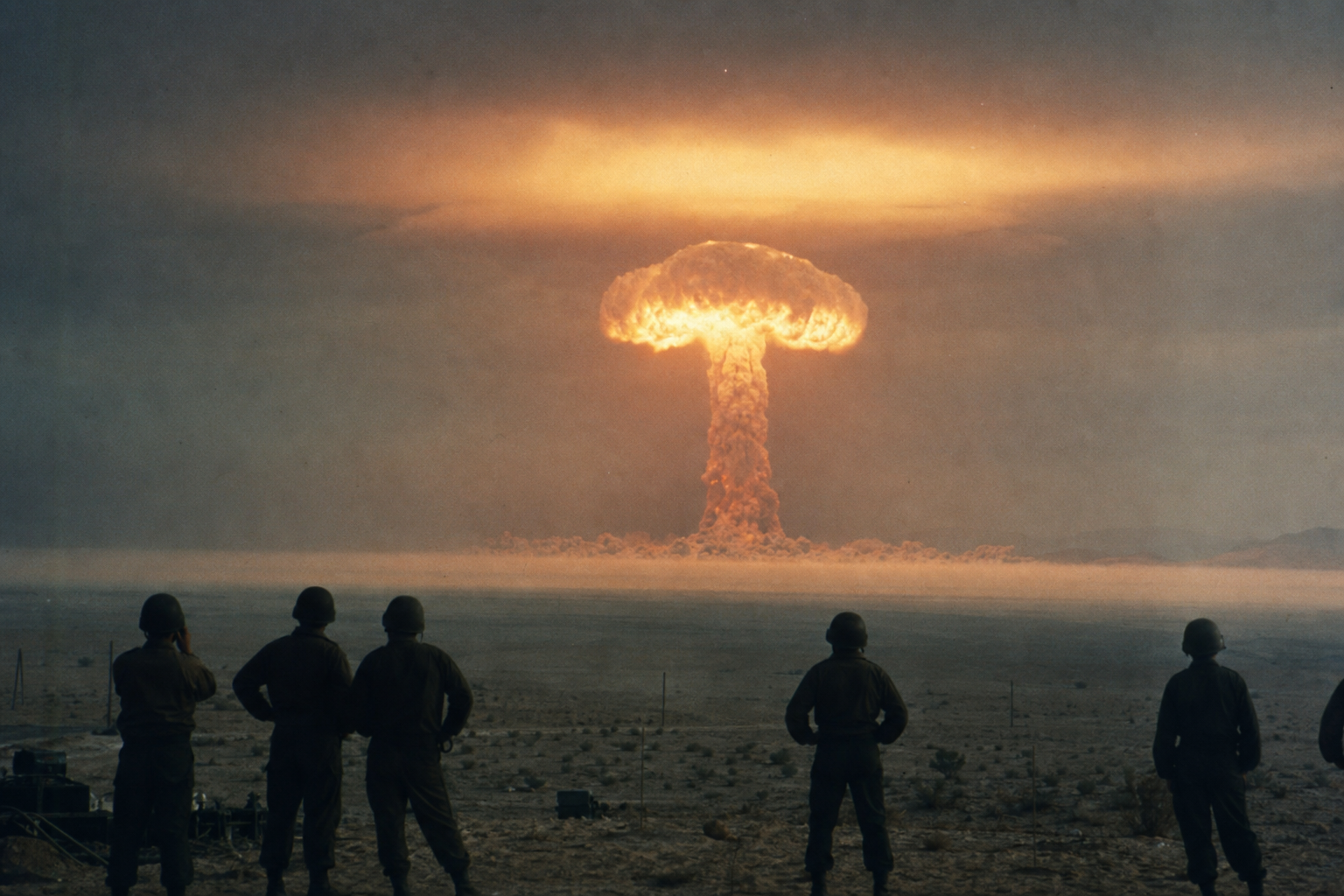
38 C.F.R. § 3.309(d) defines qualifying activities and listed diseases. § 3.311 provides dose-development procedures for radiogenic disease outside the strict presumption.

DoD conducted chemical and biological vulnerability tests from 1962–1974. Roughly 6,000 service members, primarily Army and Navy, participated.

Reported test agents included Coxiella burnetii, Francisella tularensis, SEB, sarin, VX, tabun, and soman; participation and agent must be verified.
VA’s general overview of toxic-exposure benefits and the PACT Act. Cold War service is the hardest exposure history to prove because most of it never happened in a combat theater and much of it was never written down as an exposure at all. Watch this for the framework, then build the record: the installation, the shop, the equipment, and the job you actually performed.
Source: U.S. Department of Veterans Affairs, official channel
These are the hardest exposure claims in the system, and not because the exposures were smaller. They are hard because the proof is classified, destroyed, or was never created in the first place. Project 112 and Project SHAD participants were not told what they were being tested with. Atmospheric nuclear test participation was recorded by unit and by operation, not by name. Dose records were reconstructed decades later from assumptions about where a man stood and what he was doing. And the July 1973 fire at the National Personnel Records Center destroyed roughly 80 percent of Army personnel records for service members discharged between November 1, 1912 and January 1, 1960 — the exact population that took part in the early tests.
The second problem is that “radiation” is one thing to a veteran and three separate things in law. 38 CFR § 3.309(d) is a strict presumption for a radiation-exposed veteran with a listed disease. 38 CFR § 3.311 is a development regulation: VA obtains a dose estimate and an opinion for a radiogenic disease. 38 CFR § 3.303(d) sits underneath both and asks only for evidence, a diagnosis, and an opinion. Project 112 and SHAD have no general presumption at all and are decided case by case. A claim that argues “radiation exposure” without naming its door gets denied on procedure rather than on merit, and the veteran is told he lost on the medicine when he never got to the medicine.
Two veterans of the same conflict rarely carry the same claim, and veterans of different conflicts often carry the same one. The first panel is what belongs to this era alone. The second is the layer this era shares with the rest of the site — and it is the layer that reopens old denials.
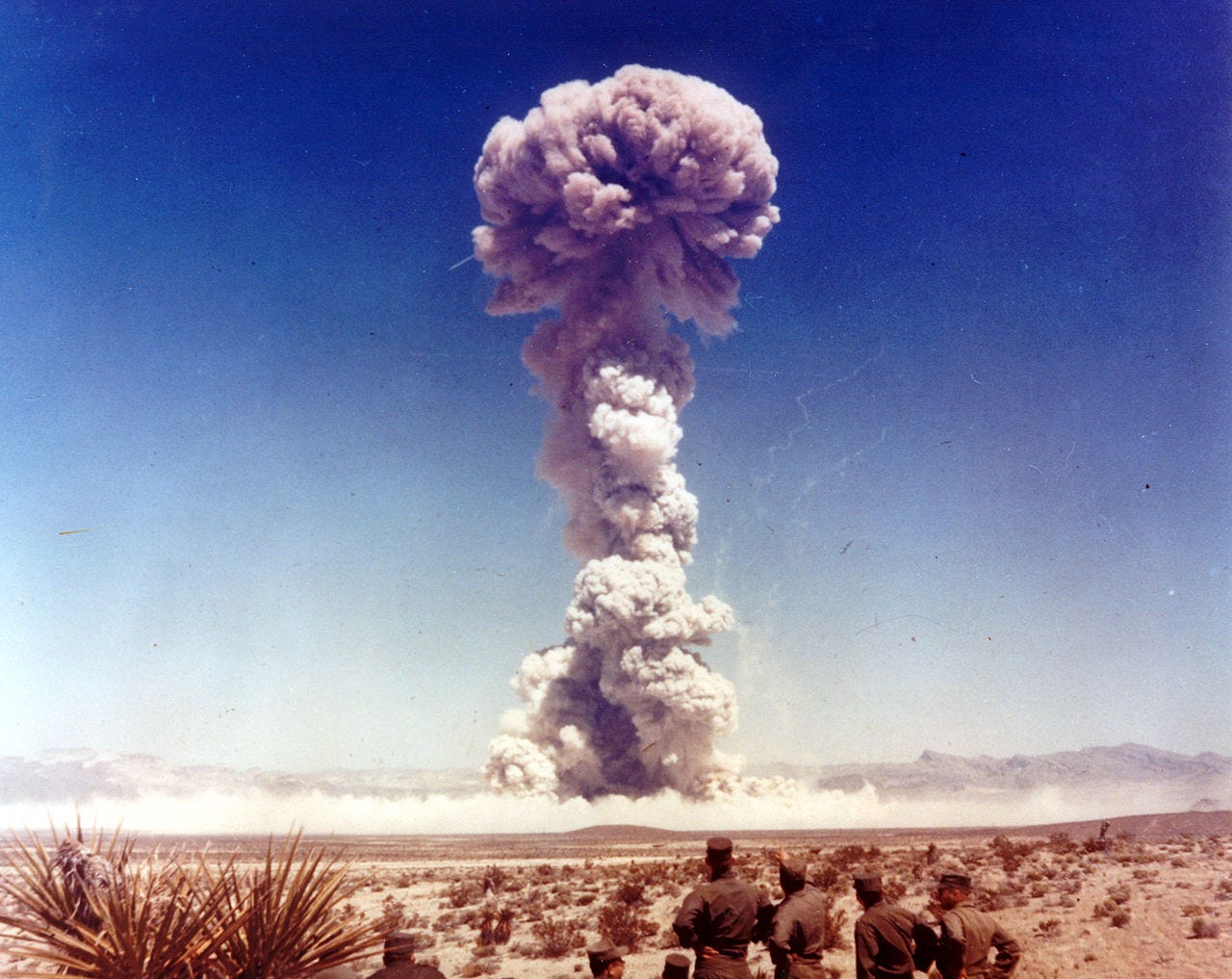
Every item here is a named program, operation, or site. Naming yours is what turns a vague radiation claim into a developed one.

The Cold War ran underneath all the other eras, which means a Cold War file often contains the same exposures a Vietnam or post-9/11 file does — and can use the same regulations.
Radiation claims live or die on which list your diagnosis appears on, because the two lists carry completely different burdens. One concedes causation outright. The other only opens a development process. Below are both lists, in full, plus the exposures that have no list at all.

Under 38 CFR § 3.309(d), if you took part in a qualifying radiation-risk activity and you are diagnosed with a disease on this list, service connection is presumed. No dose estimate and no medical opinion are required.
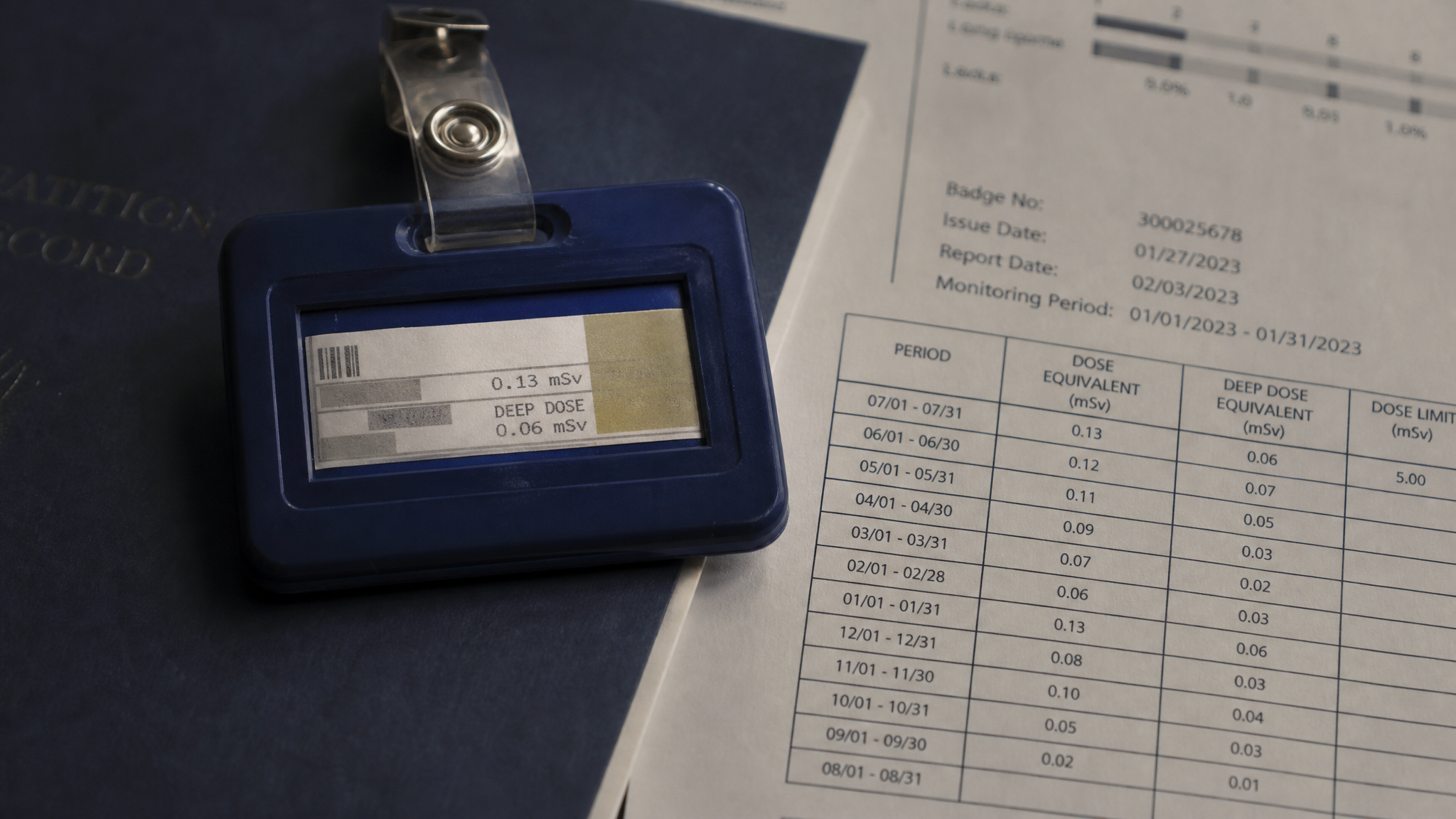
Under 38 CFR § 3.311, these diseases trigger a dose assessment and a medical opinion rather than an automatic grant. VA obtains a dose estimate — frequently with the Defense Threat Reduction Agency — and then decides whether the exposure caused the disease.
There is no presumption here. These claims are built from the participation record, the agent involved, and a medical opinion. VA and the Department of Defense have released participation rosters, and being named on one is powerful evidence.
One overlap is worth knowing. Chronic lymphocytic leukemia is excluded from both radiation lists — but it is presumptive for herbicide exposure as a chronic B-cell leukemia. A veteran with both a radiation-risk activity and qualifying herbicide exposure can claim under both regulations in the same claim, and should.
Cancer, kidney disease, and lung disease carry most of the rating weight in this era. The cancer rule below is the one that catches families off guard, because it does not last forever and the day it ends is a day with a deadline attached to it.
38 CFR §§ 4.97, 4.114, 4.115b, 4.117
CODES THAT CARRY THIS RULE
Assigned with active malignancy or during a treatment phase. The 100 percent evaluation continues for six months following the cessation of surgical, X-ray, antineoplastic chemotherapy, or other therapeutic procedure.
A mandatory VA examination is required. If there is no local recurrence or metastasis, the disability is then rated on its residuals.
In plain terms: Residuals are rated under whatever code fits what the cancer and its treatment left behind — kidney function, breathing capacity, voiding dysfunction, neuropathy from chemotherapy, or fatigue. Each is separately ratable, and each has to be measured by the examiner to count.
A reduction that lowers compensation must follow 38 CFR § 3.105(e): VA issues a rating proposing the reduction, states the facts and reasons for it, and gives you 60 days to submit additional evidence or request a predetermination hearing.
In plain terms: That letter is a proposal, not a final decision, and you are entitled to answer it. Sixty days is the whole window — losing it is how a 100 percent rating quietly becomes a 30 percent rating.
38 CFR § 4.115a
Requiring regular dialysis, or precluding more than sedentary activity from one of the following: persistent edema and albuminuria; or BUN more than 80mg%; or creatinine more than 8mg%; or markedly decreased function of the kidney or other organ systems, especially cardiovascular.
Persistent edema and albuminuria with BUN 40 to 80mg%, or creatinine 4 to 8mg%, or generalized poor health characterized by lethargy, weakness, anorexia, weight loss, or limitation of exertion.
Constant albuminuria with some edema, or definite decrease in kidney function, or hypertension at least 40 percent disabling under diagnostic code 7101.
Albumin constant or recurring with hyaline and granular casts or red blood cells, or transient or slight edema, or hypertension at least 10 percent disabling under diagnostic code 7101.
Albumin and casts with history of acute nephritis, or hypertension that is non-compensable under diagnostic code 7101.
Renal dysfunction and voiding dysfunction are rated on whichever produces the higher evaluation — not both. Look closely at the 60 percent and 30 percent tiers: each can be met through blood pressure alone. A veteran with kidney disease and hypertension may be sitting at 10 percent for the blood pressure when the same readings support a far higher rating under the kidney criteria.
38 CFR § 4.97, General Rating Formula
FEV-1 less than 40% predicted; or FEV-1/FVC less than 40%; or DLCO (SB) less than 40% predicted; or maximum exercise capacity less than 15 ml/kg/min oxygen consumption with cardiac or respiratory limitation; or cor pulmonale (right heart failure); or right ventricular hypertrophy; or pulmonary hypertension; or episodes of acute respiratory failure; or requires outpatient oxygen therapy.
FEV-1 of 40 to 55% predicted; or FEV-1/FVC of 40 to 55%; or DLCO (SB) of 40 to 55% predicted; or maximum oxygen consumption of 15 to 20 ml/kg/min.
FEV-1 of 56 to 70% predicted; or FEV-1/FVC of 56 to 70%; or DLCO (SB) of 56 to 65% predicted.
FEV-1 of 71 to 80% predicted; or FEV-1/FVC of 71 to 80%; or DLCO (SB) of 66 to 80% predicted.
Asbestos and solvent exposure at Cold War installations produces this disease pattern constantly, and it is never presumed for this era — it is proven. Note that the 100 percent tier can be met by the need for outpatient oxygen therapy alone, with no breathing-test number at all.
For scarring diseases of the lung tissue, including asbestosis and pulmonary fibrosis, the rating turns on forced vital capacity and diffusing capacity rather than on airflow — which is why a veteran with fibrosis can blow a normal number and still be badly impaired. The full breathing schedule is reproduced in plain language on our respiratory evidence page.
Combine your ratingsThree doors, and in this era the door you name is very nearly the whole claim. Radiation exposure argued without a regulation gets denied on procedure.
A radiation-exposed veteran — on-site test participation, Hiroshima or Nagasaki occupation, prisoner of war in Japan, the gaseous diffusion plants, or Amchitka Island — with a disease on the presumptive list. Exposure is conceded and causation is presumed.
What the file needs

A radiogenic disease with claimed radiation exposure. VA is required to obtain a dose estimate, frequently working with the Defense Threat Reduction Agency, and then to obtain an opinion. This is a process VA owes you, not a favor.
What the file needs

Project 112 and SHAD, Edgewood, Fort McClellan, Dugway, asbestos, solvents, PCBs, and contaminated installation water. No list, no dose threshold — evidence, a diagnosis, and an opinion under 38 CFR § 3.303(d).
What the file needs
Order matters more than speed. Every step below is free, and the first one protects money you have not been awarded yet.
An Intent to File locks your effective date for one year. Everything you are later awarded is paid back to the date VA received that form, not the date you finished gathering evidence. It takes minutes and costs nothing.
One form can carry many conditions, but each one has to be named. "Breathing problems" is not a claim; asthma, chronic sinusitis, and chronic rhinitis are three claims with three sets of criteria, and each is rated on its own before the ratings are combined.
The Individual Longitudinal Exposure Record compiles what the government already knows about where you served and what was there. For exposure that is not on a presumptive list, ask for a Toxic Exposure Risk Activity determination under 38 U.S.C. § 1168 — that determination is what turns an unlisted exposure into a developed one.
Form 21-22a appoints an accredited agent or attorney; form 21-22 appoints a veterans service organization. Representation is never required. No one may lawfully charge you a fee to prepare or file an original claim.
A Supplemental Claim (20-0995) is for new and relevant evidence. Higher-Level Review (20-0996) is for a decision that got the existing evidence wrong and allows no new evidence. A Board appeal (10182) is for the law itself. Choosing the wrong lane can cost a year and, in the worst case, an effective date.
If your records were lost in the 1973 St. Louis fire, that is not the end of the claim. Alternate records exist: unit morning reports, pay records, hospital admission ledgers, Surgeon General office extracts, and Defense Threat Reduction Agency test participation files. VA has a heightened duty to assist when service records are unavailable through no fault of the veteran, and to consider alternate evidence. Filing is free, and no one may lawfully charge a fee to prepare or file an original claim.

A free VA health examination for veterans with possible ionizing radiation exposure. It is not a claim and not a compensation and pension examination, but it creates the one thing most Cold War files lack entirely: a contemporaneous VA record that you reported this exposure and what your health looked like when you reported it.
Ask the Environmental Health Coordinator at your VA medical center, or contact VET-HOME, the Veterans Exposure Team — Health Outcomes Military Exposures. If you do not know who to ask, call MyVA411 at 800-698-2411, available 24 hours a day, seven days a week, and ask to be connected to the Environmental Health Coordinator at your facility.
A registry exam is not a claim and registry enrollment is not evidence of exposure. Get the exam so your health and your concern are documented, and file the claim so the effective date starts running — the two do different jobs.
Registry exams and exposure evaluations start with a clinician. Our doctor page has the words to use at the appointment, the direct phone number and VA email of the exposure coordinator at your own VA medical center, and every VA registry you can sign up for.

Cold War radiation and chemical-test claims are hard-won, but once a condition is service-connected the survivor and dependent benefits follow the same rules as every other era. Do not assume the herbicide birth-defect programs apply here — spina bifida coverage is tied to herbicide service, not radiation.
Both options are free · No obligation
Talking to a VA-accredited claims agent costs nothing either way. Pick the one that fits: get answers to your questions, or register to hire us to take on your claim.

Free information — just ask
You can ask Albert, our AI claims assistant, anything about exposure, evidence, or the claims process — he answers instantly. If you would rather have a direct, personal answer, send your question below and an accredited agent will come back to you. No cost, no obligation.

Ready to hire us? Register with us
For veterans who have decided they want us on their claim. Registering is free too, and it takes the registration form plus a signed VA Form 21-22a.
Until VA Form 21-22a is signed we cannot accept your claim, access your VA file, or do any work on your behalf. That is federal law, not firm policy.
What happens after you register
An accredited agent personally reviews every request — we’ll reach out within 48 hours.