What the record documents at Bagram Airfield
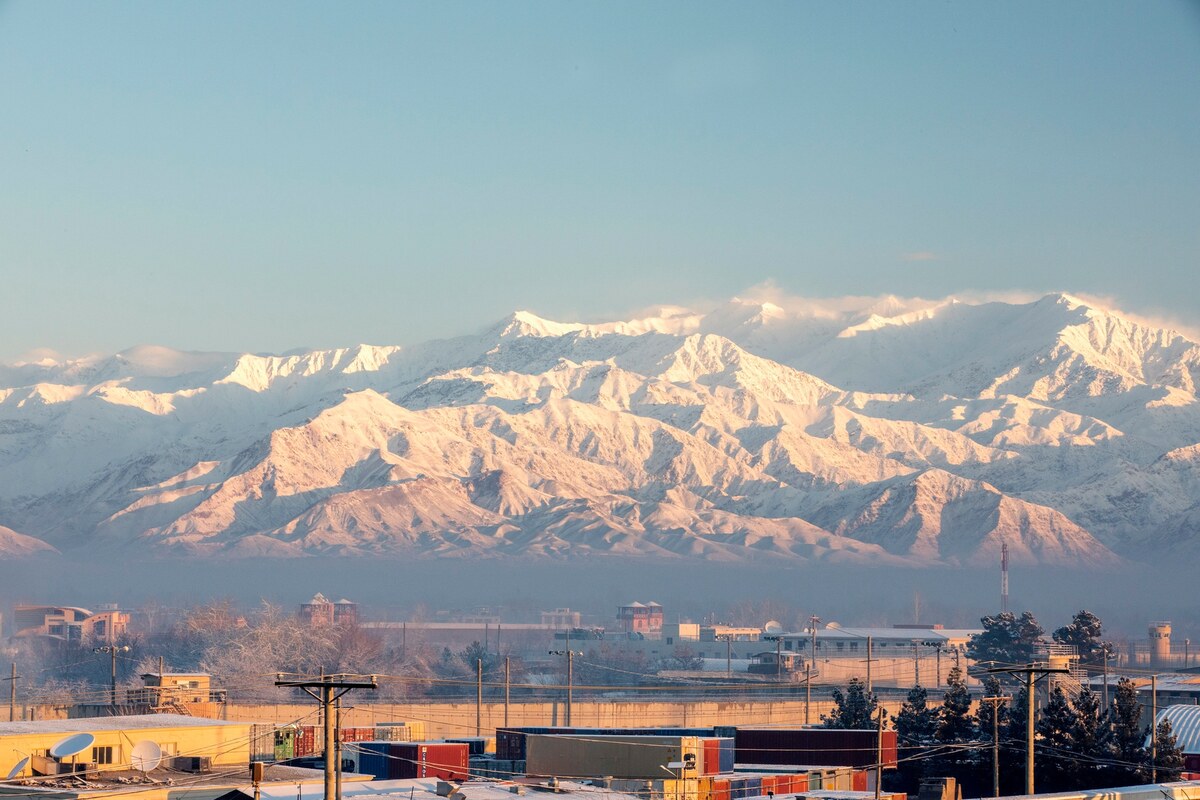
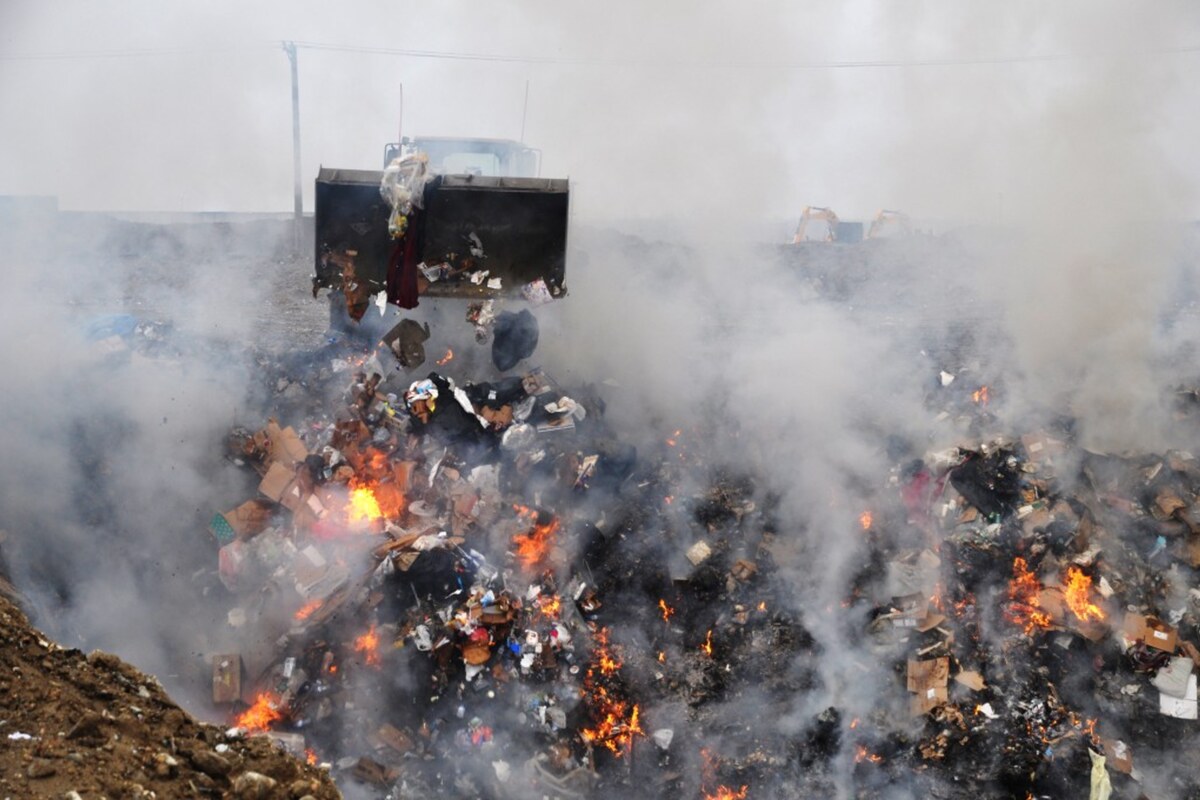
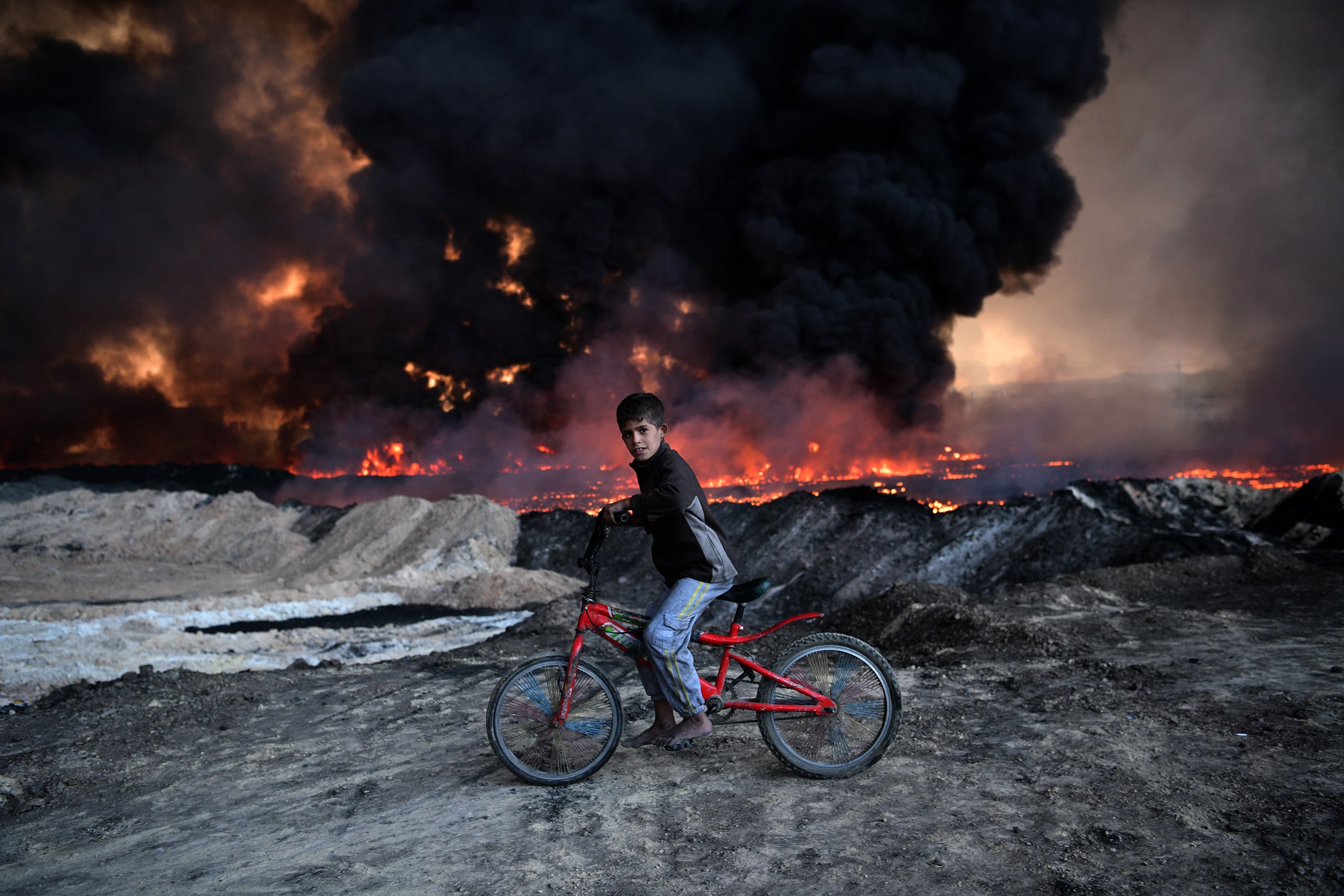
Bagram ran one of the largest open burn pits in theater. Reported volumes vary by year and source, so here are the figures that are actually documented: roughly were burned in pits in 2009, while by 2018 the base generated about 70 tons of waste a day, most of it sorted and incinerated. . Waste streams included plastics, medical waste, batteries, aerosol cans, tires, vehicle parts, construction debris and human waste. A 2011 Army memo about Bagram specifically warned that the smoke plume exposed personnel to contaminants and raised the risk of reduced lung function, chronic bronchitis, asthma and cardiovascular disease. Bagram . Regional dust also carried silica, heavy metals and microbial material.
Conditions tied to these contaminants
The presumptive respiratory illnesses under are asthma diagnosed after service, chronic bronchitis, COPD, chronic rhinitis, chronic sinusitis, constrictive or obliterative bronchiolitis, emphysema, granulomatous disease, interstitial lung disease, pleuritis, pulmonary fibrosis and sarcoidosis. The presumptive cancers cover brain and central nervous system, all respiratory cancers, any gastrointestinal cancer, genitourinary cancers, head and neck cancers, lymphoma of any type, hematologic cancers, acute and chronic leukemia, multiple myeloma, myelodysplastic syndromes, myelofibrosis, melanoma and other skin cancers. You still need the diagnosis — .
These are conditions the science and the regulations associate with these contaminants. If something on this list matches what you are living with, that is a reason to be seen by a clinician — not a reason to assume you have it.